
Your garage door is made up of more moving parts than most homeowners realize. Each one plays a specific role, and when even one starts to fail, the noise, resistance, and safety risks begin to pile up fast.
In Mesa, AZ, the desert heat and dry air push these components to wear out faster than in cooler climates. Staying on top of regular garage door service is one of the most effective ways to catch these failures before they compound into something more serious. Knowing which parts fail most often and what the early warning signs look like puts you ahead of the problem before it becomes an expensive repair.
Torsion Springs Carry the Most Load and Fail Without Much Warning
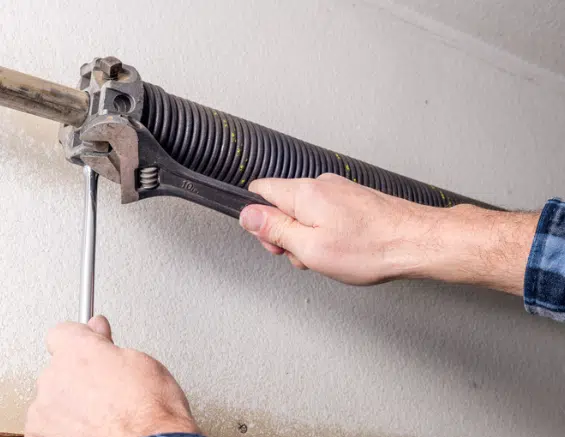
Torsion springs sit above the garage door and do the heavy lifting on every single cycle. They are under constant tension, and over time, that tension causes metal fatigue that leads to cracking, stretching, or a sudden full break. A broken torsion spring often makes the door impossible to open or causes it to slam shut without warning, making timely garage door repair the only responsible course of action when spring failure signs appear.
Warning Signs Your Torsion Spring Is Starting to Fail
- A loud bang from the garage, often mistaken for something falling
- The door feels extremely heavy when lifted manually
- Visible gaps or separation in the spring coil above the door
Quick tip: Torsion springs have a limited cycle life, usually around 10,000 cycles. If your door is more than 10 years old, have the springs inspected by a professional, even if they seem fine.
Spring failure is one of the most dangerous and costly garage door repairs when left too long. Understanding what causes that stress to build up over time is just as important as knowing what to inspect, and What Causes a Noisy Garage Door to Get Worse Over Time? covers exactly that in full detail.
Rollers Wear Down Quietly but Cause Damage Across the Whole System
Rollers are the small wheels that keep the door gliding smoothly along its track. As they wear down, they develop flat spots, cracks, or chips that create grinding and shaking during every cycle. That irregular movement puts stress on the track, hinges, and opener motor all at once.
Nylon rollers are quieter and last longer than plastic ones, but both eventually degrade. In Mesa, AZ, the heat accelerates that breakdown, especially for doors that are used multiple times a day. Adding roller inspections to a regular garage door maintenance schedule is one of the simplest ways to catch wear early before it spreads damage to surrounding components.
Signs Your Garage Door Rollers Are Past Their Prime
- Grinding or scraping sounds as the door travels up or down
- Visible wobbling or shaking in the door panels during operation
- Rollers that look cracked, chipped, or no longer round on the wheel surface
Quick tip: Most rollers last between seven and ten years with regular maintenance. Replacing them before they fully fail protects the track and opener from unnecessary wear.
Cables Keep the Door Balanced and Snap When Ignored Too Long
Garage door cables work alongside the springs to keep the door balanced and moving evenly on both sides. When a cable frays, loosens, or snaps, one side of the door drops lower than the other, creating a lopsided, jerky movement that puts strain on every connected component.
A fraying cable is a serious safety issue. If it snaps while the door is in motion, the door can drop suddenly and cause damage or injury. Cable repairs always require a trained professional since the cables are under significant tension.
How to Spot a Failing Garage Door Cable Before It Snaps
- Visible fraying, kinking, or unraveling along the cable length
- The door appears uneven or tilted when opening or closing
- Slack or loose cable that is not sitting properly on the drum
Quick tip: Never attempt to adjust or replace garage door cables on your own. The tension involved makes this one of the most hazardous DIY repairs on any garage door system.
Hinges Connect Every Panel and Crack Under Years of Stress
Hinges are the metal brackets that connect each panel of the garage door and allow it to bend as it travels along the curved track. Over time, the repeated flexing causes hinges to crack, loosen, or develop rust that weakens the metal. A cracked hinge creates a sharp squeaking noise and causes uneven movement across the door panels.
According to DASMA, routine inspection of hinges and other door hardware is a key part of keeping a garage door operating safely. Their garage door safety tips offer a clear checklist of what homeowners should look for during a standard inspection.
Signs Your Garage Door Hinges Need Attention Now
- Sharp squeaking or creaking sounds at specific points in the door’s travel
- Visible cracks, rust, or deformation on the hinge bracket
- Panels that appear to flex or buckle unevenly as the door moves
Quick tip: Hinges can often be lubricated to extend their life, but cracked or bent hinges should always be replaced. A damaged hinge can fail suddenly and cause panel misalignment or a safety hazard.
The Garage Door Opener Drive System Wears Out from the Inside
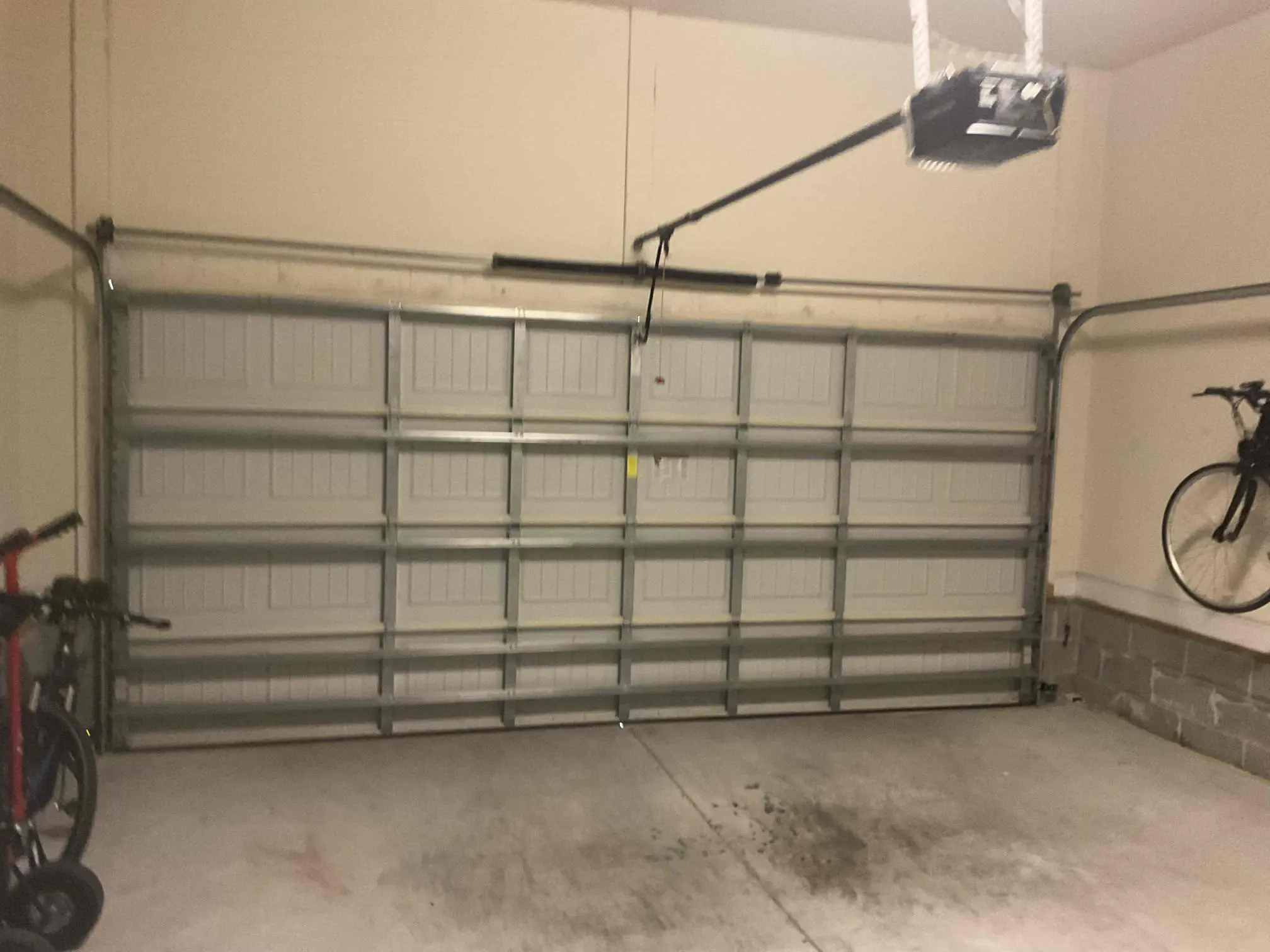
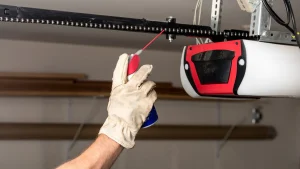
The opener drive, whether it is a chain, belt, or screw type, is responsible for moving the door on every cycle. As it wears out, it produces grinding, rattling, or slapping sounds and begins to move the door unevenly or sluggishly. An ignored drive system eventually burns out the opener motor entirely.
Chain drives are the most common and the noisiest when worn. Belt drives are quieter, but the belt itself can stretch or crack over time. Each drive type has its own failure pattern, but all of them get louder and slower as they near the end of their lifespan.
Red Flags That Your Opener Drive Is Failing
- Loud rattling or grinding from the opener unit on the ceiling
- The door moves slower than usual or hesitates mid-cycle
- The chain or belt visibly sags, vibrates excessively, or appears worn
Quick tip: A sagging chain or stretched belt can often be adjusted before full replacement is needed. Having it serviced at the first sign of noise keeps the motor from bearing extra load.
The Spruce breaks down common garage door problems and how they develop if you want a wider look at what each symptom typically points to.
Tracks Bend and Shift Over Time and Throw the Whole Door Off
The tracks guide the door from floor to ceiling on both sides, and any bend, gap, or shift in the track throws the entire door system off balance. Even a small bend forces the rollers to push through resistance on every cycle, which wears them out faster and puts stress on the opener motor.
Tracks can be knocked out of alignment by physical impact or simply shift over the years of vibration. Dirt and debris buildup inside the track channel adds friction that compounds the problem over time, especially in dusty environments like Mesa, AZ.
How to Tell Your Garage Door Track Needs Professional Attention
- Visible bends, dents, or gaps in the track on either side of the door
- The door scrapes, hesitates, or jerks as it passes a specific point
- Rollers that visibly leave the track or jump during operation
Quick tip: Do not try to bend a damaged track back into shape on your own. Improper adjustments can worsen the damage and create additional misalignment across the full system.
For a broader look at how these parts failing in combination leads to compounding costs, How Ignoring Garage Door Noise Costs You More Later explains the full financial picture of deferred garage door maintenance.
Weather Seals Fail Silently but Create Real Problems Over Time
The weather seal along the bottom and sides of the door is the last line of defense against outside air, dust, moisture, and pests. When it cracks, hardens, or pulls away from the door frame, the garage loses its protective barrier. In Mesa, AZ, this is especially important because dry heat causes rubber seals to deteriorate faster than in other climates.
Signs Your Garage Door Weather Seal Has Reached the End of Its Life
- Visible cracks, tears, or hardened sections along the bottom or side seals
- Daylight is visible around the edges of the closed door
- Increased dust, insects, or outside air is noticeably getting into the garage
Quick tip: Weather seal replacement is one of the most affordable maintenance tasks on a garage door. Replacing it as soon as wear is visible prevents more costly damage to the garage interior and stored belongings.
Knowing when to act on these smaller failing parts is just as critical as addressing the bigger mechanical ones, and When a Noisy Garage Door Means Serious Trouble Ahead walks you through the full set of warning signs that should never be brushed off.
Take Action Before These Parts Take Down Your Whole Door
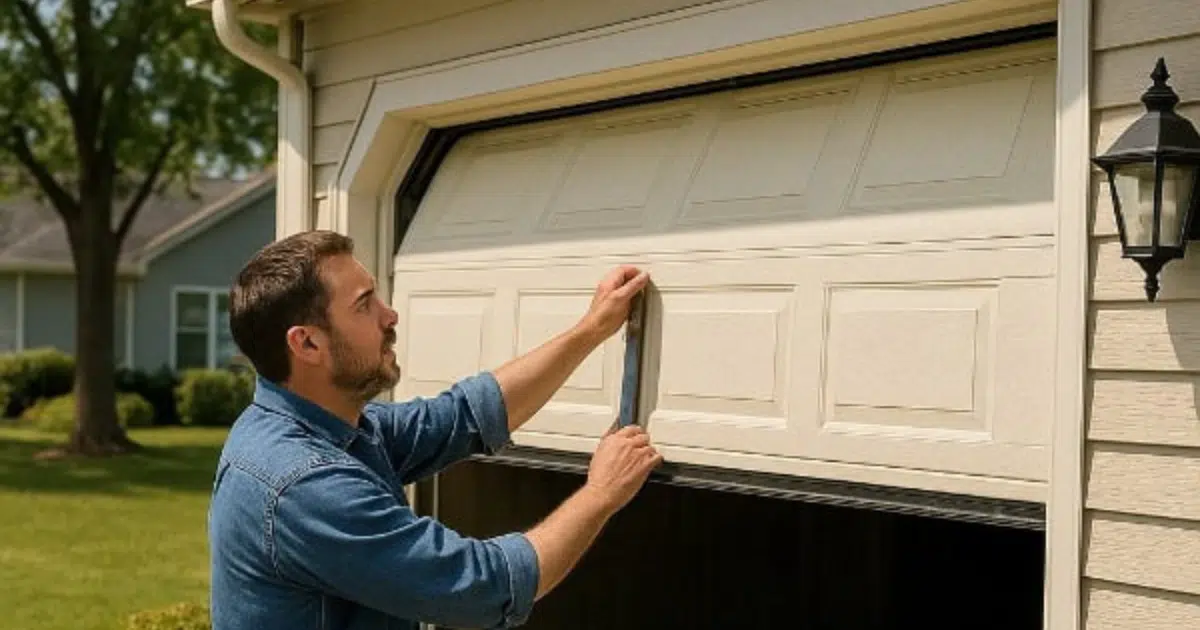
Garage door components do not fail all at once. They wear down gradually, and each failing part puts added stress on the ones around it. Catching any one of these seven parts early keeps the repair focused and the cost manageable. For Mesa, AZ homeowners, the climate makes regular inspections more important than in most other regions. A professional check twice a year is the smartest investment you can make in your garage door system’s long-term performance.
JT’s Overhead Doors is your go-to when one or more of these parts is giving you trouble. Our technicians are trained to inspect, diagnose, and repair every component on this list quickly and correctly. Contact us today or give us a call to schedule a full inspection and get your garage door back to running safely and quietly.