
Not every garage door noise is cause for panic. Some squeaks and rattles are minor and easy to address. But some sounds are telling you something is about to go seriously wrong, and ignoring them can put your safety, your property, and your wallet at real risk.
Knowing how to tell the difference is what matters most. For homeowners in Mesa, AZ, where heat and dust accelerate wear on every component, the window between a warning sign and a full breakdown is often shorter than expected. Having a trusted garage door service on call before that window closes can mean the difference between a quick repair and a full system replacement. This guide covers the specific sounds and situations that mean your garage door needs professional attention right away.
A Loud Bang from the Garage Almost Always Means a Broken Spring
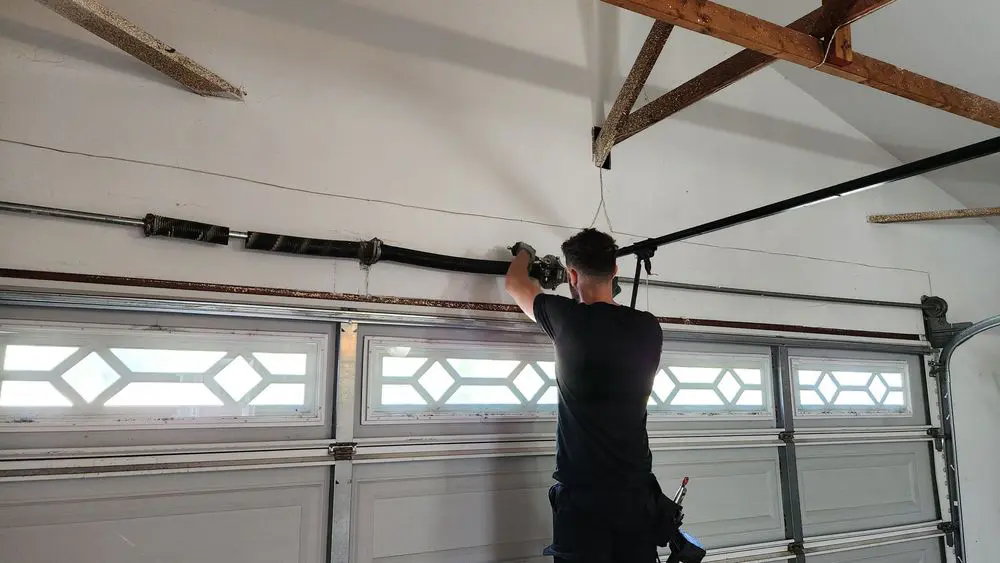
A sudden loud bang coming from the garage, especially when the door is not in use, is almost always a torsion or extension spring snapping under tension. Springs store enormous mechanical energy, and when they break, the release is loud and immediate. The door will usually feel extremely heavy or refuse to open at all after this happens, and scheduling a garage door repair as soon as possible is the only safe next step.
What to Do Immediately After Hearing a Loud Bang
- Stop using the door completely until a professional inspects it
- Do not attempt to manually force the door open or closed
- Check visually for a visible gap or separation in the spring coil above the door
Quick tip: Spring replacement is not a DIY repair. The tension involved in torsion springs is enough to cause serious injury without the right tools and training.
A broken spring makes the door unsafe to operate and puts dangerous stress on the opener motor if you try to force it. What Causes a Noisy Garage Door to Get Worse Over Time? explains how spring fatigue builds up long before that final snap, so you can catch it earlier next time.
Grinding That Gets Louder on Every Cycle Signals Roller or Track Damage
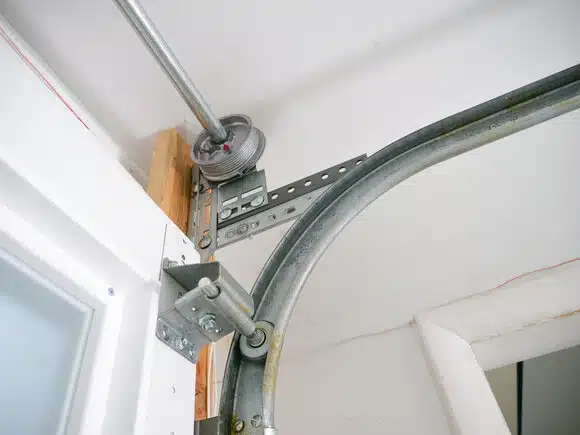
A grinding sound that grows louder or more frequent with each use is a clear sign that metal components are wearing against each other without a proper buffer. This usually points to rollers that are cracked or flat-spotted, dragging along a track, or a track that has developed grooves from prolonged roller damage.
The grinding compounds itself. Every cycle without repair digs those grooves deeper and damages the rollers further. In Mesa, AZ, where dust inside the track adds extra abrasion, this type of damage accelerates faster than most homeowners expect.
Signs the Grinding Has Already Caused Secondary Damage
- The door visibly shakes or wobbles as it travels along the track
- The grinding sound changes pitch or gets rougher at a specific point in the travel
- Roller wheels appear visibly worn, chipped, or no longer round when inspected
Quick tip: If the grinding started recently and is already noticeable on every cycle, the damage is progressing. Schedule a professional inspection before the track needs full replacement.
A Scraping Sound on One Side Points to Cable or Drum Failure
When the door makes a scraping or dragging sound concentrated on one side, that almost always means a cable has frayed, slipped off the drum, or snapped entirely. A door running with a failed cable on one side is unbalanced, which means it is putting an uneven load on every part of the system with every cycle.
An unbalanced door is both a mechanical and a safety problem. It can come off the track, drop suddenly, or cause the opener to burn out from overload. This is one situation where stopping use immediately is the right call.
How to Recognize a Cable or Drum Problem Before It Worsens
- The door appears visibly lower or tilted on one side when opening or closing
- A scraping or dragging sound that comes specifically from one side of the system
- Loose, slack, or visibly frayed cable hanging near the bottom bracket or drum
Quick tip: Cable and drum repairs always require a professional. Do not attempt to rewind or reattach a cable yourself since the spring tension connected to the drum makes this extremely dangerous.
Rhythmic Slapping or Rattling from the Opener Signals Drive Failure
A chain or belt that is slapping, rattling, or vibrating excessively during operation means the drive system is wearing out or has come out of proper tension. This kind of noise gets worse over time and eventually causes the opener motor to overheat and fail from the constant, irregular load.
Chain-drive systems are the most common source of this type of noise. Belt drives can also develop a slapping sound when the belt stretches beyond its designed tension range. Either way, the sound is a direct warning that the drive needs attention before the motor pays the price. This Old House offers a solid overview of how garage door systems are built and what makes them fail, if you want a clearer picture of how each drive type fits into the full system.
Warning Signs Your Opener Drive Is Past the Point of Adjustment
- The chain or belt visibly slaps against the rail during every cycle
- The opener takes noticeably longer to complete a full open or close
- The motor runs hot to the touch or shuts off before finishing the cycle
Quick tip: A loose chain can sometimes be adjusted back into spec before full replacement is needed. Have it checked as soon as the slapping starts rather than waiting for the motor to fail.
Popping or Creaking Near the Top of the Door Means Spring Stress
A popping or creaking sound specifically coming from above the door during operation is a sign that the torsion spring is under uneven stress, losing tension, or developing cracks along the coil. This sound is different from general door noise because it is localized to the spring bar area and tends to happen at the same point in the door’s travel every time.
How to Tell Spring Stress Noise Apart from General Door Noise
- The sound comes from the horizontal bar above the door, not from the panels or track
- It happens consistently at the same moment during opening or closing
- The door feels harder to lift manually than it did a few months ago
Quick tip: If the popping started recently and is already consistent, do not delay. A professional can assess the remaining life of the spring and replace it before it fails completely.
A spring that is creaking under stress can snap without further warning, and the consequences of that are severe. For a full breakdown of which specific parts produce these sounds as they fail, Failing Garage Door Parts You Should Never Ignore covers each one in detail.
Squealing That Comes Back Quickly After Lubrication Means Worn Parts
Light squeaking that goes away after lubrication is normal and easy to manage. But when the squeal comes back within a few days of lubricating or does not respond to lubrication at all, that is a sign the noise is coming from worn or damaged parts rather than dry ones. Lubrication cannot fix a cracked roller, a bent hinge, or a track that is out of alignment.
In Mesa, AZ, homeowners sometimes over-rely on lubricant as a fix because the dry climate means parts need it more often. But returning noise is a signal that something structural needs attention, not just a fresh coat of lubricant.
What Returning Noise After Lubrication Usually Indicates
- Rollers that are cracked or worn past the point where lubrication helps
- Hinges that are bent, cracked, or no longer moving on a clean pivot
- Track sections that have developed grooves or misalignment, causing constant friction
Quick tip: If you have lubricated the door twice within a short period and the noise keeps returning, stop lubricating and start inspecting. The problem is mechanical, not just dryness.
A Door That Reverses, Stops, or Struggles to Close Is a Safety Risk
A garage door that reverses before closing, stops mid-cycle without reason, or struggles to complete a full close is telling you the system is out of balance, the sensors are misaligned, or the opener is no longer able to handle the load. Any of these situations creates a real safety risk, especially in homes with children or pets. Most of these failures trace back to components that were never included in a regular garage door maintenance routine until the problem became impossible to ignore. ULSE outlines the automatic garage door safety standards homeowners should know to understand what a properly functioning door is supposed to do and when it is falling short.
Situations Where You Should Stop Using the Door Entirely
- The door reverses on its own before fully closing without any obstruction present
- The door stops mid-cycle consistently and requires multiple attempts to complete
- The door shudders, drops slightly, or makes a sharp noise at any point during travel
Quick tip: A door that will not close properly is a security risk as well as a mechanical one. Do not leave it in a stuck-open position overnight. Call a technician the same day.
Acting now avoids a full system failure. How Ignoring Garage Door Noise Costs You More Later walks through exactly how deferred maintenance leads to this kind of compounding breakdown.
Your Garage Door Is Telling You Something. Listen to It.
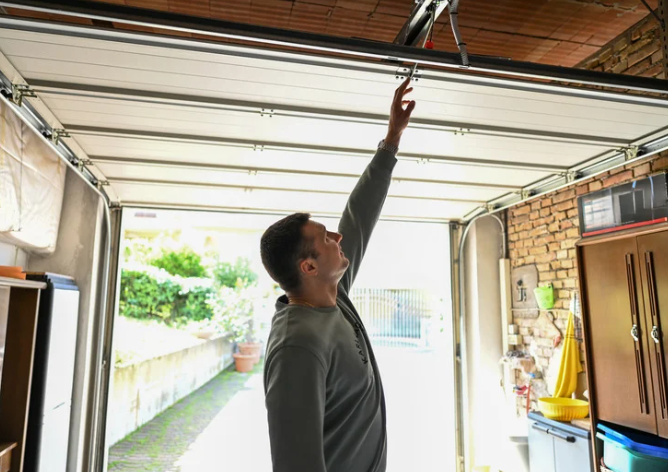
Garage door noise has a language of its own. Each sound points to a specific part under stress, and the longer that stress is ignored, the more damage it does to the system around it. In Mesa, AZ, acting on warning signs early is especially important because the climate shortens the window between a warning and a breakdown.
When your garage door is telling you something is wrong, JT’s Overhead Doors is ready to listen with you. Our experienced technicians know exactly what each sound means and how to address it before it becomes a serious repair. Contact us today or give us a call to schedule an inspection and get ahead of the problem while it is still a manageable one.