

If your Chamberlain garage door opener won’t close, it can be frustrating, especially in Mesa, AZ, where garage access isn’t just about convenience; it’s about security and protection from extreme heat. Problems can affect your wall control, remote, or even your garage door keypad, leaving you stuck outside or unable to secure your home properly.
As a garage door professional working in the East Valley, most closing issues are not random. They typically indicate a specific safety feature malfunction, mechanical imbalance, keypad or signal interruption, or an environmental factor influenced by the desert climate.
This guide walks you through the most common causes, what to check safely, and when professional service is the smarter move. It’s written clearly, without technical overload, so you can understand what’s happening with your system and restore safe, reliable operation.
Why a Chamberlain Garage Door Opener Won’t Close
Modern Chamberlain openers are designed with built-in safety systems. If something seems unsafe or out of balance, the opener will refuse to close.
Common causes include:
- Misaligned safety sensors
- Dirty or obstructed tracks
- Broken garage door springs
- Incorrect travel or force settings
- Door imbalance
- Electrical or logic board issues
- Heat-related motor stress (very common in Mesa)
Let’s go step by step.

Check the Safety Sensors First
This is the number one reason a garage door won’t close.
How Safety Sensors Work
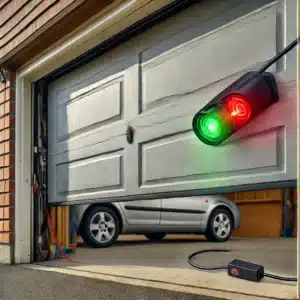
Safety sensors (also called photo eyes) sit near the bottom of both garage door tracks. They send an invisible beam across the opening. If that beam is blocked or misaligned, the door will reverse.
What to Look For
- One sensor light is blinking
- No light at all
- Sensors pointing slightly away from each other
- Dust, spider webs, or dirt on the lens
In Mesa, dust buildup happens fast. Even a thin layer of desert sand can block the infrared beam.
What You Can Safely Do
- Wipe lenses gently with a clean cloth
- Make sure both sensors face each other
- Remove visible obstructions
If the lights remain off after cleaning, the issue may involve wiring or sensor failure. At that point, a professional inspection is recommended.
For a deeper explanation of unexpected failures, read our related guide, “Why Does Chamberlain Garage Door Opener Won’t Close Suddenly?” where we break down hidden causes that many homeowners overlook.
Inspect the Tracks for Debris or Damage
Garage door tracks guide the rollers as the door moves up and down.
Why This Matters
If the rollers hit resistance, the opener senses extra pressure and reverses automatically.
Check For
- Small rocks or hardened dirt
- Leaves or trash buildup
- Bent track sections
- Loose mounting brackets
Mesa monsoon storms often blow debris into garages. I’ve seen small pebbles completely stop a door from closing.
If the track is bent, do not try to hammer it straight. Improper adjustment can cause larger alignment problems.
Professional track adjustment usually falls within an average repair range, depending on severity.
Check the Close Travel Limit Settings
Chamberlain garage door openers use travel limit settings to determine how far the door should move.
If the close limit is set incorrectly, the opener may think the door has hit the ground before it actually does.
Signs of a Travel Limit Issue
- The door closes most of the way, then reverses
- The door doesn’t seal fully at the bottom
- No grinding or loud noises
Extreme garage heat in Mesa can sometimes affect internal opener components over time, causing minor calibration shifts.
Limit adjustments should be handled carefully. Over-adjusting can create safety hazards or damage the bottom panel.
If you’re unsure, professional recalibration ensures safe operation.
For more insight into electrical-related causes, read our guide “Could Wiring Problems Lead to Chamberlain Garage Door Opener Won’t Close?” to understand how hidden wiring issues can interrupt proper closing.
Look for a Broken Garage Door Spring
Garage door springs carry most of the door’s weight. The opener only guides the movement.
Warning Signs of a Broken Spring
- A loud bang from the garage
- Visible gap in the torsion spring
- The door looks crooked when closing
- The door feels extremely heavy
Mesa’s extreme temperature swings can weaken springs faster than in milder climates.
Never attempt to adjust or replace springs yourself. They are under high tension and can cause serious injury.
Spring replacement typically falls within a moderate repair range, depending on door size and type.
For related structural concerns, read our article “Does Track Damage Affect Chamberlain Garage Door Opener Won’t Close?” to learn how track issues can also prevent proper door movement.
Test the Wall Control and Remote Separately
Sometimes the problem isn’t mechanical at all.
Try This Simple Test
- Use the wall-mounted control
- Replace remote batteries
- Reset the opener system
If the wall button works but the remote doesn’t, the issue may be:
- Weak batteries
- Signal interference
- Programming issue
If neither control works consistently, electrical wiring or logic board failure may be involved.
Check for Door Imbalance
Disconnect the opener using the emergency release cord.
Lift the door halfway manually.
What Should Happen
The door should stay in place.
If It Moves Up or Down on Its Own
The door is out of balance.
An unbalanced garage door puts strain on the opener and can prevent proper closing.
Balance issues almost always relate to spring tension and should be corrected by a trained technician.
Inspect the Bottom Seal and Weather Stripping
Mesa heat can dry out and warp rubber seals.
If the bottom seal folds under itself, the opener may detect resistance and reverse.
Check for:
- Cracked rubber
- Warped bottom panel
- Objects stuck at the threshold
Weather seal replacement generally falls within a lower to moderate service range.
Consider Heat-Related Motor Overload
In Mesa, garage temperatures can exceed 120°F.
Excessive heat can cause:
- Motor overheating
- Temporary shutdown
- Intermittent reversing
If the opener feels very hot, allow it to cool for 30 to 60 minutes.
Repeated overheating may signal internal wear or ventilation issues.
Watch for Logic Board or Electrical Issues
If everything mechanical checks out, the issue may be electronic.
Possible Signs
- Flashing opener lights
- Clicking without movement
- Inconsistent operation
- Random reversal
Circuit board issues require proper diagnostic tools. In many cases, this type of problem falls under professional garage door repair, especially when electrical components or internal opener parts are involved.
Professional evaluation ensures accurate testing without causing further damage and helps restore safe, reliable operation.
How to Prevent Garage Door Closing Problems in Mesa, AZ
Preventive maintenance is the best way to avoid unexpected failure.
Here’s what I recommend to homeowners in Mesa.
Monthly
- Wipe safety sensors
- Check tracks for sand buildup
- Listen for new noises
Every 3 to 6 Months
- Lubricate rollers and hinges
- Inspect weather seals
- Test door balance
Annually
- Schedule a professional garage door inspection
- Test spring tension
- Calibrate opener force settings
- Discuss timing for broken spring replacement if springs show signs of wear
Regular maintenance significantly reduces emergency breakdowns during peak summer heat and helps you plan ahead before a sudden spring failure occurs.

When Should You Call a Professional?
Call for service if:
- A spring is broken
- The door is crooked
- The opener motor smells burnt
- The breaker repeatedly trips
- The system continues reversing after basic checks
Garage doors weigh hundreds of pounds. Improper repairs can cause injury and additional damage.
A trained technician will test:
- Spring tension
- Track alignment
- Opener calibration
- Electrical components
In many cases, a full inspection also includes a garage door maintenance check to identify worn parts before they fail completely.
Professional diagnosis ensures safe, long-term operation and helps extend the life of your entire garage door system.
When Basic Troubleshooting Isn’t Enough
If your Chamberlain garage door opener won’t close, start with the basics:
- Check and clean safety sensors
- Clear track debris
- Test controls
- Inspect for spring damage
- Watch for heat-related issues
Mesa’s desert climate adds extra wear on garage door systems. Dust, heat, and seasonal storms all contribute to common closing problems.
Many issues are minor and easy to identify. Others signal mechanical wear that requires professional attention.
Your garage door is the largest moving system in your home. Keeping it properly maintained protects your safety, your property, and your daily routine.
If basic checks don’t solve the issue, a professional evaluation is the safest next step.
Expert Garage Door Diagnostics and Repair in Mesa
When homeowners in Mesa need reliable, honest service, many turn to JT’s Overhead Doors for experienced garage door repair and opener diagnostics. Our team understands how Arizona’s extreme heat and dust affect garage door systems and focuses on safe, long-term solutions rather than quick, temporary fixes. If your door won’t close properly, don’t wait for the problem to get worse. Contact us today or give us a call and schedule a professional inspection to restore safe, dependable operation.