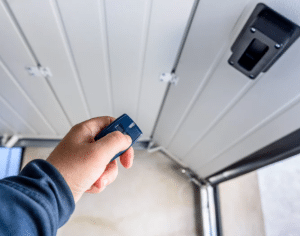


When a Chamberlain garage door opener won’t close, most homeowners assume the opener itself is failing. Some may even suspect the remote control or garage door keypad is not sending the correct signal. In reality, the issue is often mechanical, and one of the most overlooked causes is garage door track damage.
In Mesa, garage doors operate in extreme heat, heavy dust, and shifting soil conditions. These environmental factors quietly affect alignment and hardware over time. Even minor track damage can create enough resistance to trigger a safety reversal, even when the opener, remote, or keypad appears to be working properly.
This guide explains how track damage affects closing performance, what to safely check first, how to prevent the issue in Mesa’s desert climate, and when professional garage door repair becomes necessary.
How a Chamberlain Garage Door Opener Closes the Door
Chamberlain Group openers are designed with built-in safety systems. The motor does not simply force the door down. Instead, it monitors resistance as the door moves.
For proper closing, several components must work together:
- Opener motor and drive system
- Trolley and rail
- Torsion or extension springs
- Rollers
- Vertical and horizontal tracks
- Safety sensors
The tracks guide the rollers smoothly downward. If the track bends, shifts, or fills with debris, the rollers bind. When resistance increases beyond safe limits, the opener automatically reverses.
That reversal is often misinterpreted as an electrical failure when it is actually a mechanical alignment issue.
For a broader step-by-step troubleshooting guide, see Chamberlain Garage Door Opener Won’t Close? Try These Checks.
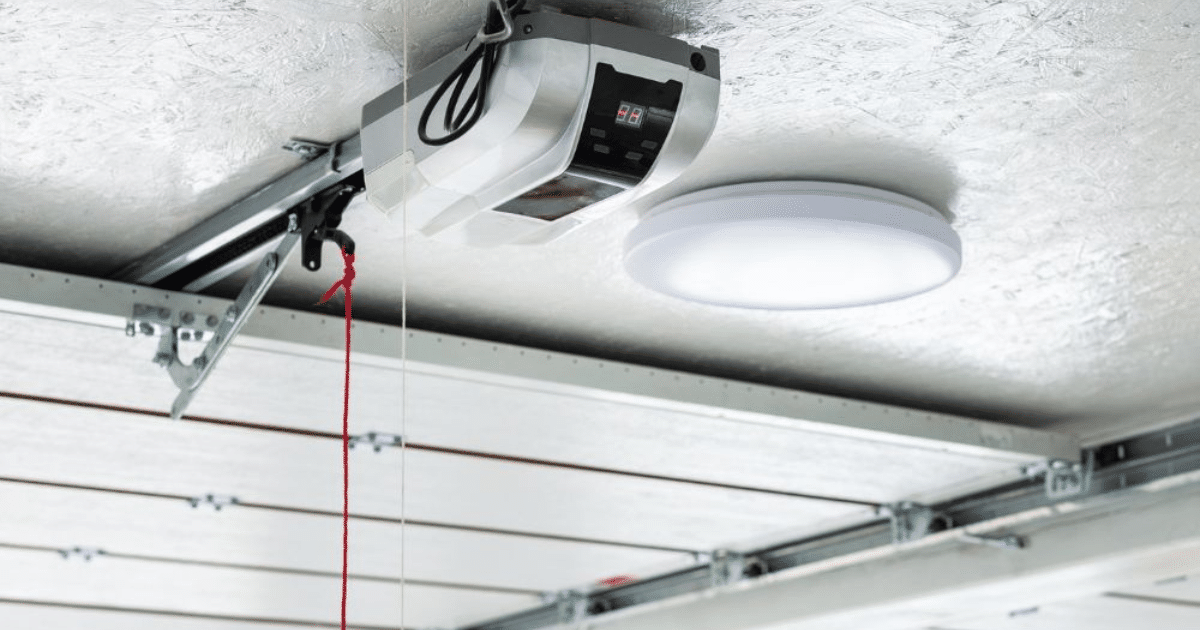
7 Ways Track Damage Can Prevent a Chamberlain Garage Door from Closing
1. Bent Tracks Create Roller Binding
Even a small dent from a vehicle bumper can narrow the track. When rollers pass over that area:
- Movement becomes jerky
- The motor strains
- The door reverses before sealing
In Mesa neighborhoods with tight garage spacing, minor impact damage is common.
2. Loose Mounting Brackets Shift Alignment
Metal expands in high heat. During summer months exceeding 110°F, track brackets may loosen slightly.
When this happens:
- The track pulls away from the wall
- Rollers lose proper alignment
- The door may appear uneven
The opener senses imbalance and stops the cycle.
3. Dust and Sand Buildup Inside Tracks
Mesa’s dust storms deposit fine debris into open garages.
Over time:
- Sand compacts inside track grooves
- Rollers drag instead of gliding
- Friction increases gradually
Unlike visible dents, debris buildup develops slowly and often goes unnoticed until closing problems begin.
4. Track Separation at Connection Points
Garage door tracks are assembled in sections. If seams separate:
- Rollers catch at the joint
- The door jerks mid-cycle
- The opener reverses
This is more common in older systems that have experienced years of vibration.
5. Rust and Corrosion Narrow the Track Space
Although Mesa is dry, garages experience moisture from:
- Monsoon humidity
- Car washing
- Irrigation overspray
Corrosion roughens the inner track surface. Rollers no longer glide smoothly, increasing closing resistance.
6. Vertical Track Misalignment Causes Uneven Pressure
If one vertical track shifts even slightly:
- The door tilts
- One side drags
- The bottom seal does not touch evenly
Modern Chamberlain systems are calibrated to detect uneven force. Misalignment triggers automatic reversal.
7. Track Damage Interferes With Sensor Alignment
When tracks shift, the door may not close evenly along the floor. This can indirectly affect safety sensor positioning.
Homeowners often adjust sensors repeatedly without realizing that the track is the root cause.
For a deeper explanation of other possible causes, read Why Does Chamberlain Garage Door Opener Won’t Close?
Signs Track Damage Is Causing the Problem
When a Chamberlain garage door opener won’t close, look for these warning signs:
- Grinding or scraping noises
- Jerky movement during closing
- Gaps between rollers and track
- Visible dents or bends
- Door reversing before touching ground
- Uneven bottom seal contact
If sensor lights are solid and the breaker has not tripped, track resistance becomes a likely cause.
If mechanical issues are ruled out, explore electrical causes in Could Wiring Problems Lead to Chamberlain Garage Door Opener Won’t Close?
What Mesa Homeowners Should Safely Check First
Before scheduling professional garage door repair, safe visual checks include:
- Look down the vertical tracks for dents or bends
- Check for heavy dust or compacted debris
- Inspect mounting brackets for visible looseness
- Confirm rollers remain fully seated inside the track
- Make sure nothing physically blocks the path
Do not loosen track bolts or attempt realignment. Tracks operate under spring tension, and improper adjustment can cause injury.
Why Mesa’s Climate Increases Track Problems
Living in Mesa introduces environmental stress factors that homeowners in cooler climates rarely experience:
- Extreme heat expansion
- Rapid temperature swings
- Dust storms
- Expansive soil movement
Metal fatigue develops faster in high heat. Soil shifting can subtly move garage framing, which affects track alignment over time.
These regional factors make preventative garage door maintenance especially important in Mesa.
5 Ways to Prevent Track Damage in Mesa
1. Schedule Annual Garage Door Maintenance
Professional inspections identify minor misalignment before it leads to full failure.
2. Clean Tracks Every Few Months
Use a dry cloth or soft brush. Avoid heavy lubrication inside tracks because oil attracts dust.
3. Inspect After Dust Storms
After major monsoon activity, check for sand accumulation.
4. Listen for New Noises
Unusual grinding or popping sounds often signal early resistance.
5. Address Minor Alignment Issues Early
Small adjustments prevent larger structural problems later.
Routine garage door maintenance significantly reduces emergency breakdowns during peak summer heat.
When Professional Garage Door Repair Is Necessary
Call for professional service if:
- The track is visibly bent
- The door comes off the track
- Multiple rollers are misaligned
- The door appears crooked
- The opener strains loudly
Track realignment requires precise leveling and proper torque. Incorrect adjustments can create a dangerous door imbalance.
In Mesa, average track repair typically falls within a moderate service cost range, depending on severity. Full section replacement increases overall cost.

Could It Be a Spring Issue Instead?
Sometimes symptoms overlap. A weak or broken spring places additional weight on the opener and can mimic track-related problems.
Signs of spring problems include:
- The door feels unusually heavy
- Door slams shut
- Visible gap in the torsion spring
If a spring is broken, broken spring replacement must occur before addressing track alignment. Tracks alone cannot compensate for imbalance. In many cases, professional garage door repair is necessary to properly diagnose whether the root issue is spring tension, track misalignment, or a combination of both.
Is It Safe to Keep Using the Opener?
Continuing to operate a system with track damage can lead to:
- Roller wear
- Bent hinges
- Stripped gears
- Logic board strain
- Motor overheating
- Increased stress on springs may lead to broken spring replacement
When the door is forced to move through misaligned tracks, the added strain affects the entire system — especially the spring assembly. Early repair prevents additional damage, protects critical components, and reduces long-term repair costs.
When It’s Not Track Damage
If tracks appear straight and clean, other causes may include:
- Safety sensor misalignment
- Wiring problems
- Opener force setting calibration
- Circuit board malfunction
- Lack of routine garage door maintenance
In many Mesa homes, neglected garage door maintenance leads to gradual wear that affects multiple components at once. Regular inspections help identify minor issues before they turn into larger mechanical or electrical failures. Accurate diagnosis ensures the correct solution and prevents unnecessary repairs.
Why Proper Track Alignment Is Critical for Safe Closing
Track damage absolutely can affect a Chamberlain garage door opener that won’t close. While the opener often receives blame, mechanical alignment plays a critical role in safe and smooth operation.
Mesa’s desert heat, dust, and soil movement accelerate wear patterns that may not appear elsewhere. Routine inspection, seasonal cleaning, and timely garage door repair help maintain reliable performance year-round.
Addressing small alignment issues early prevents larger mechanical failures and keeps your garage door operating safely in Arizona’s demanding climate.
Reliable Track Alignment and Garage Door Repair in Mesa
For homeowners who want expert evaluation and long-term reliability, JT’s Overhead Doors provides professional garage door inspections, track alignment services, and dependable repairs tailored to Mesa’s harsh desert conditions. If your Chamberlain garage door opener won’t close or you suspect track damage, contact us today or give us a call to restore safe and smooth operation.