

Garage doors do more than just let you in and out. They affect your home’s security, daily convenience, and how good it looks from the street. If you’re wondering how many years does a garage door last? This complete guide explains everything that impacts lifespan. You’ll also learn how to keep your garage door working better for longer.

Many homeowners overlook regular maintenance until something breaks. But knowing what shortens a garage door’s life can help you avoid big repairs and save money. Whether you are dealing with noisy springs or worn panels, this guide will help you protect your door. Keep reading to find out what you can do to make it last.
Average Lifespan of a Garage Door
When thinking about garage door replacements, it helps to ask, “How many years does a garage door last?” With the proper care, most last decades.
The average garage door lifespan ranges from 15 to 30 years, depending on the garage door materials, daily use, climate conditions, and maintenance.
Steel Garage Doors
Steel garage doors offer strong durability and can last 20 to 30 years with regular garage door maintenance, like oiling parts and cleaning surface rust or debris.
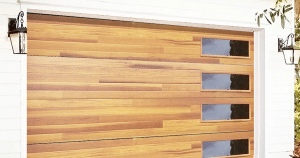
Wood Garage Doors

Wood garage doors bring a natural charm and last about 15 to 20 years, but moisture, heat, and sunlight can cause cracking, warping, or early wear over time.
Aluminum Garage Doors
Aluminum garage doors usually last 20 to 25 years and handle rust well, but they can dent easily in hailstorms or get damaged by intense wind pressure.
Composite Garage Doors
Composite garage doors are easy to maintain and can handle tough weather. They last 25 to 30 years, withstand summer heat, and withstand winter freezes well.
Routine garage door maintenance helps your system last longer and work better year-round. Choosing the right material for your climate prevents damage and extends your garage door’s lifespan.
Factors Affecting Garage Door Lifespan
Knowing what affects garage door lifespan helps you avoid damage, lower repair bills, and get more years out of your system. Things like material type, daily use, weather, and garage door maintenance play a significant role.
Material Type
The material directly impacts durability.
- Steel doors are sturdy and long-lasting but may rust if untreated.
- Wood doors are beautiful but need regular sealing or staining.
- Aluminum doors resist rust but can dent easily.
- Fiberglass and composite doors are strong and don’t need a lot of maintenance.
Usage Frequency
Garage doors are designed to handle a specific number of open-and-close cycles.
- Average rating: 10,000 to 20,000 cycles.
- Daily use: Using the door 4 times daily wears it out faster.
The more it moves, the more wear it takes, especially on the springs and rollers.
Environmental Conditions
Hot sun, salty air, and winter snow all wear down parts over time.
- Coastal areas might see faster rusting.
- Colder climates may strain the opener or springs.
- Direct sun fades and weakens paint or finish.
Maintenance Practices
Routine care is key to longevity. A garage door that’s taken care of will last longer than one that’s not.
- Lubricate moving parts monthly.
- Tighten loose bolts and brackets.
- Clear out the tracks and inspect the springs.
Doing these small things can help your garage door last many years.
Lifespan of Garage Door Components
Your garage door may look fine outside, but inside parts wear down faster with daily use. Knowing how long they last helps you avoid surprise repairs.
| Component | Lifespan | Common Problems | Maintenance Tips |
| Torsion Springs | 15,000–20,000 cycles (7–10 years) | The door feels heavy, loud sounds, sudden failure | Check the balance yearly, and replace both springs together |
| Extension Springs | Around 10,000 cycles (7–10 years) | Jerky movement, uneven lifting | Replace when stretched or worn and inspect each season. |
| Garage Door Openers | 10–15 years | Loud motor, delays, and the door stops halfway | Keep sensors clean, tighten chains, and check response time. |
| Nylon Rollers | 10–15 years | Noisy rolling, rough door travel | Add oil two times a year and get new parts if they look cracked or worn out. |
| Steel Rollers | 15–20 years | Rust, grinding noise, stiff motion | Oil regularly and wipe clean to prevent buildup. |
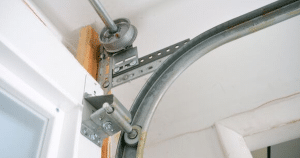
| Tracks | Varies based on upkeep | Doorsticks, shake or veer off-track | Clean monthly, realign if bent or out of place. |
Sticking to regular garage door maintenance helps each part last longer and keeps your door running smoothly. A little care now saves big repair bills later.
Signs Your Garage Door May Need Replacement
If your garage door is acting up, it might be more than just wear and tear. Catching early signs helps you avoid expensive breakdowns later on.
Grinding or Squeaking Noises
Loud, grinding sounds or squeaks usually mean worn rollers or loose parts. Ignoring this noise could lead to bigger garage door issues later.
Shaky or Heavy Door
A door that shakes or feels heavier than usual may have bad springs or a failing opener, which affects garage door safety and function.
Rust or Damaged Panels
Rust, sagging, or cracked panels weaken your garage door’s structure and insulation. These signs suggest getting a new one might be a good idea.
Rising Energy Bills
A poorly insulated garage door might result in higher heating or cooling costs. Air leaks around the frame reduce energy efficiency year-round.
Opener or Remote Delays
If your remote or wall switch responds slowly, it could mean the opener is wearing out. Upgrading ensures smoother, safer performance.
Repair Costs are Too High
If the repair estimate is over half the price of a new garage door, replacing it is usually the better long-term solution.
Watching out for these signs can help you make a smart call before things get worse. A new garage door adds value to your home while keeping your space more comfortable, secure, and easy to use daily.
Tips to Extend Your Garage Door’s Lifespan
Simple care can help your garage door last up to 30 years. These small maintenance tasks keep it safe, quiet, and running smoothly year-round.
1. Lubricate Moving Parts
Apply lubricant to springs, hinges, and rollers every few months. This reduces friction, prevents wear, and keeps your garage door opening and closing smoothly.
2. Inspect and Replace Weather Seals
Look at the seals on the bottom and sides to see any cracks or spaces. Replacing worn seals helps improve energy efficiency and protects the garage from moisture or pests.
3. Wash the Door’s Surface
Use mild soap and water to wash the garage door twice or thrice a year. Cleaning helps stop rust, dirt, and damage from weather.
4. Tighten Loose Hardware

Look over the bolts, screws, and brackets on the door and track, and tighten them if needed. Loose parts can make the door shake or break early.
5. Schedule a Yearly Tune-Up
Schedule a garage door checkup with a pro once a year. They look at all the parts, fix small issues, and help you avoid considerable repair costs.
Sticking to these simple garage door maintenance habits saves you from expensive surprises. A few minutes now can add years to your garage door’s life.
Cost Considerations for Garage Door Replacement
Knowing the costs of a new garage door can help you choose wisely. Prices vary based on material, style, and extra features.
| Type or Feature | Estimated Cost | What Affects Price | Extra Considerations |
| Steel Door | $800–$1,500 installed | Basic design, low upkeep | Budget-friendly and durable |
| Wood Door | $2,000–$4,000+ | Custom size, finishes | High maintenance, high curb appeal |
| Insulation Upgrade | Add $200–$600 | R-value, panel thickness | Saves energy, reduces outside noise |
| Glass Panels/Windows | Add $300–$800 | Glass type, design style | Stylish but needs regular cleaning |
| Smart Opener | $200–$500+ | Wi-Fi, battery backup | Adds convenience and better security |
| Labor & Fees | $150–$500 | Haul-away, electrical setup | Varies by job size and local rates |
Replacing a garage door is not cheap but boosts safety, style, and efficiency. Compare options to find the best fit for your home and budget.
Frequently Asked Questions
What shortens the life of a garage door?
Poor maintenance, extreme weather, and frequent use can shorten garage door lifespans. Skipping tune-ups, letting dirt build up, or ignoring minor issues can lead to early wear on parts like springs, rollers, and tracks over time.
What type of garage door lasts the longest?
Steel and composite garage doors usually last the longest, often staying in good shape for 20 to 30 years with proper care. These durable garage door materials resist rust, warping, and damage, especially when paired with proper garage door maintenance and yearly inspections.
Can insulation help a garage door last longer?
Yes, insulation helps protect garage doors from temperature swings and moisture. Well-insulated garage doors are less likely to warp, crack, or rust, making insulation an essential factor in garage door durability and long-term performance.
What maintenance tasks can I do myself?
You can lubricate rollers and springs, tighten hardware, clean the door, and inspect weather seals. These garage door maintenance tasks prevent damage, reduce noise, and help your system last longer without needing constant professional repairs.
Conclusion
How many years does a garage door last? It depends on the material, how often you use it, and how well you care for it. If you take care of it and make a few smart upgrades, your garage door can last as long as 30 years. That means fewer breakdowns, better safety, and more value for your home.
If your door starts making noise, shakes when opening, or takes longer to respond, it’s time to take a closer look. JT’s Overhead Doors offers trusted and fast garage door repair in Mesa, AZ. We help homeowners spot small problems early and keep their doors working like new ones for longer.
You do not have to wait until your garage door completely breaks down. Call JT’s Overhead Doors today for friendly, reliable service that fits your schedule and budget. From simple fixes to complete inspections, we are here to help you keep your garage door safe, smooth, and ready every day.
End Note
Discover top-rated garage door service with JT’s Overhead Doors. We handle everything from garage door repair and maintenance to broken spring replacement and full garage door service. Visit our About Us page to learn who we are and why local homeowners trust us with their garage door needs.
We offer a full range of services to fit your home and budget. You can pick custom garage doors, including tough ones from Safeway, and smart openers like LiftMaster that make opening and closing easier. Browse our gallery to see our work, catch up on our blog posts for tips, and grab savings from our coupons to save on your next service.
We proudly serve homes across all our service areas. Follow us on Instagram and Facebook for more updates, deals, and home tips. Ready to get started? Visit our Contact Us page to book your service or request a free estimate. At JT’s Overhead Doors, we bring experience, value, and care to every garage door we touch.
JT’s Overhead Doors
2449 E Lindrick Dr, Gilbert, AZ 85298, United States
480-662-3315