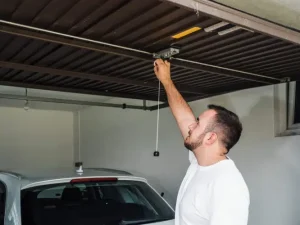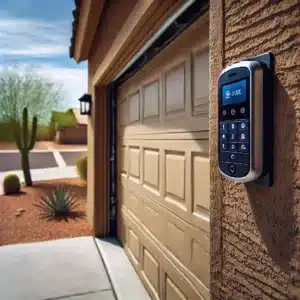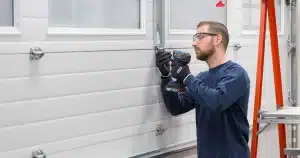

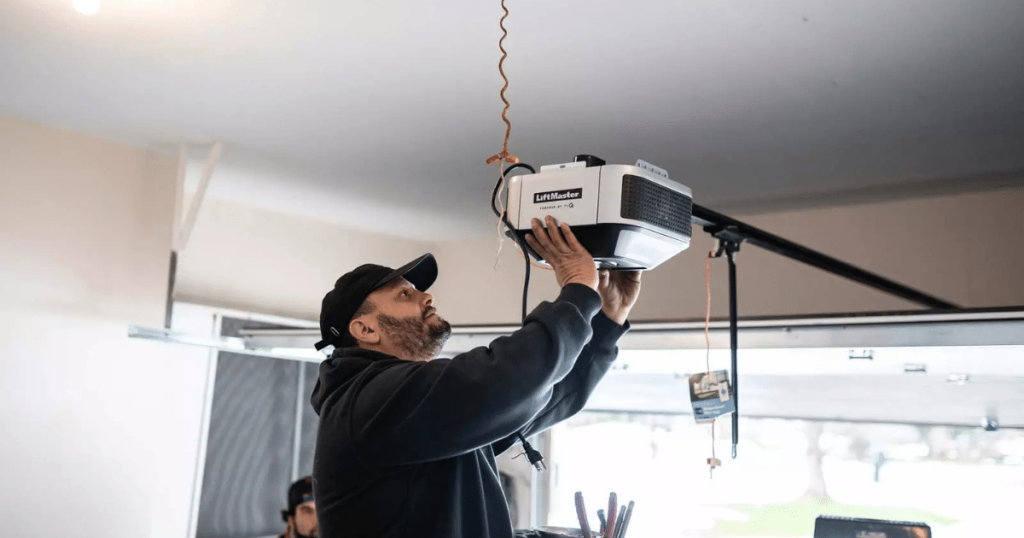
Your garage door does more than simply allow access to your home. It is a substantial mechanical system that many households rely on every day. From the garage door opener to the interconnected components that guide and support its movement, the entire system works continuously to provide convenience and maintain a secure environment. With such frequent use, gradual wear is unavoidable, even when the door appears to be operating normally.
Regular garage door maintenance plays a key role in keeping the system functioning safely and reliably over time. Ongoing attention helps reduce the risk of unexpected issues and supports consistent performance as the door continues to handle daily use. Understanding which parts of the garage door system require regular care is an important first step toward protecting your investment, minimizing disruptions, and ensuring smooth operation as part of your everyday routine.
Garage Door Maintenance and Component Overview
Understanding how the different parts of a garage door system work together is essential to keeping the door operating smoothly. Tracks guide the door along its path while springs manage the weight and allow controlled movement. These and other moving components work in unison every time the door opens or closes, which makes them especially vulnerable to gradual wear. Regular maintenance activities, such as inspection, cleaning, and lubrication, help support proper operation and make it easier to notice early signs of stress before they develop into larger problems.
Staying consistent with garage door maintenance encourages reliable performance and reduces unnecessary noise during operation. Addressing normal wear early helps preserve how the system functions over time instead of waiting for a failure to occur. The sections below take a closer look at the main components that benefit from routine attention and explain why ongoing maintenance becomes even more important in climates like Mesa’s, where environmental conditions can place added strain on garage door systems.
For a deeper look at timing and scheduling, the blog “When Should Garage Door Maintenance Be Performed?” offers additional insight.
Garage Door Inspection of Major Door Components
A thorough garage door inspection provides the foundation for an effective maintenance routine. This process involves observing the door’s movement and examining key components for visible signs of wear, misalignment, or damage. Even minor issues can affect both safety and performance if left unaddressed, which is why early detection plays such an important role in avoiding more serious system failures.
During an inspection, several components deserve close attention. The opener’s chain or belt should be checked for visible wear, while tracks should remain clear of debris and free from bending. Cables need to be examined for fraying, and torsion springs should be reviewed for rust or separation, as these parts carry significant tension. Lubrication of moving components such as rollers and hinges supports quiet, smooth operation and helps reduce strain on the opener.
A comprehensive inspection typically includes the following areas:
- Safety Sensors – Checked for proper alignment and clear pathways
- Springs and Cables – Reviewed for rust, wear, or visible gaps
- Rollers and Tracks – Examined for dirt buildup, damage, or worn rollers
- Hardware – Assessed for loose brackets, bolts, or fasteners
Why Routine Garage Door Maintenance Matters in Mesa, Arizona
Mesa’s climate presents unique challenges that can accelerate wear on garage door systems. Prolonged exposure to intense heat, direct sunlight, and airborne dust places added stress on moving parts and exterior materials. Routine garage door maintenance in this environment goes beyond basic upkeep and plays an important role in protecting the system from weather-related damage that can shorten its lifespan.
Weather stripping along the bottom and sides of the door helps block dust, pests, and heat, but constant sun exposure can cause the material to crack or harden over time. When the seal weakens, dirt and hot air can enter the garage more easily, which may affect indoor comfort and energy efficiency, especially in homes with attached garages. Regular evaluations help identify worn seals before they lose their effectiveness.
Different garage door materials respond differently to Mesa’s conditions, which makes climate-aware maintenance especially important. Wood doors may crack or warp as protective finishes break down, while metal doors can develop surface wear and increased friction as dust builds up on moving parts. Springs are also affected by heat and constant tension, and timely broken spring replacement helps prevent sudden failures that could disrupt operation or compromise safety. Aligning garage door maintenance practices with local climate conditions helps preserve both appearance and function, allowing the system to continue operating reliably despite the challenges of the desert environment.
Garage Door Tune-Up and Preventive Maintenance
Scheduling regular garage door tune-ups plays an important role in preventive maintenance by supporting consistent performance across the entire system. Rather than waiting for a malfunction to interrupt daily routines, a tune-up focuses on keeping all components working together as intended. This process addresses minor concerns early, confirms that moving parts are properly lubricated, and helps reduce unnecessary strain on the system. Over time, this proactive approach supports smoother operation and minimizes the likelihood of unexpected disruptions.
During a tune-up, a service professional evaluates multiple areas of the garage door system to ensure everything is functioning as it should. The opener motor is reviewed, hardware is secured, and moving components are lubricated to reduce friction. This detailed assessment helps identify subtle issues, such as sensor misalignment or increased resistance in the opener mechanism, before they affect overall performance. Understanding the scope of a tune-up highlights its long-term value in preserving system reliability.
For more insight into why timely care matters, the blog “What Risks Come From Delayed Garage Door Maintenance?” explores the potential consequences in greater detail.
Preventive Garage Door Maintenance for Long-Term Performance
Preventive garage door maintenance is centered on maintaining consistent operation before problems develop. Regular attention helps the door move evenly, remain balanced, and function safely over time. When upkeep is performed on a routine basis, the system is better equipped to handle daily use without excessive wear. A trained technician follows a structured process, reviewing each component to confirm that adjustments are precise and that all parts are working in harmony.
Even small issues can influence overall performance if they are left unaddressed. Loose hardware, increased friction, or minor alignment changes can gradually affect how the door operates, leading to added noise or uneven movement. Professional adjustments help correct these conditions early, allowing the system to maintain balance and reduce unnecessary stress on the opener. This level of attention supports consistent operation and contributes to the longevity of the entire garage door system.
Key preventive maintenance activities typically include:
- Testing and adjusting the door balance to limit strain on the opener
- Lubricating moving components such as hinges, rollers, and springs
- Inspecting and securing nuts, bolts, and mounting hardware
- Verifying that safety systems, including the auto-reverse mechanism, function properly
What a Garage Door Maintenance Checklist Typically Covers
A garage door maintenance checklist provides a structured way to ensure every part of the system receives appropriate attention. By organizing the inspection process, the checklist helps prevent overlooked components and supports consistent results during each tune-up. This methodical approach confirms that the door remains balanced, secure, and prepared for continued operation.
The checklist is usually organized by system, covering the door structure, track and roller assembly, and the opener mechanism as part of a broader approach to garage door repair and maintenance. Each section includes specific inspection points, such as evaluating track alignment, listening for unusual sounds from the opener motor, and confirming that moving parts are adequately lubricated. This level of detail is what makes a comprehensive tune-up effective and reliable.
Below is an example of items commonly included in a garage door maintenance checklist:
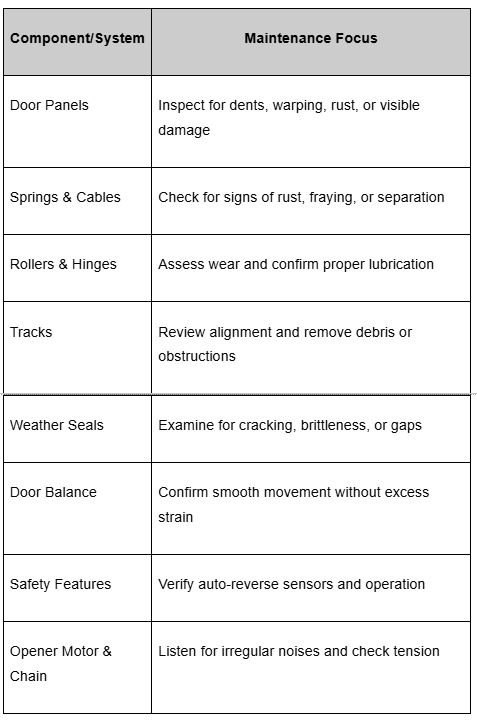
This structured review helps ensure the garage door system remains dependable, safe, and ready for ongoing daily use.
Garage Door Safety Check and Performance Indicators
A garage door safety check goes beyond confirming basic operation and plays a central role in any well-rounded maintenance routine. Because the garage door is a heavy mechanical system, its built-in safety features are essential for protecting people, vehicles, and stored belongings. Regular safety checks help confirm that critical systems such as the auto-reverse function and photo-eye sensors are responding correctly and consistently during everyday use.
These evaluations also focus on components that operate under significant tension, including springs and cables, while verifying that the door remains properly balanced. An unbalanced door or a compromised spring can create serious safety concerns if left unaddressed. For this reason, safety checks should be handled by a trained service professional with the proper tools and experience. Understanding what is involved in a safety inspection also makes it easier to recognize when the system may require immediate attention.
For a closer look at everyday benefits, the blog “How Garage Door Maintenance Supports Daily Use?” expands on how regular care fits into daily routines.
Garage Door Safety Check for Balance, Alignment, and Operation
A complete garage door safety check examines several key areas designed to reduce the risk of accidents. One of the first steps involves testing the door balance by disconnecting the opener and lifting the door manually to a halfway position. A properly balanced door should remain steady, while movement in either direction may indicate an issue with spring tension. Because springs operate under high force, any necessary adjustments must be handled by qualified personnel.
Safety sensors are another critical part of this process and play an important role in preventing sudden accidents. Positioned near the bottom of each track, these sensors project an invisible beam across the door’s opening so the system can stop and reverse direction if something enters its path. During an inspection, this response is tested by placing an object in the door’s path, while additional checks focus on roller brackets, cables, and hardware to confirm everything is secure and functioning as intended. When a sensor or related component fails unexpectedly, having access to emergency service becomes essential to restore safe operation without delay.
A typical garage door safety check includes:
- Balance Test – Lifting the door manually to confirm proper spring tension
- Auto-Reverse Test – Placing an object beneath the door to verify immediate reversal
- Photo-Eye Sensor Test – Blocking the sensor beam to ensure the door responds correctly
- Hardware Inspection – Checking roller brackets, bolts, and cables for secure placement
These steps help confirm that the garage door system operates safely, responds correctly to obstacles, and remains dependable during daily use.
Signs That Routine Garage Door Maintenance Is Needed
Your garage door often provides clear signals when it requires attention, and recognizing these changes early helps prevent minor issues from escalating into more serious problems. Ignoring warning signs can place added strain on the opener motor and other components, allowing small concerns to develop into extensive damage over time. An unbalanced door is a common indicator, especially if it appears uneven when closed or feels difficult to lift by hand. Other signs may include grinding, squeaking, or banging noises, uneven or jerky movement, slower operation, visible rust on springs or cables, or a door that struggles to stay open or reverses unexpectedly. Addressing these symptoms as soon as they appear supports smoother operation and helps extend the overall lifespan of the garage door system.
Regular garage door maintenance plays an important role in keeping the system safe, reliable, and built to last. By checking key components and following a preventive maintenance routine, potential issues can be identified early before they grow into larger and more costly repairs. This proactive approach helps the garage door remain dependable while supporting consistent performance over time. In places like Mesa, Arizona, where heat and environmental conditions can accelerate wear, paying close attention to balance, alignment, and overall condition becomes even more important. Staying attentive to these details helps protect both the door and the property it serves, ensuring the system continues to operate smoothly and effectively.
For homeowners who want dependable support with their garage door system, JT’s Overhead Doors offers experienced service focused on long-term performance and safety. Our team understands how local conditions affect garage doors and provides thorough evaluations designed to keep systems operating at their best. If you want confidence in your garage door’s condition and performance, contact us today or give us a call to schedule an inspection and keep your system working reliably.
Frequently Asked Questions
How often does a garage door typically need a tune-up to stay in good working condition?
For most homes, routine garage door maintenance is typically performed once a year to support reliable operation. Homes that rely heavily on the garage door may benefit from more frequent evaluations to ensure the opener and moving components continue to function smoothly. Staying consistent with maintenance reduces the likelihood of unexpected issues and helps extend the overall lifespan of the system.
What is usually checked during a standard garage door safety check?
A standard garage door safety check focuses on the system’s primary safety features and load-bearing components. This includes verifying the auto-reverse function, confirming proper photo-eye sensor operation, and reviewing door balance. Springs, cables, and related hardware are also examined to identify conditions that could affect safe operation.
How does the Mesa, Arizona, climate affect garage door inspection needs?
Mesa’s heat and dust can accelerate wear on garage door components, making regular inspections especially important. Weather seals may dry out or crack, reducing their effectiveness, while wood doors can warp or deteriorate if not properly protected. Inspections help identify climate-related wear early so the door continues to operate efficiently and reliably.
Which parts are most often addressed during routine garage door maintenance?
Routine maintenance typically focuses on components that experience constant movement or operate under constant tension, which makes them more susceptible to wear over time. Springs and cables are carefully evaluated because they support the door’s weight, while rollers, hinges, and brackets are reviewed to ensure the door continues to move smoothly and evenly. The opener’s chain or belt is also checked to confirm proper tension and reliable operation. For additional background on how these parts work together, you can explore related information from swthmaz.
How does regular garage door maintenance influence overall door performance?
Regular maintenance supports smooth and quiet operation by keeping components clean, aligned, and properly lubricated. Reducing friction allows the opener to function with less strain, which improves performance and minimizes wear. Addressing minor issues early helps prevent uneven movement and more serious mechanical failures.
Why are springs and cables important in preventive garage door maintenance?
Springs and cables play a critical role in lifting and controlling the door, and they remain under constant tension. When these components wear or fail, the door can become unstable and unsafe. Monitoring their condition helps maintain proper balance and reduces the risk of sudden system failure.
What can happen when routine garage door maintenance is delayed or overlooked?
Delaying maintenance allows small issues to progress into larger mechanical problems. Increased strain on the opener, worn components, and compromised safety features can lead to system failure or property damage. Routine attention helps preserve reliability and reduces long-term risk.
Why is garage door balance reviewed as part of a general garage door inspection?
Door balance is reviewed because it directly affects safety and performance. An unbalanced door places excessive strain on the opener and can signal spring-related issues. Ensuring proper balance helps the system operate evenly and supports long-term durability.
How do environmental conditions impact preventive garage door maintenance over time?
Environmental exposure plays a significant role in how often garage door maintenance is needed, especially as heat weakens seals, moisture contributes to corrosion, and dust interferes with tracks and moving parts. Because these conditions place ongoing stress on the system, maintenance routines are often adjusted to reduce weather-related wear and support long-term performance. Additional insight into how preventive care extends a garage door’s lifespan can be found at fixithomeau.
What systems are commonly included in a garage door maintenance checklist?
A maintenance checklist typically covers the opener motor, drive system, safety features, and structural components such as rollers, hinges, and hardware. Electrical elements, door balance, and overall movement are also reviewed to ensure the system continues to operate smoothly and dependably.