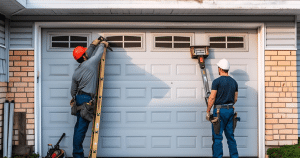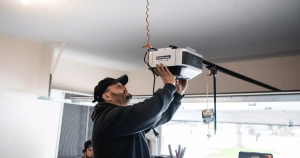

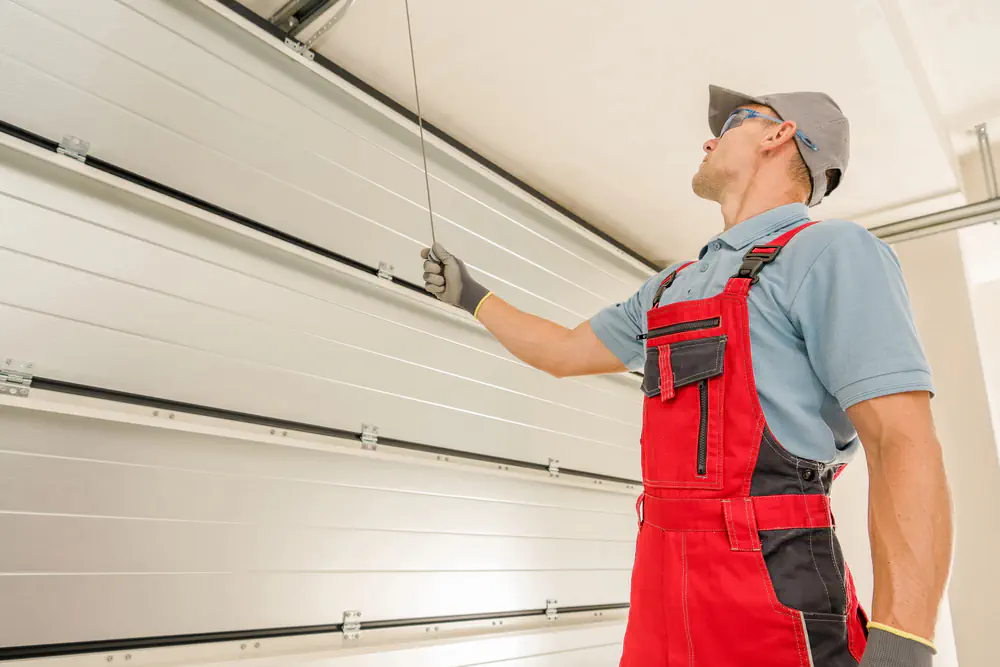
That grinding, squeaking, or banging sound your garage door makes is not something to brush off. In most cases, it is an early warning sign that something is starting to break down. For homeowners in Mesa, AZ, the extreme heat and dry air make these problems escalate faster than in other climates.
Garage door noise rarely stays the same. It gets worse over time. Whether it is a worn spring, a failing roller, or a track that has shifted out of place, each issue puts added stress on the full system with every cycle. This guide breaks down the most common causes behind a noisy garage door, what to inspect on your own, and how professional garage door service can slow the damage before it turns into a costly repair.
Lack of Lubrication Is the Most Overlooked Cause of Garage Door Noise
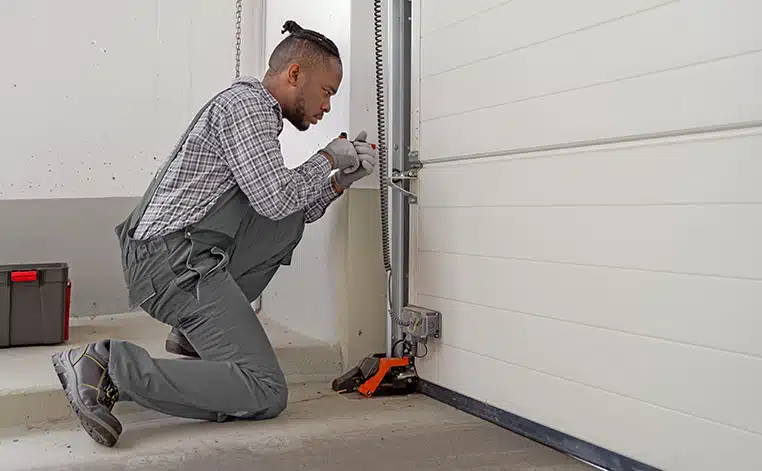
When moving parts are not lubricated regularly, metal rubs directly against metal. That friction builds up fast, especially in Mesa, AZ, where desert heat dries out lubricants much quicker than in humid climates. The longer it goes without lubrication, the louder and rougher the door will sound, and what could have been a simple garage door repair becomes a much more involved repair.
What to Check Before the Squeaking Gets Worse
- Rollers along the track for visible rust or stiffness
- Hinges where panels connect for squeaking when moved manually
- The torsion or extension spring system above the door for dryness
Quick tip: Use a silicone-based or lithium-based lubricant every three to six months. Avoid WD-40 as a long-term solution since it evaporates quickly and is not a true lubricant.
Worn or Damaged Rollers Create Constant Grinding Sounds
Rollers guide the door along the track, and when they wear down, they become cracked, flat-spotted, or uneven. That causes the door to grind, rattle, and shake with every use. Plastic rollers are especially vulnerable under the intense Mesa, AZ, sun.
Signs Your Garage Door Rollers Need Immediate Attention
- Flat spots, cracks, or chips visible on the roller wheel surface
- Rollers that wobble or shake when the door moves
- Rollers jumping out or not sitting properly inside the track channel
Quick tip: Nylon rollers typically last seven to ten years with proper maintenance. If yours are older, an inspection is overdue.
To get familiar with the most critical components behind the racket, reading about Failing Garage Door Parts You Should Never Ignore can help you identify what to check next.
Loose Hardware Rattles and Gets Worse Under Repeated Vibration
Every time the door cycles, it sends vibration through the entire system. Over time, that movement causes nuts, bolts, and brackets to work themselves loose. Once hardware loosens, it rattles, and that rattling causes even more wear on surrounding parts.
How to Inspect Garage Door Hardware for Looseness
- All visible bolts and nuts along the track and mounting brackets
- Garage door opener mounting bolts on the ceiling for any give
- Hinges between each door panel for wobbles or looseness
Quick tip: Snug is enough when tightening. Over-tightening can strip threads and create a bigger problem than the loose bolt itself.
Misaligned or Dirty Tracks Force the Door to Work Harder
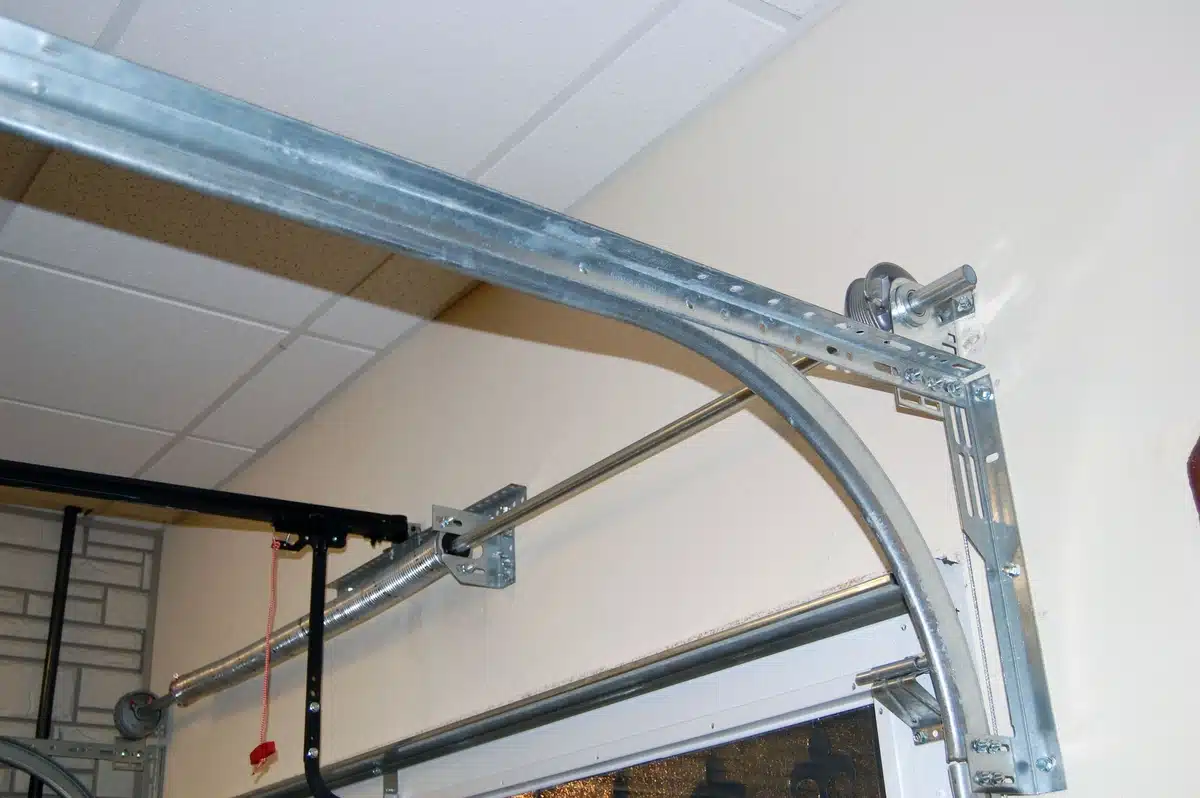
When tracks are bent, dirty, or out of alignment, the door pushes through resistance on every cycle. That resistance creates noise and speeds up wear on rollers, hinges, and the opener motor. In Mesa, AZ, dust and debris inside the track are especially common culprits.
Warning Signs Your Garage Door Track Is Out of Alignment
- Visible bends, gaps, or crimps anywhere along the track
- Tracks that are not level or parallel on both sides of the door
- Debris or dirt buildup caked inside the track channel
Quick tip: Minor misalignment can sometimes be corrected by loosening the mounting brackets and tapping the track back into position. Major damage should always be handled by a professional technician.
According to the Door and Access Systems Manufacturers Association (DASMA), regular inspection of garage door tracks is one of the most important steps homeowners can take. Review their garage door safety and maintenance tips for a full breakdown of what professionals recommend.
Worn Springs Are a Major Source of Increasing Garage Door Noise
Springs carry the full weight of the door on every cycle, and as they age, they lose the ability to operate smoothly. A fatiguing spring produces loud popping, creaking, or snapping sounds that grow more noticeable over time. When a spring fully breaks, it usually goes with a loud bang, and the door becomes very heavy or stops working.
Spring repairs involve extremely high tension and should always be handled by a trained professional. Attempting to adjust or replace springs without the proper tools is dangerous.
How to Spot Early Signs of Garage Door Spring Failure
- Loud popping or creaking sounds near the top of the door during operation
- The door feeling noticeably heavier than usual when lifted manually
- Visible gaps or separation in the torsion spring coils above the door
Quick tip: Most torsion springs are rated for 10,000 cycles. If your door opens twice a day, that is roughly 13 years of use before the spring starts to fatigue.
For a deeper look at how noise patterns signal something more serious, When a Noisy Garage Door Means Serious Trouble Ahead explains exactly when to call a technician right away.
A Worn Garage Door Opener Amplifies Every Existing Problem
As the opener motor, chain, belt, or screw drive wears out, it adds its own noise on top of whatever the door is already producing. An old chain-drive opener can rattle and clank even when the rest of the door system is in decent shape. Screw-drive openers develop grinding sounds when the drive mechanism is not regularly maintained.
Angi provides a helpful breakdown of which garage door opener style is best for your home if you are considering an upgrade as part of your noise reduction plan.
Garage Door Opener Red Flags You Should Not Overlook
- Grinding or rattling sounds coming specifically from the opener unit on the ceiling
- A chain or belt that is visibly sagging, fraying, or worn
- Error indicator lights or sluggish, hesitant motor performance
Quick tip: If your opener is more than 10 to 15 years old and the noise is coming from the motor unit, replacement is often more cost-effective than continued repairs.
Weather Stripping and Panel Damage Add to the Overall Racket
Cracked or hardened weather stripping causes the door to sit unevenly, which leads to vibration and slapping sounds during operation. Dented or warped panels no longer align with each other, adding friction and creaking on every cycle. In dry climates like Mesa, AZ, rubber seals break down faster than most homeowners expect, which is why including weather stripping and panel checks as part of routine garage door maintenance goes a long way toward preventing noise before it starts.
What to Inspect on Your Garage Door Panels and Weather Seal
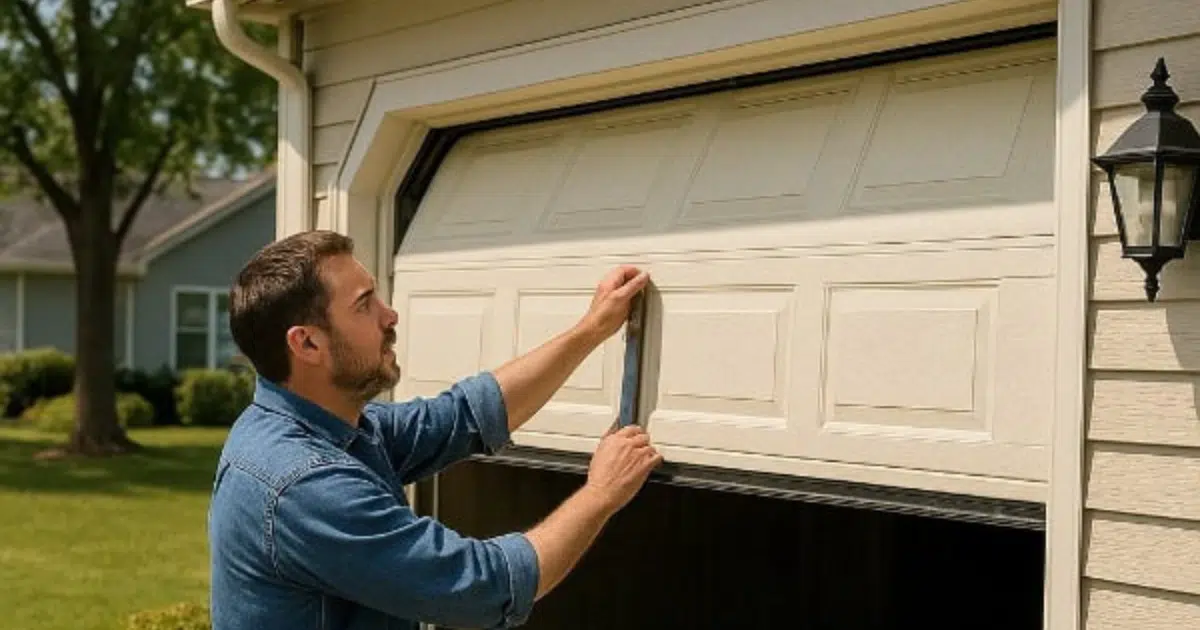
- Weather stripping along all edges for cracks, brittleness, or missing sections
- Door panels for dents, warping, or sections that no longer sit flush
- The bottom rubber seal for uneven contact or visible gaps along the floor
Quick tip: Replacing weather stripping is one of the lowest-cost maintenance tasks available. It reduces noise and helps with energy efficiency at the same time.
Learning about How Ignoring Garage Door Noise Costs You More Later is a smart next step to understand why small issues left unresolved almost always lead to higher repair bills.
Noise Is a Signal, Not Just a Nuisance
A noisy garage door does not repair itself. Every ignored squeak, rattle, or grind means something is wearing down or working harder than it should. Catching problems early keeps repairs simple and affordable.
JT’s Overhead Doors has the professional expertise you need when you’re ready for a garage door inspection. Our experienced technicians know exactly what to look for and how to get your door running quietly and reliably again. Contact us today or give us a call to schedule your inspection and let us handle it the right way.