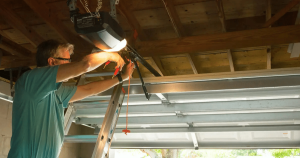


Garage door springs play a central role in how the garage door operates as a complete system. These components support the door’s weight and help maintain smooth, controlled movement during normal use. When spring performance begins to decline, the effects often extend beyond a single part of the system.
- Garage door springs help balance the weight of the door during opening and closing.
- Torsion and extension springs carry most of the operational load each time the door moves.
- Worn or weakened springs can disrupt overall garage door performance.
- Delayed spring repair may increase strain on other mechanical components.
- Spring-related issues can introduce safety concerns and operational instability.
- Early spring wear can progress into broader system complications.
- Reduced spring support can affect door strength and long-term reliability.
Addressing spring-related issues through timely garage door repair helps preserve proper door movement and overall system stability. When spring problems are left unresolved, they can alter how the garage door functions and place additional stress on surrounding components over time.
Mechanical Effects of Delayed Garage Door Spring Repair
When a garage door spring breaks, the door immediately loses its balance and proper weight support. Springs are responsible for offsetting the door’s weight, and when that support is gone, excess force shifts to other components not designed to carry it. This added strain affects the opener and surrounding hardware, increasing stress across the entire system. A single spring failure can quickly lead to wider mechanical issues, which is why delayed attention often results in broader garage door performance problems.
For a deeper look at timing and early warning signs, see When Should Garage Door Spring Repair Be Considered?
Gradual Loss of Door Balance and Controlled Movement
Garage door springs are designed to maintain proper balance so the door moves smoothly and remains stable during operation. When spring performance begins to decline, the door’s ability to stay evenly supported is gradually affected.
- Garage door springs help balance the door’s weight during opening and closing.
- Worn or broken springs reduce the door’s ability to remain evenly supported.
- Loss of balance often becomes noticeable when the door feels heavier during manual lifting.
- Uneven spring support can cause the door to tilt or move irregularly.
- Ongoing imbalance increases stress across the entire garage door system.
As balance continues to deteriorate, overall door stability is reduced. This condition affects how the door was originally designed to operate and can accelerate wear on surrounding components.
Increased Strain on the Garage Door Opener System
The garage door opener relies on properly functioning springs to move the door efficiently. When spring support is reduced, the opener is forced to compensate for the added weight.
- Garage door openers are designed to move a balanced door, not support its full weight.
- Spring failure causes the opener motor to work harder than intended.
- Excess strain may lead to unusual sounds and reduced motor efficiency.
- Added force affects gears, belts, chains, and other opener-related components.
- Continued strain can contribute to broader opener system wear.
Over time, this increased workload can affect the performance and reliability of the entire opener system. What begins as a spring issue can expand into multiple mechanical concerns.
Escalation From Spring Wear to Complete Spring Failure
Garage door springs typically weaken gradually through repeated use rather than failing without warning. As wear progresses, the spring’s ability to support door movement steadily declines.
- Early wear may appear as stretching or reduced tension in the spring.
- Advanced wear often includes visible gaps in torsion springs or deformation in extension springs.
- As wear increases, door movement may become uneven or jerky.
- Complete failure is often marked by a sudden break and loud noise.
- Once failure occurs, the door loses its ability to lift properly.
Understanding how spring wear progresses helps explain why delayed attention can lead to sudden operational failure, a situation that often requires garage door emergency service. At this stage, the garage door system is no longer able to function as intended.
Safety and Structural Risks That Develop Over Time
Delaying attention to garage door spring issues can lead to serious safety and structural concerns. Springs store significant tension to support the door’s weight, and when that support is lost, the system becomes unstable. A broken spring can cause the door to stop unexpectedly or lose lifting support entirely, triggering safety responses in modern openers. This instability increases the risk of sudden door drops and uncontrolled movement, which can place people, vehicles, and nearby structures at risk and contribute to damage throughout the garage door system.
To better understand the underlying reasons behind these problems, explore What Causes the Need for Garage Door Spring Repair.
Increased Risk of Sudden Door Drops or Instability
Garage door springs provide the primary support that keeps a heavy door moving in a controlled and stable way. When a spring fails, that support is lost instantly, leaving the door vulnerable to uncontrolled movement.
- Spring failure can occur suddenly, releasing built-up tension without warning.
- Loss of spring support causes the door to lose its ability to stay suspended.
- A fully or partially open door may drop rapidly under its own weight.
- Door movement may become unstable, uneven, or unpredictable after a spring failure.
- Instability increases the likelihood of the door shifting off track or falling.
Once the door becomes unstable, normal operation is no longer safe or reliable. The garage door system depends on balanced spring support to prevent sudden movement and loss of control.
Greater Potential for Property Damage Near the Garage
A failing garage door spring can place nearby property at risk due to the size and weight of the door. When support is lost, the force of uncontrolled movement can cause significant damage.
- Vehicles parked beneath or near the door may be struck if the door drops suddenly.
- Garage door panels can dent, crack, or warp during uncontrolled movement.
- Tracks and rollers may bend or break if the door shifts or falls unevenly.
- Items stored near the door, such as tools or shelving, may be knocked over or crushed.
- A sudden spring release can cause cables or spring components to strike nearby surfaces.
As damage spreads beyond the spring itself, repair needs can increase across multiple parts of the garage. Structural and mechanical impacts often occur together once door control is lost.
Reduced Safety for People Using the Garage Door
Garage doors are among the heaviest moving components in a home, making spring-related failures a serious safety concern. When spring support is compromised, the risk to people increases significantly.
- A heavy garage door may fall without warning, posing a direct injury risk.
- Unstable door movement can cause the door to swing, tilt, or derail unexpectedly.
- Sudden spring failure can overwhelm built-in safety responses in the opener system.
- Manual handling becomes hazardous when the door’s full weight is no longer supported.
- Broken spring components may move forcefully within the garage space.
These safety concerns highlight how critical proper spring function is to daily garage door use and the role of timely garage door service in maintaining stable operation. When stability is lost, the garage environment becomes unpredictable and potentially dangerous.

How Delayed Spring Repair Impacts Overall Door Performance
Delaying garage door spring repair can reduce overall door performance and stability. Springs play a central role in supporting smooth and balanced movement, and when that support is lost, the door may operate unevenly or produce unusual noise. The system is forced to handle the door’s full weight without proper assistance, placing added strain on the opener and surrounding components. Over time, this imbalance can weaken the entire garage door system and lead to additional operational issues.
For a closer look at how spring condition affects operation, read How Garage Door Spring Repair Impacts Door Movement?
Difficulty Opening and Closing the Garage Door
Garage door springs offset most of the door’s weight, allowing it to move smoothly with minimal effort. When a spring fails, that balance is lost, making normal door operation noticeably more difficult.
- The garage door may feel unusually heavy when lifted manually.
- The opener may struggle to move the door or stop partway through operation.
- Motor sounds such as humming or grinding may occur without door movement.
- Door motion may feel rough, stiff, or inconsistent.
- Visual changes in the spring, such as gaps or stretching, may be noticeable.
Without proper spring support, the door system can no longer move efficiently. This reduced ease of operation often signals deeper balance and load-related issues within the garage door system.
Uneven Door Travel Along the Tracks
Balanced spring tension helps keep the garage door aligned as it moves along the tracks. When spring support becomes uneven, the door may no longer travel straight or smoothly.
- One side of the door may lift faster or higher than the other.
- The door may tilt or shift as it moves up or down.
- Rollers may experience uneven pressure during movement.
- Track alignment can be affected by crooked or jerky door travel.
- Door motion may appear jumpy or unstable throughout operation.
As uneven movement continues, stress increases on components designed for straight, balanced travel. This instability can interfere with normal door function and system alignment.
Progressive Wear on Connected Door Components
Garage door components are designed to work together under balanced spring support. When a spring fails, the remaining parts are forced to compensate for added weight and strain.
- The opener motor may experience increased workload during operation.
- Lifting cables can be subjected to higher-than-normal tension.
- Rollers and hinges may wear unevenly due to imbalanced movement.
- Door panels can shift or bend under uneven support.
- Tracks may absorb additional force during unstable door travel.
Over time, this added stress can affect multiple parts of the garage door system, including related components such as garage door keypads that rely on consistent door operation. What begins as a spring-related imbalance may gradually reduce the durability and performance of connected components.
Everyday Disruptions Caused by a Failing Garage Door Spring
Garage door spring problems can disrupt daily routines as much as they affect door mechanics. Since the garage door is often a primary entry point, spring failure can prevent access to vehicles and delay everyday activities. Unreliable door operation creates uncertainty about whether the door will open or close when needed, adding frustration and stress. These disruptions highlight how closely garage door spring performance is tied to normal household schedules and daily movement.
Limited Access to Vehicles and Stored Items
A garage door spring failure can immediately block access to one of the most frequently used spaces in a home. When the door can no longer lift properly, both transportation and storage access may be affected.
- Vehicles inside the garage may become inaccessible.
- The door may be too heavy to lift manually without spring support.
- Stored items such as tools, bikes, or equipment may be unreachable.
- Daily plans can be disrupted due to limited garage access.
- Dependence on the garage for routine tasks becomes more noticeable.
When access is restricted, the garage shifts from a convenience to a limitation. This disruption highlights how essential proper spring function is to everyday household use.
Unexpected Interruptions to Daily Routines
Garage door springs can fail without warning, often at inconvenient times. Sudden loss of door function can force immediate changes to daily schedules.
- A spring failure may occur just before leaving home or upon returning.
- Loud noises from spring breakage can signal an unexpected problem.
- Planned activities may need to be postponed or rearranged.
- Time and attention may be diverted to dealing with door-related issues.
- Ongoing spring wear can create uncertainty during normal door use.
These interruptions can add stress and distraction to daily life. Unreliable garage door operation makes it harder to maintain predictable routines.
Security Concerns Due to Unreliable Door Operation
A garage door that cannot open or close properly may affect the overall security of the home. Spring-related issues can prevent the door from sealing or staying firmly in place.
- The door may not close fully, leaving visible gaps.
- Reduced balance can make the door easier to push or shift.
- Inconsistent closure may weaken the barrier between the garage and home.
- Unstable door positioning can expose stored items to risk.
- Dependability of the garage as a secure entry point may be reduced.
When the door operation becomes unreliable, the garage no longer provides consistent protection. Stable spring support is essential for maintaining proper closure and overall home security.
Why Delaying Garage Door Spring Repair Increases Safety Risks
Delaying attention to a damaged garage door spring can lead to wider mechanical and safety concerns. As spring strength continues to decline, added pressure is placed on the opener and other components, increasing the risk of sudden failure. This can result in unstable door movement or unexpected drops, which may pose a risk to people and property nearby. Addressing spring-related issues in a timely manner helps maintain proper door function, reduce system strain, and support overall garage safety.
For homeowners looking for dependable guidance and careful workmanship, JT’s Overhead Doors is known for a thoughtful, safety-focused approach to restoring proper garage door operation. Our team emphasizes clear communication and thorough evaluation to help homeowners understand spring-related concerns and keep their garage doors operating smoothly. Contact us today or give us a call to schedule an inspection and restore confidence in your garage door system.