
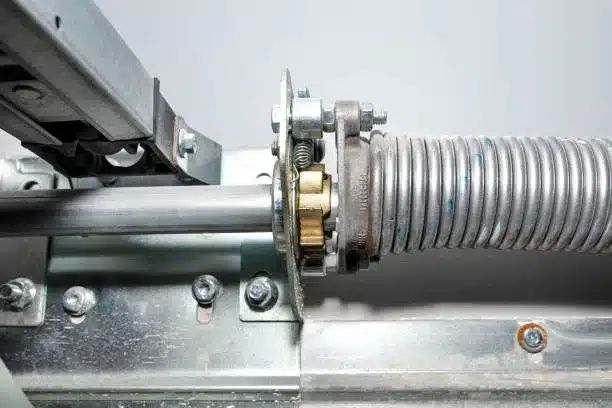
The garage door spring plays a central role in how smoothly and safely a garage door operates. Although it often goes unnoticed, this component supports the door’s weight and helps control movement during daily use.
- Garage door springs help balance the full weight of the door during opening and closing.
- Proper spring tension allows the door to move smoothly and with consistent control.
- Ongoing use and exposure to weather conditions can gradually weaken spring performance.
- Changes in spring conditions can affect how the entire door system functions.
- Unresolved spring issues may lead to operational instability and safety concerns.
- Springs work in coordination with other garage door components to support overall performance.
Understanding how garage door springs influence door movement makes it easier to recognize when spring-related issues may need attention and when garage door repair may be necessary. Keeping the spring system in proper working condition supports consistent operation and long-term stability across the entire garage door system.
Key Situations That Indicate Garage Door Spring Repair
Clear signs can indicate when a garage door spring may need attention. A broken spring is often noticeable through a loud noise, visible gaps, or a spring that appears misshapen. When the spring function is compromised, the garage door may feel unusually heavy and difficult to lift, placing added strain on the opener system. Because the spring helps support the door’s weight, continued operation with a damaged spring can lead to broader system stress and reduced performance over time.
For a deeper look at why these issues develop, the blog “What Causes the Need for Garage Door Spring Repair?” explores the underlying factors in more detail.
Garage Door Resists Normal Opening or Closing
When a garage door spring begins to fail, changes in how the door opens or closes are often the first noticeable signs. Because the spring supports most of the door’s weight, a reduced spring function directly affects door movement.
- The garage door may only lift partway or struggle to move at all.
- Manual lifting can feel unusually heavy, indicating loss of spring assistance.
- The opener may bear more load than intended due to weakened spring support.
- Irregular movement can place added stress on connected door components.
These movement changes suggest the spring is no longer balancing the door properly, which can affect overall system stability if left unaddressed.
Visible Separation or Distortion in the Spring
Physical changes in a garage door spring often point to internal damage or wear. Visual inspection can reveal clear differences in how the spring appears compared to its original shape.
- Torsion springs may show a noticeable gap where the coil has separated.
- Extension springs can appear stretched, twisted, or uneven along the tracks.
- Springs may hang lower on one side or lose their uniform shape.
- Bent or misshapen coils indicate reduced spring strength.
When these visual signs are present, the spring’s ability to support controlled door movement is typically compromised.
Door Movement Feels Heavier or Less Controlled
Even without a complete break, a weakening spring can change how the garage door feels during operation. These changes are often most noticeable during manual use or when observing how the door closes.
- The door may feel heavier to lift despite the continued opener function.
- Reduced spring tension can cause uneven or unstable door travel.
- The door may close faster than expected instead of moving smoothly.
- Additional strain may shift to other garage door components.
A loss of controlled movement often indicates that the spring is no longer providing adequate balance, affecting the door’s overall performance and signaling when garage door emergency service may be required.
Operational Changes That Suggest Spring-Related Issues
Subtle changes in daily garage door operation can signal developing spring issues. Uneven movement, new or unusual sounds, or slight jolts during operation may indicate that the springs are under increased strain. While these changes may seem minor at first, they can progress into more significant spring failure over time, affecting overall door stability and performance.
To better understand how spring conditions influence door behavior, the blog “How Garage Door Spring Repair Impacts Door Movement?” takes a closer look at this relationship.
Irregular or Jerky Door Travel
A properly functioning garage door should move in a steady, controlled manner. When spring performance declines, door movement can become inconsistent and difficult to manage.
- Shaking or vibrating during upward or downward movement
- Stopping and starting unexpectedly along the tracks
- Uneven lifting from one side of the door
Irregular travel often indicates uneven spring tension, which can affect alignment and place added stress on other door components over time.
Unusual Sounds Occurring During Door Movement
Some operational noise is normal, but changes in sound can point to spring-related issues. Springs under strain may produce noises that differ from the usual opener or track sounds.
- Loud, sudden noises caused by tension release
- Squeaking or groaning during door movement
- Popping or grinding sounds from the spring area
These sounds suggest that the spring may be struggling to maintain proper tension, which can affect smooth and controlled door operation.
Door Appears Uneven While Opening or Closing
A garage door should remain level as it moves. When one spring weakens or fails, the door may lift unevenly and appear misaligned.
- One side of the door is rising faster than the other
- Visible tilting as the door opens or closes
- Increased strain along tracks and rollers on one side
Uneven movement reflects an imbalance in spring support, which can lead to alignment issues and reduced stability across the garage door system and indicate when garage door service may be needed.
Factors That Contribute to Garage Door Spring Deterioration
Garage door springs experience constant stress each time the door opens and closes, causing gradual wear over time. Factors such as frequency of use and exposure to changing weather conditions can influence how quickly spring performance declines. Because springs are designed to operate for a limited number of cycles, their ability to maintain proper tension naturally decreases, making wear-related issues more likely as the system ages.
For insight into the potential consequences of waiting too long, the blog “What Happens When Garage Door Spring Repair Is Delayed?” explains what can occur over time.
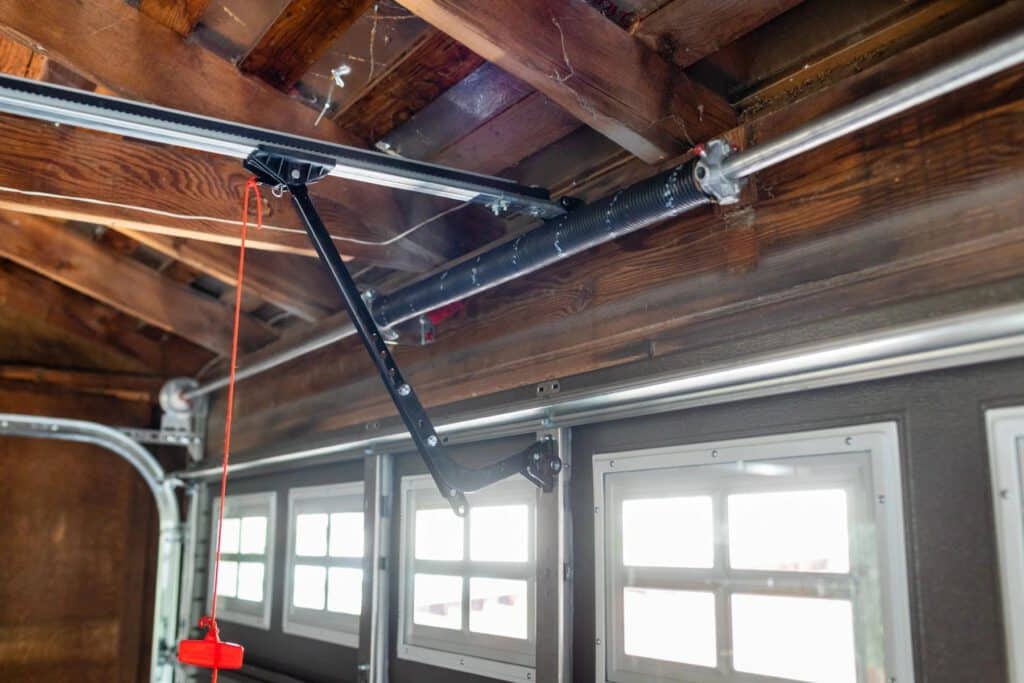
Ongoing Stress from Repeated Door Use
Garage door springs are under high tension every time the door opens and closes. Frequent use accelerates normal wear as the steel coils repeatedly stretch and contract under heavy load.
- Each open-and-close cycle places stress on the spring coils
- Higher daily use increases the rate of metal fatigue
- Springs gradually lose strength as cycle limits are reached
Over time, repeated door use naturally reduces spring performance, making wear-related issues more noticeable as the system ages.
Exposure to Moisture and Environmental Conditions
Garage environments are often exposed to changing temperatures and moisture levels. These conditions can affect the metal structure of garage door springs and contribute to early deterioration.
- Moisture in the air can lead to rust and surface corrosion
- Rust weakens the steel and increases internal friction
- Temperature shifts cause metal expansion and contraction
Environmental exposure places additional strain on springs, which can shorten their functional lifespan and reduce consistent door movement.
Gradual Loss of Spring Tension Over Time
Even without visible damage, garage door springs naturally lose tension after years of repeated use. This slow decline affects how effectively the spring balances the door’s weight.
- The door may feel heavier during manual operation
- Reduced tension can cause faster or less controlled closing
- Springs may stretch permanently, altering coil spacing
- Other door components may experience added strain
As tension continues to decrease, overall door stability can be affected, signaling that the spring is no longer performing as intended and may begin to impact related features such as garage door keypads and overall system responsiveness.
Potential Effects of Delaying Garage Door Spring Repair
Ignoring early signs of garage door spring issues can allow minor problems to develop into more serious system failures. When a spring loses proper function, added stress can transfer to other garage door components, increasing instability and reducing safe operation because a compromised spring affects how the door moves and balances. Continued use may raise safety concerns and lead to broader mechanical strain over time.
Increasing Instability in Door Operation
When a garage door spring issue is left unresolved, door movement can become increasingly unstable. What begins as a minor inconsistency may progress into a serious operational failure.
- Door movement may shift from slight shaking to severe vibration
- Uneven spring strength can cause the door to lift at an angle
- Tracks and rollers may experience abnormal stress
- The door may become stuck or misaligned during operation
As instability increases, the garage door system can lose its ability to operate reliably, creating functional and safety concerns.
Added Strain on Other Door Components
A failing garage door spring forces other components to compensate for lost balance. These parts are not designed to handle the door’s full weight on their own.
- The opener motor may work harder than intended
- Lifting cables can experience excessive tension
- Rollers and hinges may wear unevenly
- Tracks and panels can shift or deform
As strain spreads through the system, additional components may become affected, increasing overall mechanical stress.
Higher Risk of Sudden Door Malfunction
Weak or damaged garage door springs can fail without warning. Because springs control how the door’s weight is managed, sudden failure can lead to rapid and uncontrolled movement.
- The door may drop or move abruptly
- Door control and balance can be lost instantly
- System safety and reliability may be compromised
- Nearby people or objects may be placed at risk
Unexpected spring failure represents one of the most serious garage door concerns, as it directly affects controlled operation and overall system stability.
When Garage Door Spring Repair Becomes Necessary
Knowing when garage door spring repair may be needed supports safe and consistent door operation. Changes such as increased resistance, unusual sounds, or visible spring distortion can signal developing issues that affect overall system balance. Addressing these concerns early helps reduce added strain on other components and supports long-term garage door performance.
For homeowners seeking dependable guidance and professional care, JT’s Overhead Doors is known for a thoughtful, detail-focused approach to garage door spring concerns. Our team emphasizes clear communication and careful evaluation to help restore proper door movement and system stability. If you’re noticing signs of spring-related issues, contact us today or give us a call to schedule an inspection and keep your garage door operating smoothly and safely.