

Garage door springs play a key role in how smoothly and reliably a garage door moves. By counterbalancing the door’s weight, the springs allow the system to operate in a controlled and steady manner during daily use.
- Garage door springs help lift the door by balancing its overall weight
- Proper spring tension supports smooth and consistent door movement
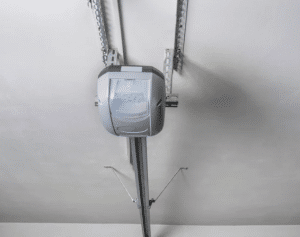
- Springs reduce strain on the automatic opener during operation
- A damaged or broken spring can cause uneven, slow, or halted door motion
- Spring-related movement issues can affect overall door performance
When spring conditions decline, door movement often becomes unpredictable or difficult to control. Recognizing how spring performance influences door movement helps explain why timely garage door spring repair and overall garage door repair are important for maintaining safe and reliable operation.
How Garage Door Spring Repair Affects Overall Door Movement
Garage door movement relies heavily on the condition of the spring system. When the springs are functioning properly, they support the door’s weight and allow the opener to move the door smoothly and evenly. If a spring breaks, that balance is lost, causing the door to move unevenly, become difficult to lift, or stop operating altogether. Sudden or abnormal sounds during operation often indicate a loss of spring support, making garage door spring repair important for restoring proper and controlled door movement.
For a deeper look at timing and warning signs, see When Should Garage Door Spring Repair Be Considered?
Supporting Consistent Upward and Downward Travel
Garage door springs play a major role in helping the door move smoothly from fully closed to fully open. By balancing the door’s weight, the springs allow controlled movement during every cycle.
- Springs counterbalance the door to support even lifting and lowering
- Stored tension helps maintain steady movement throughout travel
- Proper spring support allows the opener to guide the door smoothly
- Broken springs remove balance, leading to uneven or stalled motion
When spring support is lost, the door no longer moves in a reliable way. This change in movement often signals that spring performance is affecting overall door operation.
Regulating Door Speed Throughout Operation
Spring tension directly influences how fast the garage door moves during opening and closing. When tension is properly maintained, the door travels at a controlled and predictable speed.
- Springs slow the door’s descent to prevent rapid drops
- Controlled tension helps the door rise at a steady pace
- Balanced force keeps door speed consistent through each cycle
- Weak springs can cause slamming or slow movement
Noticeable changes in door speed often reflect a loss of spring control. Addressing spring-related movement issues helps restore steady and controlled door operation.
Maintaining Controlled Movement From Start to Stop
Springs help guide the garage door as it transitions from rest into motion and back again. This control allows the door to start and stop smoothly without sudden jolts.
- Springs absorb initial movement force at startup
- Gradual tension release supports gentle stopping
- Controlled motion reduces strain on moving components
- Worn springs can cause jerky starts or hard stops
When springs lose this control, door movement becomes rough and unpredictable. Restoring proper spring function through timely attention, including garage door emergency service when needed, supports smooth and stable operation during every use.
The Role of Spring Balance in Door Stability
A spring balance plays an important role in keeping a garage door steady during operation. When spring tension is evenly distributed, the door remains level as it moves along the tracks, allowing smooth and controlled movement. If one spring becomes weaker than the other, the door can lift unevenly, placing added strain on the tracks, rollers, and opener. Maintaining proper spring balance supports stable door movement and helps reduce unnecessary stress on the entire garage door system.
To better understand the underlying reasons behind spring imbalance, explore What Causes the Need for Garage Door Spring Repair.
Distributing Door Weight Evenly Across the System
Garage door springs help manage the weight of the door so movement remains steady and controlled. When spring tension is evenly distributed, the entire system works together smoothly during operation.
- Springs spread the lifting force evenly across both sides of the door
- Balanced weight supports smooth upward and downward travel
- Even distribution reduces strain on connected door components
- A broken spring shifts weight unevenly across the system
When the weight is no longer balanced, the door movement becomes unstable. Restoring proper spring balance helps maintain consistent operation and protects the overall garage door system.
Preventing Uneven Travel Along the Tracks
Garage door tracks guide the door in a straight line as it opens and closes. Proper spring support ensures both sides of the door move together along the tracks.
- Equal spring tension keeps the door movement aligned
- Balanced force allows rollers to stay properly positioned
- Weakened springs can cause angled or tilted travel
- Uneven movement increases friction along the tracks
When a door no longer travels evenly, stress builds across the system. Addressing spring-related imbalance helps keep the door moving straight and reliably.
Helping the Door Remain Level During Motion
A level garage door during operation indicates balanced spring support. Springs that lift both sides equally help the door remain straight throughout its movement.
- Balanced springs support even lifting on both sides
- Level motion reduces strain on panels and connectors
- Uneven spring wear can cause the door to tilt
- Tilted movement disrupts smooth door operation
Maintaining level movement helps protect the door and supporting components. Proper spring function, supported through regular garage door service, plays a key role in stable and predictable garage door motion.
Movement Issues Linked to Worn or Damaged Springs
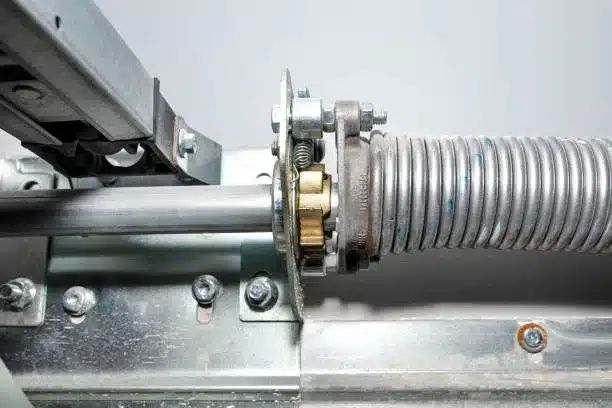
Worn or damaged springs can quickly disrupt how a garage door moves. When a spring breaks, the door may become too heavy to lift, causing it to stop moving or operate unevenly. A sudden loud noise often accompanies spring failure due to the release of built-up tension. Continuing to operate a door in this condition places added strain on the opener and increases the risk of further movement issues, making prompt attention to spring-related problems important for restoring proper door operation.
For insight into the risks of waiting too long, read What Happens When Garage Door Spring Repair Is Delayed?
Increased Resistance During Door Operation
Garage door springs are designed to support most of the door’s weight during movement. When spring performance declines, resistance increases, making the door harder to lift and control.
- The door feels noticeably heavier during operation
- Movement becomes slower than normal
- Lifting the door manually requires more force
- The door may struggle to stay open on its own
- Motion may feel rough or uneven
Increased resistance is a clear sign that the springs are no longer supporting proper movement. This added strain affects how smoothly and reliably the garage door operates.
Irregular Motion That Interrupts Smooth Travel
Smooth garage door movement depends on steady spring support. As springs wear, they lose the ability to deliver consistent force throughout the door’s travel.
- The door may stop and start unexpectedly
- Movement can appear jerky or uneven
- Speed may vary during opening or closing
- The door may shake or hesitate mid-travel
- Motion may feel unstable or inconsistent
Irregular movement places added stress on tracks, rollers, and other components. Addressing spring-related issues helps restore smooth and predictable door travel.
Sudden Changes in Door Behavior During Use
A sudden change in how the garage door moves often signals a spring failure. These changes usually happen quickly and are easy to notice.
- A loud bang may occur when a spring breaks
- The door may stop opening altogether
- The opener may run while the door remains still
- The door may close faster or harder than usual
- The door may appear uneven during movement
When door behavior changes abruptly, spring support is often the cause. These movement disruptions indicate that the system is no longer balanced or operating normally, which can also affect related features such as garage door keypads.
How Spring Design Influences Door Motion
Garage door movement is influenced by the type of spring system in use. Torsion and extension springs support the door in different ways, which affects how smoothly the door opens and closes. Torsion springs use controlled twisting to provide even, steady movement, while extension springs rely on stretching and pulling, which can result in less consistent motion. These differences help explain variations in door movement and how force is distributed across the garage door system.
Movement Characteristics of Torsion Spring Systems
Torsion spring systems are designed to support smooth and controlled garage door movement. By applying rotational force from a central location, these springs help the door move evenly throughout its travel.
- Mounted above the door to distribute force evenly
- Uses a twisting motion to lift and lower the door
- Supports smooth, steady movement from start to finish
- Helps minimize shaking and uneven motion
- Maintains a strong balance across the entire door
Because torsion springs manage weight so effectively, they promote stable and predictable door movement. This controlled motion helps reduce stress on other garage door components over time.
How Extension Springs Affect Door Travel Patterns
Extension spring systems rely on stretching and contracting to assist door movement. Since each side of the door operates with its own spring, movement can vary depending on how evenly force is applied.
- Installed along both sides of the door near the tracks
- Uses pulling force to assist with lifting the door
- Movement may feel less steady compared to torsion systems
- Uneven tension can cause wobbling or shaking
- Starts and stops may feel more abrupt
These characteristics can lead to noticeable differences in how the door travels. When extension springs lose balance, door movement often becomes less consistent and more difficult to control.
Differences in Motion Control Between Spring Types
Torsion and extension springs influence garage door movement in distinct ways. The method each system uses to lift the door affects overall smoothness, balance, and stability.
- Torsion springs provide a centralized, even lifting force
- Extension springs lift from both sides independently
- Torsion systems support smoother, more controlled motion
- Extension systems may allow side-to-side movement
- Motion stability varies based on spring condition and tension
These differences explain why garage doors can behave differently depending on the spring system in use. Understanding how each type controls motion helps clarify variations in door performance and movement consistency.
How Garage Door Spring Repair Supports Smooth and Reliable Door Movement
Understanding how garage door spring repair affects door movement is important for maintaining smooth and controlled operation. Springs help regulate lifting force and door speed, allowing the door to open and close evenly. When spring issues are left unaddressed, door movement can become rough, uneven, or unreliable. Paying attention to spring condition supports consistent garage door performance and helps reduce movement-related safety concerns.
For homeowners looking for dependable guidance and professional support, JT’s Overhead Doors is known for a careful, movement-focused approach to restoring proper garage door operation. Our team emphasizes clear communication and thorough evaluation to help ensure doors move smoothly and reliably. Contact us today or give us a call to schedule an inspection and keep your garage door operating with confidence.