
You’re ready to head out, but your garage door rises halfway, then stops with a bang. That sudden change in operation is your garage door system signaling trouble, and a failing cable is a common cause. Cables carry heavy tension to lift the door; when strands weaken or snap, the door can stall, tilt, or refuse to open. In Mesa, Arizona, heat and dust can speed cable wear over time. For any homeowner, recognizing these early clues protects daily routines and helps avoid costly garage door repairs due to further damage to parts.
Knowing when to search “garage door cable repair near me” helps you act before a minor issue becomes a bigger safety risk. If you notice fraying, rust, slack cables, or unusual noises, schedule an expert inspection right away. A professional can confirm the cause, complete safe installation of new cables, and restore smooth, reliable performance.
Understanding the Role of Garage Door Cables in Safe Operation
Springs provide the lifting power for a garage door, but garage door cables transfer that force, allowing a heavy door to open and close safely. These cables work in sync with the springs to keep movement controlled. As the door travels along the tracks, the cables guide and support it during every opening and closing cycle. When cables begin to wear or weaken, the entire garage door system can become unbalanced, leading to unsafe and unreliable operation.
Garage door cables—including torsion spring cables—carry the full weight of the door under constant tension. When these parts stay strong and properly installed, your garage door system remains stable, secure, and smooth to use every day.
Want a deeper, step-by-step breakdown of what weakens cables first and the exact moment to bring in an expert? Jump into What Leads to Garage Door Cable Damage and When Should You Call for Repair?
What Makes Garage Door Cables So Important for Your System
Your garage door is extremely heavy, and the cables help manage that weight with controlled movement. The cables attach to the bottom of the door, and as the springs release tension, the cables wind around the drums. This process allows the door to lift and lower smoothly. If one garage door cable wears out or breaks, the remaining cable must carry an extra load. That imbalance can cause the door to shift unevenly and create a serious safety concern.
You can often tell when a garage door cable needs replacement by checking how the door sits and moves. If the door hangs at an angle when closed, rises unevenly, or moves in a jerky motion, the cables may be failing. Loud noises during opening or closing are another warning sign that cable tension is no longer balanced. These issues indicate the garage door system is losing stability.
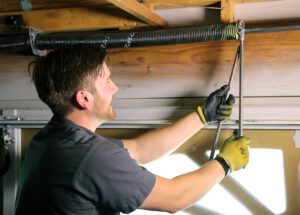
Avoid attempting repairs without the proper tools or training. Garage door cables operate under high tension, and a sudden snap can release a force strong enough to damage parts and create injury risk. The safest choice is to contact a technician who can inspect the system, select the correct cable, and complete a secure installation.
Garage Door Cable Types Commonly Used in Mesa, Arizona Homes
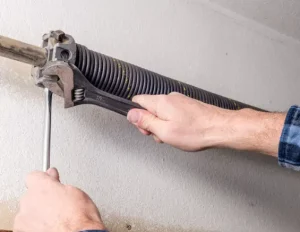
Garage door systems typically use one of two main cable setups, depending on the installed spring design. The most common option is the torsion spring system, where springs sit on a shaft above the garage door opening. Torsion cables connect to the lower corners of the door and wrap around drums on each end of the shaft, helping deliver smooth, evenly balanced lifting power.
The second option is the extension spring system. In this design, long springs stretch along the horizontal tracks on both sides of the door. The garage door cable runs through pulleys and links the springs to the door, supporting controlled movement as the springs extend and contract. Many extension systems also include a safety cable threaded through the spring as an added backup feature.
Knowing which garage door cable type your system uses is helpful for homeowners, but a trained technician should always handle accurate diagnosis and cable repair.
| Cable System Type | Description | Common Feature |
| Torsion Spring Cables | Used with a torsion spring system mounted above the door. The cables wind onto drums to lift the door evenly. | Provides a smooth, balanced lift for heavier doors. |
| Extension Spring Cables | Paired with springs that run along the sides of the door tracks. The cables connect the springs to the door. | Often includes a secondary safety cable for protection. |
Old House notes that cable design and repair needs vary by spring system type, which is why torsion and extension setups require different cable configurations.
Common Reasons Garage Door Cables May Require Repair
Garage door cables are not built to last forever. Daily operation and local weather conditions gradually wear them down, so cable repair becomes a common need for many homeowners over time. A cable can fail suddenly, but the damage usually develops slowly through repeated use. Friction, moisture, and ongoing tension add up year after year, weakening the strands until the system can no longer operate safely or smoothly.
For the sneaky, easy-to-miss causes that speed up cable failure, read Common Causes of Garage Door Cable Damage Homeowners Overlook.
Everyday Wear and Tear Affecting Garage Door Cables
Like other moving parts, garage door cables wear down over time. Each time the door opens or closes, the cables tighten and release as they wind and unwind around the drums. This repeated cycle places heavy tension on the cables while they lift a substantial load. Over the years, that constant movement gradually weakens the metal strands, reducing the cable’s overall strength.
As wear increases, friction can cause small wire strands to snap and separate from the main cable. This is known as fraying, and it is one of the earliest signs of cable failure. If a homeowner ignores these warning signals, the cable continues to weaken until it breaks, leaving the door unsafe to operate and requiring urgent garage door repair.
Key signs you may notice include:
- Fraying or fuzzy sections along the cable.
- Splitting, where the cable separates into multiple thin strands.
- Rust or orange discoloration that further weakens the metal.
If any of these issues appear, schedule an expert inspection right away. Early repair helps protect your garage door system, prevents damaged parts, and restores smooth, reliable performance.
Environmental Factors Unique to Mesa, Arizona That Impact Garage Door Maintenance
Mesa’s dry heat, paired with windblown dust and debris, can cause garage door systems to wear faster than expected. Fine sand can collect on torsion spring cables and inside pulleys, increasing friction during every cycle. Even in a low-humidity climate, occasional rain or routine washing can introduce moisture. Without proper protection and regular lubrication as part of routine garage door maintenance, cables may develop rust and corrosion, which can weaken the steel over time.
If one garage door cable snaps, the door should not be used until the cable is replaced. Operating the system with a failed cable transfers all the tension to the remaining cable and spring, increasing the chance that the door drops unexpectedly. This can leave parts damaged and create a serious safety concern for any homeowner.
Environmental conditions that can shorten cable life include:
- Dust and sand are grinding against cables and pulleys, increasing wear.
- Moisture leads to rust and corrosion, reducing cable strength.
- Large temperature swings cause metal to expand and contract, which can affect long-term durability.
Clear Signs It Is Time to Call for Garage Door Cable Repair Near Me
Knowing when to schedule professional garage door cable replacement helps you avoid sudden issues and protect your home. A failing garage door system usually shows clear warning signs before it stops working. When homeowners pay attention early, they can maintain safe operation and keep the door moving smoothly and reliably.
Unusual noises and visible damage are strong reasons to stop using the door and arrange garage door repair right away. In the next section, we will cover the specific symptoms that signal your door cables need fast expert garage door service.
Unusual Noises or Jerky Door Movements
One of the first signs of trouble in your garage door system is a change in sound. If you hear grinding, clanking, or loud popping noises during operation, the garage door cables may be wearing down. These sounds often mean a cable is rubbing against the drum or slipping out of alignment. That extra friction increases system tension and can accelerate cable failure.
You should also check how the garage door moves. A healthy door should travel up and down evenly and without hesitation. If you notice the door pausing, shaking, or moving in a jerky manner, it may be due to uneven tension from a weakened cable. When the door is not level, it puts added strain on the opener and other parts, which can cause additional damage if left untreated.
If you notice any of these issues, schedule a professional garage door repair inspection:
- Loud snapping or banging sounds.
- Grinding or scraping noises as the door moves.
- Shaking or jerky movement during opening or closing.
Visibly Frayed, Slack, or Rusted Cables
A quick inspection can tell a homeowner a lot about the condition of the garage door cable. Check the cable closely. If you notice thin wire strands sticking out and the cable appears rough or “shaggy,” fraying has started. Frayed cables lose strength quickly, increasing the likelihood of failure. In this situation, replacement should be scheduled right away.
Slack cables are another clear warning sign. Garage door cables should stay tight when the door is closed. If one or both cables hang down or seem loose, they may slip off the drums, twist, and push the door out of alignment. You may also spot rust or dark staining on the cable surface. Corrosion weakens the metal and raises the chance of a sudden snap.
Many homeowners wonder if cable replacement can be handled without expert help. Because cables carry high tension, specialized tools are required to manage that tension safely. Without the correct tools and training, do-it-yourself cable work creates a serious safety risk.
Key signs to check for:
- Frayed wire strands are separating from the main cable.
- Noticeable slack in one or both cables.
- Visible rust or dark stains along the cable surface.
Angi’s garage door inspection guide notes that frayed strands, slack, or corrosion on cables are reliable warning signs of imminent failure and should be handled before the door becomes unsafe.
Safety Risks of Ignoring Faulty Garage Door Cables
Ignoring warning signs of a failing garage door cable creates serious safety risks for any homeowner. These cables carry extreme tension, and when one snaps, the door can drop without warning. A sudden fall may damage a vehicle and cause severe injury in the garage area.
The danger is not limited to the door itself. A broken cable can recoil rapidly, striking nearby objects and damaging surrounding parts. That’s why fast garage door repair is essential, not optional. Prompt professional service restores safe operation, protects your property, and keeps your garage door system reliable.
To catch cable trouble before the door locks up or drops, read Warning Signs Your Garage Door Cables Are About to Fail.
Why Prompt Garage Door Cable Repair Protects Your Family
The main reason to schedule garage door repair quickly when a cable is failing is to avoid serious problems. A garage door is extremely heavy, and the cables are the parts that help support and control that weight. When a cable breaks, the door can become unstable, unsafe to operate, and difficult to use.
Is it risky to use your garage door if one cable has snapped? Yes, it is very risky. The remaining cable cannot safely carry the whole load by itself. This imbalance can cause the door to drop suddenly, creating a major safety concern for any homeowner. Continuing to operate the door in this condition increases the chance of additional parts becoming damaged.
Fast repair helps protect your family by:
- Preventing the door from falling without warning.
- Reducing the chance of a cable snapping under high tension.
- Keeping your garage door system balanced and operating safely every day.
The Dangers of Operating a Garage Door with Damaged Cables
Operating a garage door with a failing garage door cable is extremely risky. The system runs under heavy tension, and when a cable gives out, the change is sudden and dangerous. A snapped cable can recoil with enough force to damage windows, dent vehicles, or seriously injure a homeowner. Even before failure, worn cables can cause the door to shift unevenly, leading to unstable operation.
So if you’re asking, “Should I call a repair service or try DIY garage door cable replacement?” the safest answer is to contact a professional. An expert knows how to manage high tension safely, uses the proper tools, and can remove damaged parts and complete a correct installation. This protects your home and avoids costly follow-up repairs. Handling cables without training can lead to severe injury and additional system damage.
If you continue using a door with damaged cables, common problems include:
- The garage door jumped off its tracks and dropped suddenly.
- A broken cable whipping through the garage with dangerous force.
- Extra damage to tracks, panels, drums, and the opener.
Noticing the signs that show it’s time to call for garage door cable repair is essential for safe, reliable operation. Worn or failing cables can throw off system balance, raise tension on other parts, and lead to sudden breakdowns. When you hear unusual noises, notice jerky movement, or see fraying, rust, or slack cables, act quickly. Timely repair protects your garage door system and helps homeowners avoid major damage and safety risks.
For trusted service in Mesa, Arizona, homeowners can count on JT’s Overhead Doors. Our expert technicians provide thorough inspections, accurate diagnoses, and high-quality garage door cable replacements to restore smooth performance. We focus on safe installation, long-lasting results, and fast support when you need it most. Contact us today or give us a call now to schedule your service and keep your garage door working the way it should.
Frequently Asked Questions
How do I know if my garage door cable is broken or needs attention?
You may notice fraying, rust, loud popping sounds, or a door that moves unevenly or hangs at an angle. When a cable fails, the door can stop mid-travel or lift unevenly on one side. If any of these signs appear, schedule garage door repair right away to restore safe operation.
Should both garage door cables be replaced if only one fails?
Yes. Both cables usually wear at the same pace because they share the same workload. If one cable fails, the other is often close behind. Replacing both supports even tension and helps keep the torsion spring system balanced.
How long does professional garage door cable repair usually take?
In most cases, an expert can complete garage door cable replacement in under an hour. The technician will replace the cables and inspect the full garage door system to confirm proper balance, alignment, and safe operation.
How can I tell if my garage door cable needs to be replaced?
Check for fraying, rust, or strands separating from the cable. Also, watch the door during operation. Warning signs include jerky movement, uneven lifting, or loud cracking sounds. If a cable appears slack or slips off the drum, contact a professional for immediate service.
What steps should I follow to replace a garage door cable myself safely?
DIY cable replacement is not recommended. Garage door cables and springs are under extreme tension, and without proper tools and training, serious injury or additional damage to parts can occur. A trained technician should handle cable replacement and installation.
How much does it typically cost to have a professional replace a garage door cable?
Cost varies by cable type, system design, related repairs, and local labor rates. A professional will inspect your garage door first and provide an accurate estimate based on your specific setup.
What are common mistakes to avoid when replacing garage door cables?
The most common error is attempting replacement without proper tools or knowledge. Other issues include selecting the wrong cable size, failing to maintain correct tension, and skipping inspection of drums, pulleys, and tracks for wear. Expert service avoids these problems and protects system safety.
Do I need to replace both garage door cables if only one is damaged?
Yes. Replacing both at the same time keeps the system balanced because both cables experience similar wear. This supports safe operation and reduces the chance of another failure soon after.
Should I hire a repair service or do a DIY garage door cable replacement?
Hiring a professional is the safest choice. Garage door cables are under heavy tension, and improper handling can cause severe injury and more damage pto the parts. A qualified technician has the right tools, training, and experience to complete a safe replacement and restore smooth operation for your home.
When should I call a professional for garage door cable repair near me?
Call a technician immediately if you see frayed strands, rust, slack cables, uneven door movement, loud snapping sounds, or a door stuck halfway. Early repair protects your springs, opener, and tracks, and helps avoid a complete system breakdown.