
Garage door cables are key parts of a safe, reliable system, working with springs to lift and lower a heavy door during every cycle. When a cable loosens, frays, or snaps, the door may stall, drag, or produce unusual sounds, leaving any homeowner worried about access and safety. In areas with sun and dust, such as Mesa, Arizona, cables can wear out faster without regular inspection and lubrication.
Knowing what causes garage door cable damage helps you respond early and protect other parts, such as drums, tracks, and pulleys. If you notice slack cables, uneven movement, or sudden noise, schedule a professional inspection right away. A skilled technician can confirm the proper cable type for your spring system and complete the installation the same day. Timely garage door repair and preventive service keep the operation smooth, extend cable life, and restore confidence in your garage door.
Understanding the Role of Garage Door Cables in Safe Operation
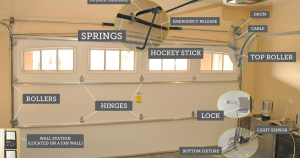
Garage door cables may seem basic, yet they are among the most essential parts in the entire system. These high-strength cables work alongside garage door springs to lift and lower the door’s heavy weight during every cycle. When cables are functioning correctly, the garage door opener can safely and consistently manage the load. For any homeowner, dependable garage door cables are key to balanced performance, smooth travel, and reliable daily operation.
To better understand how your garage door stays secure and efficient, it helps to know precisely what garage door cables do, the main cable types installed in residential systems, and how each design supports long-term durability. Routine inspection and timely service from a qualified technician help confirm proper alignment, maintain safe tension, and reduce the risk of sudden cable damage that could affect other critical parts.
For more helpful details, explore Common Causes of Garage Door Cable Damage Homeowners Overlook.
The Basic Function and Importance of Garage Door Cables
The primary purpose of garage door cables is to transfer the lifting force from the spring system to the bottom of the door, allowing the door to move smoothly whether you operate it manually or with a garage door opener. Because the door is extremely heavy, these cables help ensure balance, even operation, and proper alignment throughout every opening and closing cycle.
When a cable becomes damaged or loses tension, the door may hang unevenly, drag along the track, or fail to open at all. Common signs that garage door cables need professional replacement include visible slack, frayed strands, or a cable slipping off the drum. These issues show that the system is no longer functioning safely.
Ignoring these signs can cause unnecessary tension on the garage door opener and other essential parts, leading to more extensive system damage and higher repair costs. Prioritizing cable condition is key to long-term system reliability and quality performance.
InterNACHI inspection guidance warns that as spring-supported door components wear, they can become functional and safety hazards if not serviced early.
For a fast, clear checklist of what to watch for, dive into Warning Signs Your Garage Door Cables Are About to Fail.
Types of Garage Door Cables: Torsion Spring vs. Extension Spring
Garage door cables vary based on the spring system installed, and selecting the correct cable is essential for safety and long-term performance. Installing the wrong type can lead to uneven lifting, faster wear, and unexpected system failure. Identifying your spring setup helps confirm that the proper replacement cables are used during service.
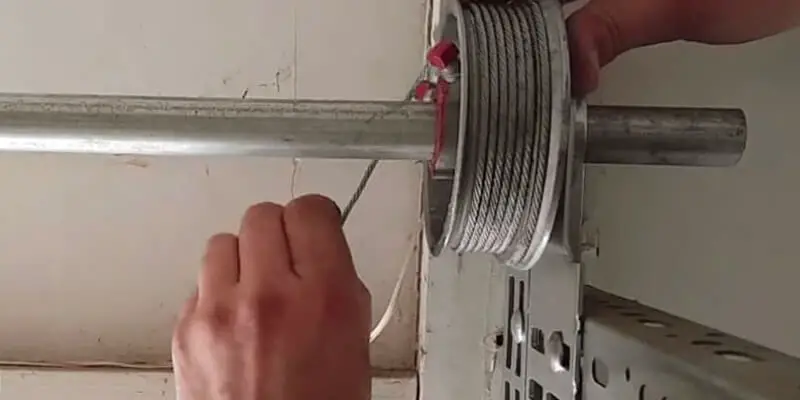
A torsion spring system uses one or two heavy springs mounted on a steel shaft above the door opening. In this design, cables connect to the bottom brackets and wind around drums located at each end of the torsion bar, allowing controlled lifting with consistent tension. An extension spring system, on the other hand, has springs mounted along the horizontal tracks and relies on pulleys to guide the cables as the door moves.
Choosing the right replacement cable for your specific spring system supports balanced operation, smoother travel, and reduces the chance of a sudden garage door cable snap that could damage other critical parts.
| System Type | Cable Function | Location |
| Torsion Spring | Connects the spring to the bottom of the door, winding on a drum. | Mounted on a metal bar above the door. |
| Extension Spring | Runs through a pulley system to help lift the door. | Located on each side of the door, parallel to the tracks. |
If you want to know the exact moment repair becomes urgent, read Signs It Is Time to Call for Garage Door Cable Repair Near Me.
How Garage Door Cables Contribute to Home Safety and Convenience
Garage door cables protect your home by controlling high tension through every lift and lowering cycle. If a cable fails, the door can drop quickly, jam in place, or tilt at an unsafe angle. This abrupt movement may damage nearby parts and cause serious safety concerns inside the garage. Routine inspection for rust, frayed strands, or shifting tension helps reduce failure risk and supports long-term stability.
These cables also improve daily convenience. Strong, well-maintained cables help the garage door opener operate smoothly so that the homeowner can enter and exit without delays. When cables stay in high-quality condition, the system remains balanced, allowing the door to travel quietly and efficiently with steady control.
When wear becomes visible—such as corrosion, broken strands, or unraveling—garage door cable repair may not restore reliable performance. In many situations, complete replacement is the most effective solution. Temporary solutions cannot return correct tension and may lead to additional system damage over time.
Keeping garage door cables in good condition is essential for smooth operation, reliable safety, and consistent performance from your garage door opener.
Routine inspection is important because misalignment, uneven spring tension, or corrosion can shift additional load onto the cables and shorten their life. This homeowner’s guide walks through common cable wear patterns and why doors start lifting unevenly when cables weaken.
Common Causes Behind Garage Door Cable Damage
Garage door cables lose strength over time, and several factors speed up that decline. Daily cycling, changing weather, moisture exposure, and long-term system wear increase tension, which can cause cables to fray or snap, requiring garage door repair. Understanding the common causes of cable damage helps homeowners notice early trouble before a sudden failure. Addressing these concerns early supports safer, smoother door movement and preserves overall system performance.
In many situations, cable wear starts well before a homeowner notices visible fraying or slack. Subtle changes—such as uneven lifting, slight cable sagging, or inconsistent travel—often indicate that weight distribution is shifting and that the cables are weakening. When this happens, the springs and garage door opener must handle an extra load, which speeds up wear across multiple parts. By watching for early warning signs, scheduling routine inspections, and selecting high-quality service from an expert when needed, you reduce the risk of unexpected cable failure and support long-term reliability for your garage door.
Wear and Tear from Everyday Use
Daily operation is the leading cause of garage door cable failure. A garage door is heavy, and each time it opens or closes, the cables must manage significant tension to support the weight. Over time, repeated movement can weaken, stretch, or cause the metal strands to break.
Most garage door cables last five to seven years, depending on how often the system is used and the quality of routine maintenance. Even with consistent garage door maintenance, every cable eventually reaches the end of its service life.
Because both cables receive the same level of tension each day, experts recommend replacing them as a pair. If one cable breaks, the second is usually close to failing as well. Replacing both helps maintain balanced tension and keeps the door operating smoothly, reducing the chance of another breakdown shortly after a repair.
Impact of Poor Garage Door Maintenance on Cable Longevity
Skipping essential garage door maintenance is one of the fastest ways to shorten cable lifespan. While the cables themselves do not need lubrication, the surrounding parts do. Springs, rollers, and pulleys require proper lubricant to limit friction and keep movement smooth. Without lubrication, these parts drag during operation, placing extra tension on the system.
Excess friction forces the cables and garage door opener to handle a load beyond their design limits, increasing tension and accelerating cable wear. Squeaking, scraping, or grinding sounds are common warning signals that maintenance is overdue and early wear may already be developing.
Although many cables last 5 to 7 years, poor maintenance can significantly shorten that lifespan. A trained technician can inspect the whole system, identify worn garage door springs, misaligned parts, or uneven tension, and correct these concerns before they damage the cables. This type of preventive service reduces the risk of sudden repair needs and supports long-term, reliable performance.
Environmental Factors: Rust, Moisture, and Temperature Changes
Environmental conditions can significantly affect the durability of garage door cables. Moisture is one of the most harmful causes because it creates rust, weakening steel strands and increasing the chance of garage door cable failure.
High humidity, frequent rain, snow, and road salt tracked into the garage can speed up corrosion. Other environmental causes that wear down garage door cables include:
- Extreme temperature fluctuations: Metal expands in heat and contracts in cold, gradually reducing cable strength.
- Dust and debris: Dirt buildup increases friction on moving parts, leading to early wear.
- Coastal air: Homes near the coast face faster corrosion from airborne salt, which accelerates rust on cables and other metal parts.
Understanding how these conditions affect your system helps a homeowner protect garage door cables and maintain stable, reliable operation throughout the year.
When to Call for Professional Garage Door Cable Repair Near Me
When you notice an issue with your garage door cables, it may be tempting to handle the repair yourself. However, this is a task best left to a trained technician. A garage door system operates under intense tension, and attempting a garage door cable repair without proper tools and experience can create serious safety risks. An expert can safely complete the service, confirm proper cable alignment, and restore smooth, reliable operation in the long term.
The Risk of DIY Garage Door Cable Repairs
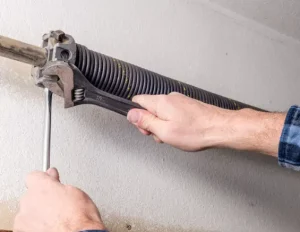
Handling a garage door cable issue on your own may seem like a smart way to reduce costs. However, the parts inside a garage door system—especially cables and springs—operate under extreme tension and require precise handling. Without the right tools and training, a do-it-yourself attempt can worsen the damage, throw the door out of balance, or create a serious safety hazard. A snapping cable can cause sudden, forceful movement, and many homeowners do not notice early wear until failure happens. That is why scheduling a professional inspection is the safest path to restore smooth, reliable operation.
Understanding the Average Cost of Garage Door Cable Repair
When planning professional garage door service, it is natural for a homeowner to consider cost. The price may feel higher than expected at first, yet choosing a trained technician lowers safety risks and reduces the risk of additional expenses that can result from incorrect DIY work. Expert service also confirms your garage door operates correctly and securely, protecting your home while supporting long-term system performance.
So, what should you expect to budget for garage door cable replacement? Costs vary, and there is no single rate that fits every situation. Several factors shape the final price, including your location, the spring system used (torsion or extension), and whether other worn parts also need replacement. A professional will inspect the damaged cables, explain the required steps, and share a precise estimate before beginning installation. This keeps everything transparent and helps restore smooth, dependable garage door operation after the repair is complete.
Why Experienced Garage Door Services Matter for Mesa, Arizona Homeowners
For Mesa, Arizona, homeowners, selecting an experienced professional for garage door services is essential for long-term safety and dependable performance. A trained technician has the proper tools and knowledge to handle parts under intense tension, including cables and springs. With expert evaluation, the technician can identify the source of the problem and recommend the appropriate service, whether that means replacing the garage door cable, servicing the springs, or conducting a complete system inspection.
Many replacement parts are available at standard hardware stores, yet experienced garage door professionals use manufacturer-approved parts designed for your exact door model. These high-quality parts are sized correctly, built for durability, and reduce the risk of improper installation. Working with a professional removes uncertainty and helps protect your garage door from added damage caused by mismatched or low-grade parts.
Once service begins, the technician checks alignment, confirms balanced tension, and verifies smooth door travel. This careful process keeps the system stable, quiet, and reliable for daily use.
Understanding the causes of garage door cable damage helps Mesa homeowners protect their systems before a sudden failure. Warning signs like fraying, slack, uneven lifting, or corrosion should never be ignored. If you need garage door cable repair near you, reach out to JT’s Overhead Doors today. Our skilled technicians provide high-quality cable replacement and complete system inspection to restore safe operation. Give us a call or contact us now to schedule service and keep your garage door performing the way it should.