

If your garage door starts closing and then suddenly goes back up, it can be confusing and frustrating. Many homeowners in Mesa, AZ, experience this garage door repair issue and assume something major is broken. In reality, a reversing garage door is often your system trying to protect itself.
Garage doors are designed to reverse when they detect something is not right. This safety feature helps prevent damage and reduces the risk of injury. However, when the door reverses repeatedly without a clear reason, it usually means something within the system needs attention. This guide explains what causes a garage door to reverse midway, how to identify the exact issue, and what signs indicate the problem may be getting worse.
Why Garage Doors Reverse Midway
Garage door systems are built with safety and resistance detection. When the opener senses anything unusual, such as pressure, misalignment, or signal interruption, it automatically reverses direction.
This behavior is normal when there is an obstruction. But when no object is present, the system is reacting to something less obvious. In Mesa, conditions like dust, heat, and frequent use can make these issues more noticeable and increase the need for consistent garage door service to keep the system operating reliably.
If your garage door works normally sometimes but stops halfway other times, read Why Your Garage Door Stops Halfway at Certain Times.
Common Causes of Garage Door Reversal
Sensor Beam Interruption
Safety sensors are one of the most common reasons a garage door reverses midway. These sensors send an invisible beam across the bottom of the door opening. If the beam is interrupted, the door will reverse.
Even if nothing is physically blocking the path, the system may still detect a problem.
What causes it:
- Dust buildup on sensor lenses
- Slight misalignment
- Sunlight glare
- Small objects near the sensors
What to watch for:
- The door reverses immediately after starting to close
- Sensor lights blink or flicker
- The issue happens more during certain times of day
In Mesa, dust accumulation is a major factor. Even a thin layer can weaken the signal enough to trigger a reversal.
Resistance in the Door’s Movement
Garage door openers monitor resistance during operation. If the system detects more resistance than expected, it assumes something is blocking the door.
This can happen even when the obstruction is not visible.
What causes it:
- Dirty or rough tracks
- Worn rollers
- Slight misalignment
- Lack of lubrication
What to watch for:
- Door closes partway, then reverses
- Slight hesitation before reversing
- Increased noise during movement
This type of issue often builds over time and becomes more noticeable as parts wear down.
Incorrect Limit Settings
Limit settings control how far your garage door travels when opening and closing. If these settings are off, the system may think the door has reached the ground before it actually has.
When this happens, the opener may reverse the door as a safety response.
What causes it:
- Settings shifting over time
- Improper adjustments
- Changes in door alignment
What to watch for:
- The door reverses at the same point every time
- No visible obstruction or resistance
This is one of the more consistent types of reversal issues.
Close-Force Sensitivity Is Too High
Close-force settings determine how much pressure the door can apply before reversing. If the system is too sensitive, even minor resistance can trigger a reversal.
What causes it:
- Overly sensitive settings
- Normal friction is interpreted as resistance
What to watch for:
- The door reverses without touching anything
- The issue happens consistently regardless of conditions
This type of problem is often related to calibration rather than physical damage.
Opener sensitivity and force settings can affect how the system responds to resistance, which may cause the door to reverse unexpectedly.
Track Misalignment
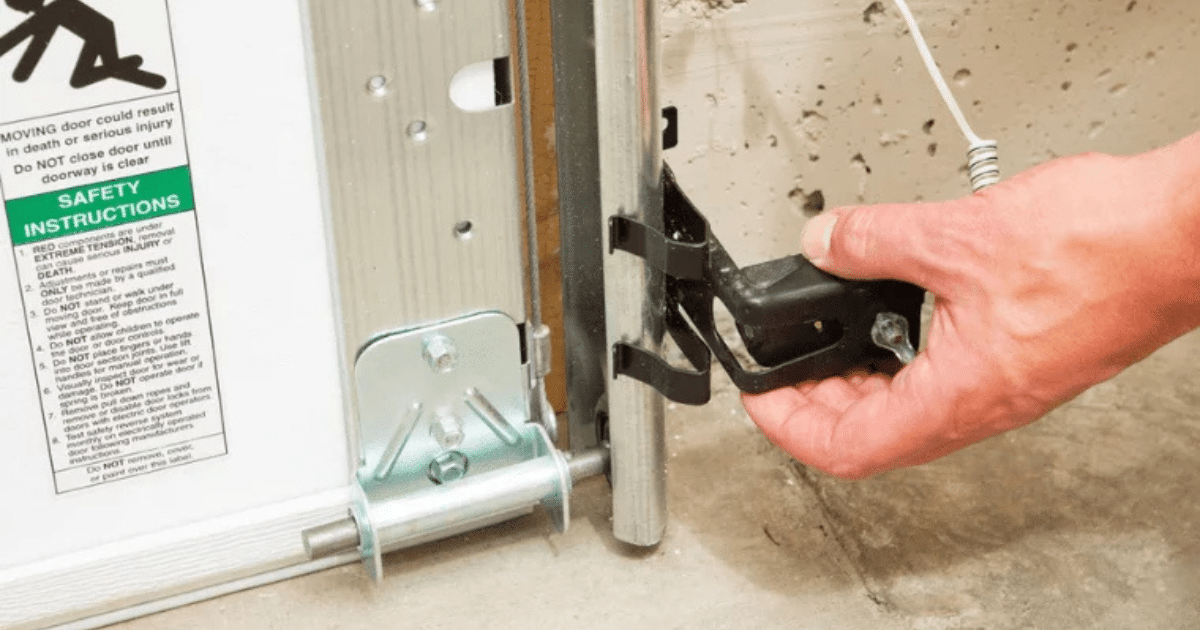
Tracks must remain straight and properly aligned for smooth operation. Even a slight shift can create resistance that triggers the system to reverse.
What causes it:
- Loose mounting brackets
- Minor bending from impact
- Wear over time
What to watch for:
- The door appears uneven while moving
- One side moves differently from the other
- Reversal occurs during certain parts of the track
In many cases, the misalignment is subtle and not immediately obvious.
Misaligned tracks and hardware issues can interfere with smooth movement and lead to inconsistent garage door behavior.
Worn or Damaged Rollers
Rollers help guide the door along the tracks. When they wear down, they create friction that can interfere with smooth movement.
What causes it:
- Age and repeated use
- Lack of lubrication
- Material wear
What to watch for:
- Grinding or squeaking sounds
- Jerky movement
- Slower operation before reversing
Roller wear is common in systems that have not been maintained regularly.
Hidden Obstructions or Buildup
Not all obstructions are easy to see. Small debris or buildup inside the track can create enough resistance to trigger a reversal.
What causes it:
- Dirt accumulation
- Small objects in the track
- Residue buildup over time
What to watch for:
- Door reverses at inconsistent points
- Slight shaking before reversing
These issues are often overlooked because they are not immediately visible.
Electrical or Signal Issues
Garage door openers rely on consistent electrical input. Fluctuations or signal interruptions can affect how the system responds.
What causes it:
- Power fluctuations
- Wiring issues
- Signal interference
What to watch for:
- Delayed response
- Inconsistent operation
- Random reversals
While less common, electrical issues can still contribute to this problem.
How to Identify the Exact Cause
Observe the Timing of the Reversal
- Immediate reversal → likely sensor issue
- Midway reversal → likely resistance or track issue
- Near closing → likely limit or force setting
Check for Patterns
Ask yourself:
- Does it happen at the same point every time?
- Does it occur during certain conditions?
- Does it worsen over time?
Patterns can help narrow down the cause.
Listen to System Behavior
Sounds often provide clues:
- Grinding → worn parts
- Clicking → system reacting to resistance
- Silence with reversal → sensor issue
Why You Should Not Ignore This Problem

A reversing garage door may seem like a minor inconvenience, but it often signals that the system is under stress.
Ignoring the issue can lead to:
- Faster wear on parts
- Increased strain on the opener
- More frequent malfunctions
- Reduced system lifespan
Addressing the issue early helps prevent more serious problems.
If your garage door stops halfway and you want to know when professional service makes sense, read When to Call a Pro for a Garage Door That Stops Halfway.
How to Reduce Garage Door Reversal Issues
Keep Sensors Clean
Dust is a major issue in Mesa. Cleaning sensors regularly helps maintain a strong signal.
Inspect Tracks and Remove Debris
Keeping the tracks clear reduces resistance and helps the door move smoothly.
Maintain Proper Lubrication
Lubrication plays an important role in garage door maintenance by reducing friction and helping prevent unnecessary strain on parts.
Monitor System Performance
Pay attention to changes in:
- Speed
- Noise
- Movement consistency
These signs often appear before major issues develop.
When Reversal Issues Connect to Larger Problems
If your garage door continues to reverse midway, it may be part of a broader issue affecting the system.
Reversal problems often relate to:
- Sensor misalignment
- System imbalance
- Increasing wear on components
For a full breakdown of causes, safety concerns, and next steps, read Garage Door Stops Halfway: Causes, Safety Concerns, and Next Steps.
Why Garage Door Reversal Problems Are More Common in Mesa, AZ
Mesa’s environment increases the likelihood of garage door reversal issues.
- Dust interferes with sensors and tracks
- Heat affects alignment and lubrication
- Frequent use increases wear on parts
These factors make even small issues more noticeable.
Restore Smooth, Safe Garage Door Operation in Mesa, AZ
A garage door that reverses midway is often responding to a problem within the system. While the safety feature is working as intended, repeated reversals should not be ignored.
If your garage door continues to reverse, struggles to close, or behaves inconsistently, it may be time for a professional inspection. JT’s Overhead Doors helps homeowners in Mesa, AZ, identify the cause of reversal issues and restore proper operation. Contact us today or give us a call to schedule your inspection and keep your garage door working safely and reliably.