

A garage door that stops halfway can seem like a minor garage door repair issue at first. Maybe it happens once, then it works fine again. Over time, that small interruption can turn into a bigger problem that affects your safety, your schedule, and your home’s security.
For homeowners in Mesa, AZ, knowing when to call a professional is important. The local environment, combined with daily use, can speed up wear on garage door systems. Waiting too long can lead to more damage, while acting early helps keep the system reliable. This guide explains when a garage door problem goes from minor to serious, what signs you should not ignore, and how to decide the right time to bring in a professional.
Why Some Garage Door Problems Need Immediate Attention
Garage doors are not simple systems. They rely on tension, balance, and precise movement. When something goes wrong, the system can still operate for a short time, but it may not be safe.
A door that stops halfway often means the system is struggling. It may still open and close, but it is no longer working the way it should.
In Mesa, heat, dust, and frequent use can push small issues to become serious faster than expected.
If you want insight into timing-related garage door problems, read Why Your Garage Door Stops Halfway at Certain Times.
Clear Signs It’s Time to Call a Professional
The Door Stops Halfway Consistently
If your garage door stops at the same point every time, this is no longer a random issue. It is a pattern, and patterns usually point to a system problem.
What this may indicate:
- Limit settings are off
- Track alignment is slightly shifted
- Resistance is building in one area
Why this matters:
Consistent behavior means the system is repeating the same error. This is not something that typically resolves on its own.
The Door Feels Heavy When You Lift It
When you disconnect the opener and lift the door manually, it should feel balanced. If it suddenly feels heavy, this is one of the most important warning signs.
What this may indicate:
- Spring tension has weakened
- The system is no longer balanced
Why this matters:
A heavy door can become dangerous. If the system fails, the door may drop suddenly.
You Notice Loud or Unusual Sounds
Garage doors are not silent, but the sound should be consistent. When new noises appear, it often means something is changing inside the system.
What to listen for:
- Grinding sounds
- Popping or snapping
- Straining from the opener
Why this matters:
Noise is often one of the first signs of wear. Ignoring it can lead to more serious damage.
The Door Moves Unevenly
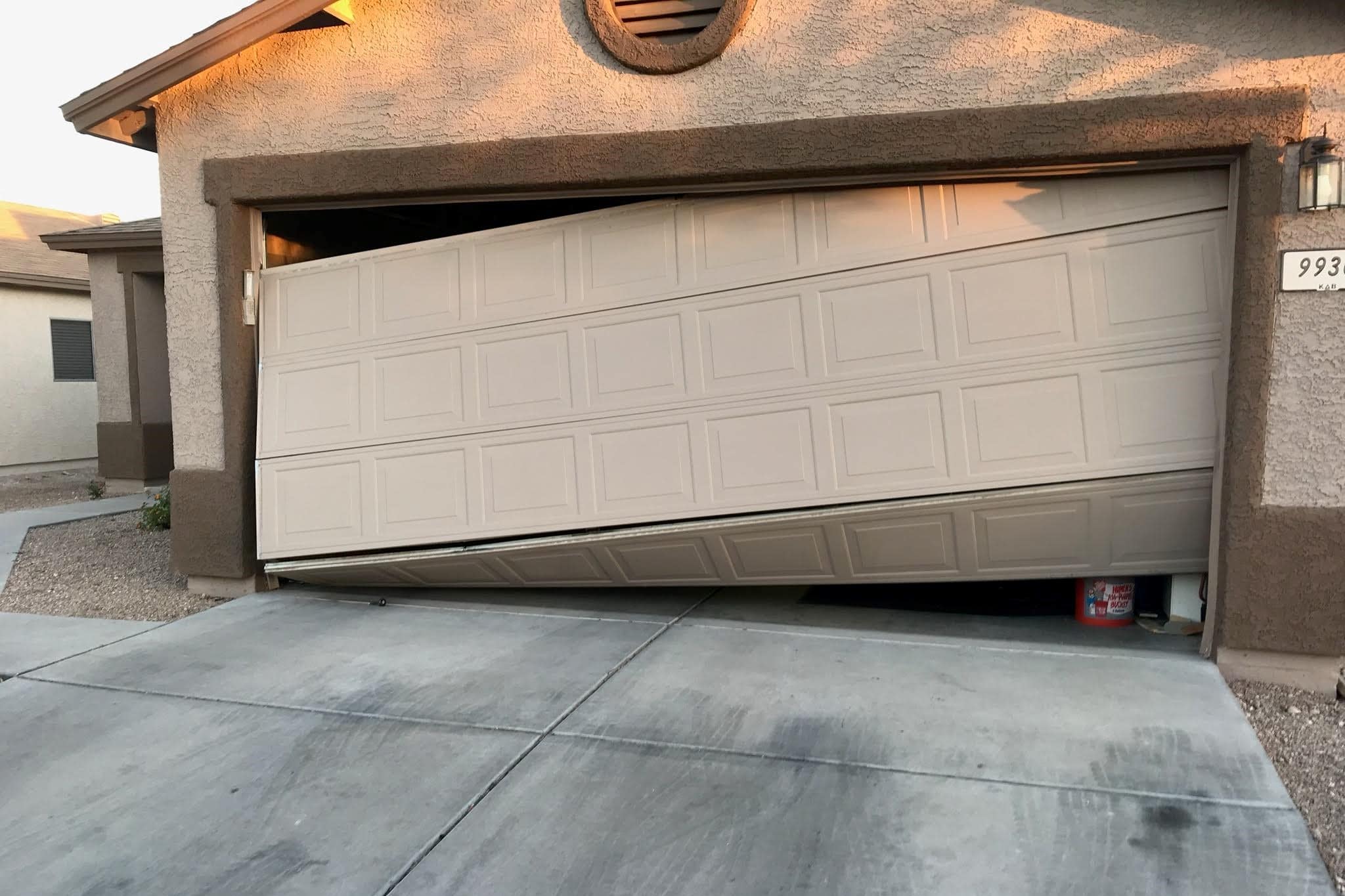
If one side of the door moves faster or higher than the other, the system is likely out of balance.
What this may indicate:
- Cable tension issues
- Track misalignment
- Uneven wear on parts
Why this matters:
An uneven door places stress on the entire system and can lead to failure.
The Door Reverses or Stops Without a Clear Reason
If your garage door stops or reverses and you cannot find an obstruction, the system is reacting to something internal.
What this may indicate:
- Sensor misalignment
- Resistance in movement
- Opener sensitivity issues
Why this matters:
Repeated interruptions mean the system is not operating smoothly.
The Problem Is Getting Worse
Many garage door problems start small. Over time, they become more noticeable.
What to watch for:
- The door stops more often
- Movement becomes slower
- Noise becomes louder
Why this matters:
Gradual changes are often signs of wear that will not improve without service.
Recurring garage door closing problems can point to underlying issues that become more noticeable over time.
The Issue Happens Under Certain Conditions
If your garage door stops halfway during heat, sunlight, or heavy use, it may seem like a minor inconvenience. However, these patterns often point to deeper issues.
What this may indicate:
- Environmental stress on the system
- Early signs of wear
- Sensitivity in sensors or alignment
Why this matters:
Condition-based problems are often early warnings of larger failures.
If you want to know what may be behind a garage door that reverses midway, read What Causes a Garage Door to Reverse Midway.
Situations Where You Should Not Attempt Repairs Yourself
High-Tension Components
Garage door springs and cables operate under high tension. These parts are not designed for DIY handling. Attempting to adjust or remove them without proper tools and experience can lead to injury.
Repeated System Failure
If your garage door continues to stop halfway even after basic checks, it is no longer a simple issue. This means the problem is deeper within the system.
Electrical or Opener Concerns
Garage door openers involve electrical components. Missteps can affect system performance or create safety risks.
Structural Misalignment
Track alignment and system balance require precision. Small errors can make the problem worse instead of better.
DASMA advises homeowners to treat garage doors with caution because moving parts, springs, and related hardware can pose serious safety risks.
What Happens If You Wait Too Long
Waiting to address a garage door issue can lead to several problems:
- Increased wear on moving parts
- Greater strain on the opener
- Higher repair costs over time
- Reduced safety for your household
In Mesa, where environmental conditions already add stress to garage doors, delays can accelerate damage.
How Professionals Evaluate the Problem
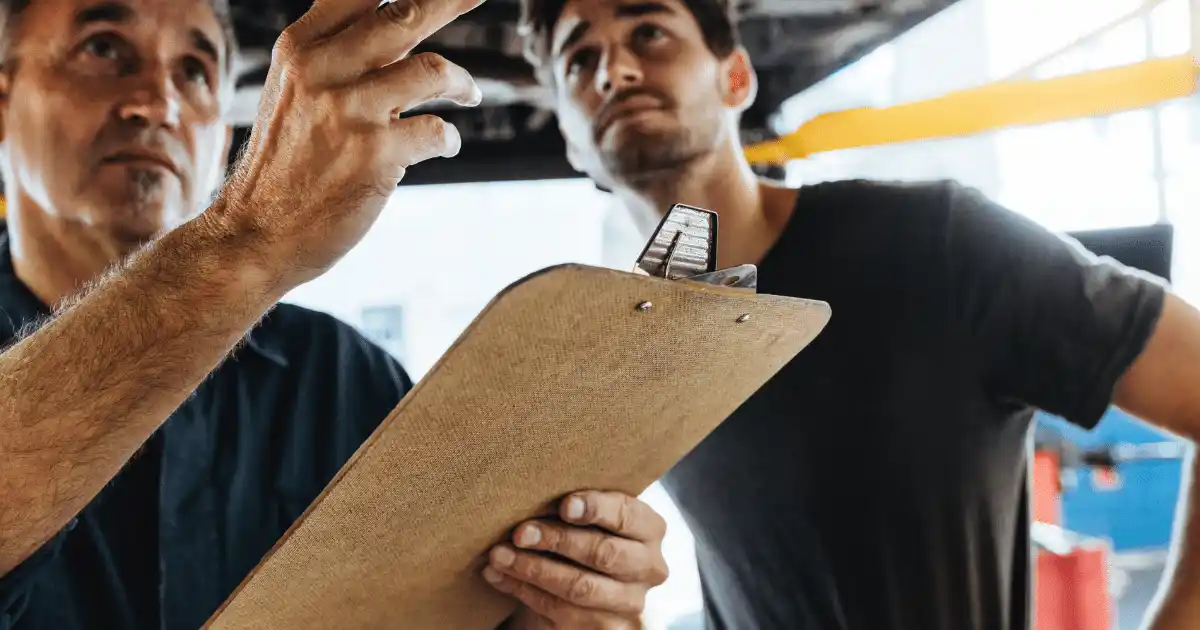
When a technician inspects a garage door, they do not focus on just one part. They evaluate the system as a whole.
This includes:
- Balance and tension
- Alignment of tracks
- Condition of rollers and hinges
- Sensor performance
- Opener settings and response
This approach helps identify both the main issue and any related problems that could develop later.
How to Decide If It’s Time to Call
Ask These Questions
- Has the issue become consistent?
- Does the door feel different than before?
- Are there new sounds or movements?
- Does the problem affect safety or security?
If you answer yes to any of these, it is time to call a professional.
How This Connects to the Bigger Issue
A garage door that stops halfway is rarely an isolated problem. It is often part of a larger system issue.
Understanding the full picture helps you make better decisions about repairs and maintenance. For a complete overview of causes, safety concerns, and next steps, read Garage Door Stops Halfway: Causes, Safety Concerns, and Next Steps.
Why Mesa Homeowners Should Act Early
Garage doors in Mesa face unique challenges:
- High temperatures affect metal parts and tension
- Dust buildup interferes with sensors and tracks
- Frequent daily use increases wear
These conditions make early garage door maintenance more important because a small issue can develop faster and lead to a larger system problem.
Why Garage Door Problems in Mesa Should Be Checked Early
Calling a professional is not just about fixing the current issue. It also helps prevent future problems through timely garage door service.
A proper inspection can:
- Identify worn parts early
- Restore system balance
- Improve overall performance
- Extend the life of your garage door
This proactive approach saves time and reduces long-term issues.
Protect Your Home With Reliable Garage Door Service in Mesa

A garage door that stops halfway is a sign that something is not working as it should. While it may seem manageable at first, the problem can grow quickly if ignored.
If your garage door continues to stop, becomes harder to operate, or shows signs of wear, it is time to take action. JT’s Overhead Doors helps homeowners in Mesa, AZ, identify issues early and restore smooth, safe operation. Contact us today or give us a call to schedule your inspection and keep your garage door working reliably.