
A garage door that stops halfway is one of the most common issues homeowners deal with, especially in places like Mesa, AZ, where heat and dust can affect how systems perform. While it may seem like a small inconvenience at first, this problem often signals that something in your garage door system is not working as it should.
When a garage door stops mid-cycle, it can disrupt your routine, compromise home security, and create potential safety risks. Identifying the cause early and taking the right steps can help prevent further damage and avoid more extensive garage door repair needs. This guide covers the most common causes, outlines key safety concerns, and explains what to do next when your garage door stops halfway.
Top Reasons Your Garage Door Stops Halfway

Safety Sensors Are Not Working Properly
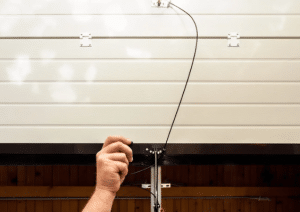
Garage door safety sensors are designed to stop the door if something is in its path. However, when these sensors are dirty, misaligned, or exposed to interference, they can stop the door even when nothing is blocking it.
In Mesa, dust buildup is a frequent issue. Fine particles can cover the sensor lenses and disrupt the signal. You can learn more about how garage door sensors work to understand how small issues can affect performance.
What to check:
- Dust or dirt on the lenses
- Blinking or unstable indicator lights
- Objects near the sensor path
Tip:
Regular cleaning helps maintain proper sensor function.
If the problem continues or worsens, it is best to act early. Knowing when to call a professional can help prevent further damage. Learn more in When to Call a Pro for a Garage Door That Stops Halfway.
Spring Tension Problems
Garage door springs carry most of the door’s weight. When they begin to weaken, the system may not have enough support to lift the door fully.
This issue does not always show up right away. In many cases, the spring gradually loses strength until the door starts stopping midway. Understanding the garage door spring system helps explain why this happens.
What to check:
- A gap in the spring
- A sudden snapping sound
- A heavy feel when lifting the door manually
Safety note:
Spring systems are under high tension and should only be handled by trained professionals.
Track Misalignment or Obstruction
Tracks guide the garage door as it opens and closes. If they become misaligned or blocked, the door may stop halfway.
Even small debris can affect movement. In Mesa, dirt and dust often collect inside the tracks, which can lead to resistance over time.
What to check:
- Dirt or buildup in the tracks
- Bent or uneven sections
- Rough or uneven movement
Tip:
Keeping tracks clean and aligned helps prevent unnecessary strain.
Worn Rollers or Hinges
Rollers and hinges play a key role in smooth operation. As these parts wear down, they can create resistance that stops the door mid-cycle.
This type of issue often builds over time before becoming noticeable.
What to check:
- Grinding or squeaking sounds
- Visible wear on rollers
- Jerky or uneven motion
Tip:
Routine lubrication helps extend the life of these parts.
Opener Limit Settings Are Off
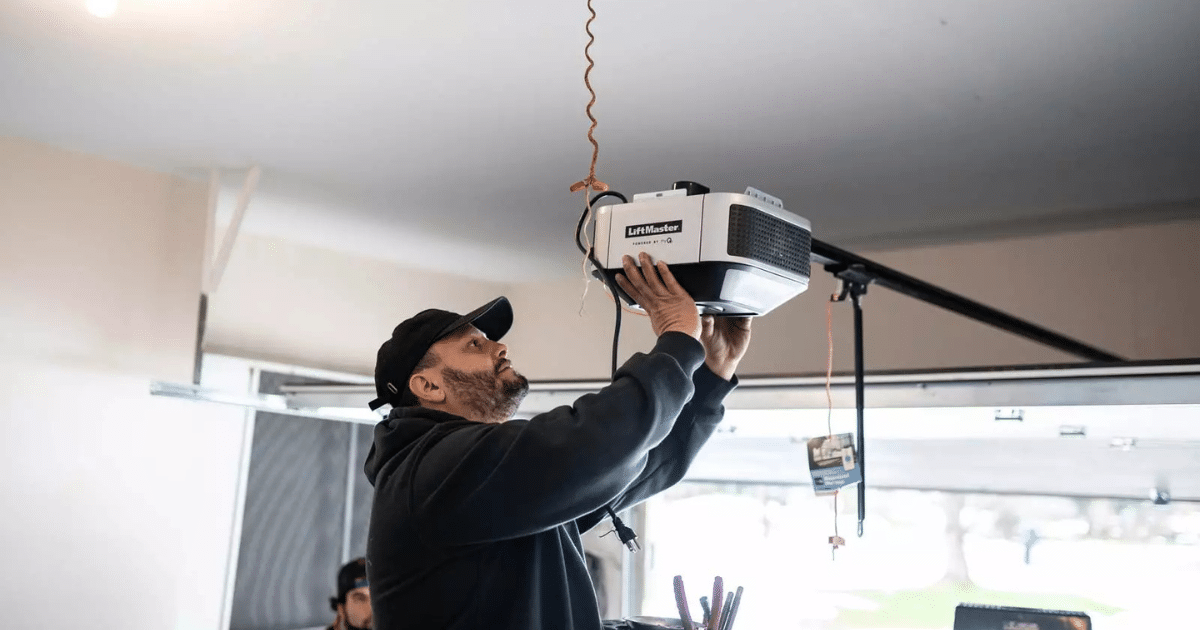
Garage door openers are programmed to stop at certain points. If the limit settings shift, the opener may stop the door before it reaches the fully open or closed position.
This can happen even if there are no visible issues with the door itself.
What to check:
- The door stops at the same spot each time
- The opener shuts off without resistance
Garage Door Opener Performance Issues
The opener motor provides the power needed to lift and lower the door. If the motor starts to weaken, it may not be able to complete the full cycle.
This is more common in older systems or doors that have become heavier over time.
What to check:
- Slow operation
- Unusual sounds
- Inconsistent performance
Cable Imbalance or Wear
Cables work alongside the springs to lift the door evenly. When a cable becomes worn or loose, the door may become unbalanced and stop halfway.
What to check:
- Frayed cables
- Uneven door alignment
Safety note:
Cable systems require professional handling.
Safety Concerns You Should Take Seriously
A garage door that stops halfway can create serious safety risks if ignored. Following proper garage door safety guidelines can help you better understand how to protect your home and family.
Risk of Sudden Door Movement
If a spring or cable fails, the door can drop unexpectedly. This can cause damage or injury.
Reduced Security
A garage door that does not close fully leaves your home exposed. This is especially important for homeowners in Mesa, where garages are often used as main entry points.
Increased System Wear
When one part struggles, other parts take on more tension. This can lead to faster wear and additional issues, making early garage door service important for preventing more extensive system problems.
What to Do When Your Garage Door Stops Halfway
Start With a Basic Inspection
Look for visible issues such as:
- Debris in the tracks
- Misaligned sensors
- Loose or worn parts
This helps identify simple problems early.
Test the Door Manually
Disconnect the opener and lift the door by hand.
- A heavy door may indicate spring issues
- Resistance may point to track or roller problems
Avoid Forcing the Door
Forcing the door can damage parts and increase safety risks.
If your garage door starts closing and then suddenly changes direction, read What Causes a Garage Door to Reverse Midway.
How to Prevent Your Garage Door From Stopping Halfway
Keep Key Areas Clean
Dust and debris can affect sensors and tracks. Regular cleaning helps maintain smooth operation.
Maintain Proper Lubrication
Applying lubricant to moving parts reduces friction and helps prevent wear.
Follow a Maintenance Routine
Using a garage door maintenance checklist helps ensure that important areas are inspected regularly.
Watch for Early Signs
Pay attention to unusual sounds or slower movement. These signs often appear before a major issue develops.
When Patterns and Timing Matter
Sometimes, this issue is not just about parts wearing out. It can also be related to when and how the door is used. For example, some homeowners notice that the problem only happens at certain times of the day or under specific conditions.
Environmental factors such as temperature changes can influence door performance, as highlighted in this overview of how weather affects door systems.
If you are experiencing this, you may want to explore Why Your Garage Door Stops Halfway At Certain Times for a deeper explanation of timing-related issues.
What Mesa Homeowners Should Know About Garage Door Wear
Garage doors in Mesa face unique conditions that can affect performance.
- High temperatures can impact metal parts
- Dust buildup can interfere with sensors and tracks
- Frequent use adds stress to moving components
These factors make regular garage door maintenance especially important in this area.
Stop Halfway Issues Before They Get Worse
A garage door that stops halfway is a sign that your system needs attention. While some issues are easy to spot, others require professional inspection to ensure safe and reliable operation.
If your garage door continues to stop, makes unusual sounds, or feels unbalanced, it is time to take action. JT’s Overhead Doors helps homeowners in Mesa, AZ, restore proper garage door function with dependable service. Contact us today or give us a call to schedule an inspection and keep your garage door working the way it should.