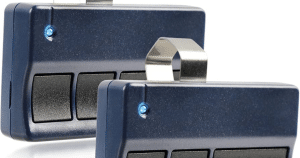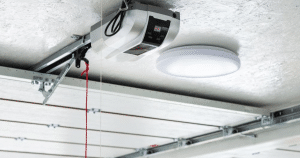


If your garage door works fine in the morning but suddenly stops halfway through the day, it can feel unpredictable and frustrating. Many homeowners in Mesa, AZ, experience this type of issue where the problem does not happen every time, only under certain conditions.
At first, it may seem random. In reality, there is usually a pattern behind it. Garage doors are sensitive systems that respond to environmental changes, usage patterns, and small performance shifts. When these factors line up, they can cause the door to stop midway, even if everything seemed fine earlier. This guide explains why your garage door stops halfway at certain times, what triggers these patterns, and how to recognize the early signs before the issue becomes consistent and leads to more serious garage door repair needs.
Why Timing-Based Garage Door Issues Happen
A garage door system depends on balance, alignment, and consistent operation. When one part reacts differently due to temperature, light, or usage, the entire system can behave differently depending on the time of day.
Unlike constant problems, timing-related issues are harder to notice at first. They do not happen every time, which makes them easy to ignore. However, these types of issues often signal that something is starting to change within the system.
For homeowners in Mesa, timing-related problems are more common due to heat, dust, and strong sunlight throughout the day.
If you want to understand why your garage door reverses before finishing its cycle, read What Causes a Garage Door to Reverse Midway.
Common Reasons Your Garage Door Stops Halfway at Certain Times

Sunlight Interferes With Safety Sensors
One of the most overlooked causes of timing-related issues is direct sunlight. Garage door sensors rely on an invisible beam between two points. When sunlight hits the sensor at the right angle, it can interrupt that signal.
In Mesa, this is especially common during late afternoon hours when sunlight enters the garage at a low angle.
Why it only happens at certain times:
- The angle of the sun changes throughout the day
- Sensors may work normally when shaded
- Glare becomes stronger during specific hours
Signs to watch for:
- The door stops only during sunny periods
- The issue disappears in the evening or early morning
- Sensor lights flicker or behave inconsistently
Heat Changes How Parts Fit and Move
High temperatures can affect how garage door parts interact. Metal components expand in heat, which can slightly shift alignment or increase tension in certain areas.
This change is often small but enough to affect performance.
Why it happens at certain times:
- Temperatures rise throughout the day
- Expansion is more noticeable during peak heat
Signs to watch for:
- The door struggles more in the afternoon
- Movement feels smoother in cooler temperatures
- Slight resistance appears during hotter hours
Increased Usage Creates Temporary Stress
Garage doors are often used more during certain times of the day. Morning routines, errands, and evening returns all add repeated cycles to the system.
While the system is designed for regular use, repeated operation in a short time can create temporary stress.
Why it happens at certain times:
- Frequent use builds up strain
- Parts may heat up or shift slightly
Signs to watch for:
- The door works fine at first, but slows down after several uses
- Stopping happens after multiple cycles
Sensor Alignment Changes Slightly Over Time

Even small shifts in sensor alignment can lead to inconsistent behavior. These shifts may not always cause problems, but certain lighting or positioning conditions can make them more noticeable.
Why it happens at certain times:
- Lighting conditions affect sensor performance
- Slight misalignment becomes more noticeable in certain angles
Signs to watch for:
- Random stopping patterns
- Sensor lights are blinking unexpectedly
- Inconsistent operation throughout the day
Lubrication Becomes Less Effective in Heat
Lubrication helps parts move smoothly. However, in high temperatures, lubrication can thin out or lose effectiveness, leading to increased friction.
Why it happens at certain times:
- Heat affects lubricant consistency
- Parts experience more friction during hot periods
Signs to watch for:
- Increased noise during hotter hours
- Slight hesitation in movement
- Rougher operation later in the day
According to a maintenance guide, proper lubrication is essential for reducing friction and maintaining smooth garage door movement in varying temperatures.
Power Supply Changes During Peak Hours
Electrical demand can vary throughout the day, especially during evenings when more appliances are in use. These changes can affect how the garage door opener performs.
Why it happens at certain times:
- Higher demand on the electrical system
- Minor fluctuations affect motor performance
Signs to watch for:
- Slower response from the opener
- Inconsistent opening or closing behavior
The U.S. Department of Energy notes that household electrical demand can fluctuate throughout the day, which may affect how certain systems perform during peak usage periods.
Early Wear Becomes Noticeable Under Certain Conditions
Some parts may already be worn but still functional. However, when the system is under stress from heat, use, or alignment shifts, these worn parts become more noticeable.
Why it happens at certain times:
- Stress reveals underlying issues
- Performance declines under certain conditions
Signs to watch for:
- Gradual increase in stopping frequency
- Slight shaking or uneven movement
- Changes in how the door operates throughout the day
How to Tell If Timing Is the Real Cause
Timing-related issues follow patterns. Paying attention to these patterns can help you identify the root of the problem.
Track When the Problem Happens
Ask yourself:
- Does the door stop at the same time each day?
- Does it happen only during hot or sunny conditions?
Compare Different Conditions
Observe how your garage door behaves:
- Morning vs afternoon
- Sunny vs shaded conditions
- Low usage vs frequent use
Watch for Gradual Changes
Timing issues often start small:
- Slight delays
- Occasional stopping
- Minor resistance
Over time, these can become more consistent if not addressed.
How to Reduce Timing-Based Garage Door Problems
Keep Sensors Clean and Positioned Correctly
Dust and sunlight are common issues in Mesa. Keeping sensors clean and properly aligned helps maintain consistent performance.
Maintain Moving Parts
Regular lubrication reduces friction and helps parts move smoothly, even during temperature changes.
Avoid Overloading the System
Try to avoid repeated use in a short period. Giving the system time to rest can help reduce temporary strain.
Schedule Preventive Inspections
Routine inspections are an essential part of garage door maintenance because they help identify early signs of wear before they turn into more noticeable problems.
If you are unsure whether this problem needs expert attention, read When to Call a Pro for a Garage Door That Stops Halfway.
When Timing Issues Indicate a Larger Problem
If your garage door continues to stop halfway at certain times, it may be a sign that the system is beginning to fail in some areas.
Timing-based issues often lead to:
- Alignment problems
- Increased wear on parts
- System imbalance
For a complete overview of all causes and what steps to take next, read Garage Door Stops Halfway: Causes, Safety Concerns, and Next Steps.
How Mesa Conditions Trigger Timing-Related Garage Door Problems
Mesa’s environment creates conditions that can trigger timing-related issues more often.
- Strong sunlight can interfere with sensors
- High temperatures affect metal parts and lubrication
- Dust buildup impacts movement and performance
These conditions make timely garage door service more important because they can cause garage doors to become more sensitive to timing changes and environmental stress.
Restore Reliable Garage Door Performance in Mesa, AZ
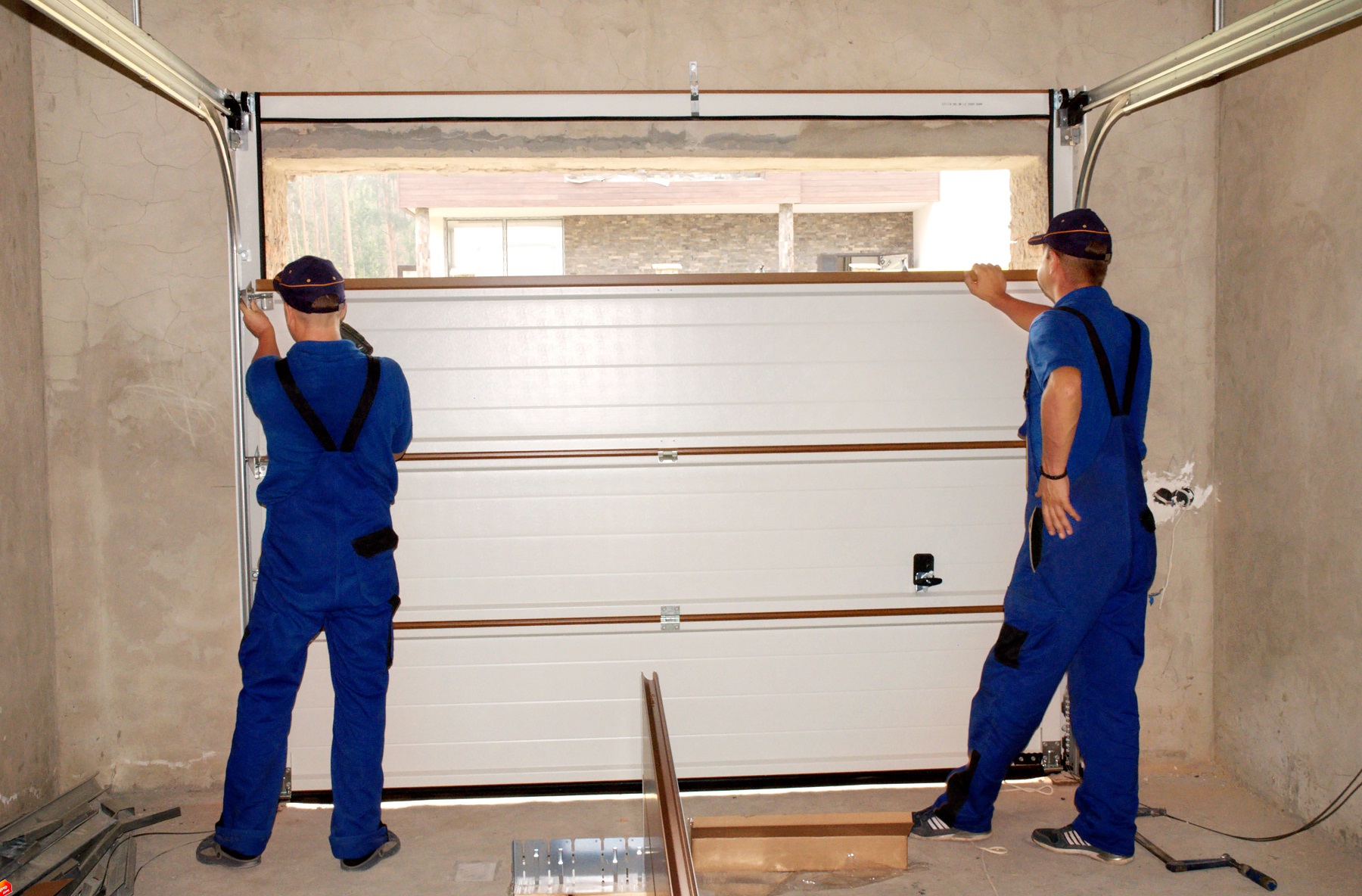
A garage door that stops halfway at certain times may not seem serious at first, but it often signals that something within the system is starting to wear or shift. Addressing it early helps prevent more consistent and costly issues.
If your garage door shows patterns of stopping during certain times, struggles in the heat, or becomes less reliable, it may be time for a professional inspection. JT’s Overhead Doors helps homeowners in Mesa, AZ, identify timing-related issues and restore smooth, reliable performance. Contact us today or give us a call to schedule an inspection and keep your garage door operating the way it should.