
Most opener-related garage door repair jobs cost $100 to $400. Sensor, remote, and keypad fixes usually land at the low end, gear and limit switch repairs fall in the middle, and circuit board or motor repairs reach the high end. If your opener is more than 10 to 15 years old, or the repair would cost more than half the price of a new unit, replacement is usually the better value.
Key Takeaways
- Garage door opener repairs typically cost $100 to $400.
- Misaligned or dirty safety sensors are the most common and least expensive fix.
- A humming opener with a door that won’t move usually points to a stripped drive gear.
- Power surges are a leading cause of circuit board failure, especially after outages.
- An opener built before 1993 lacks required safety sensors and should be replaced, not repaired.
Garage Door Opener Repair Costs in Mesa, AZ
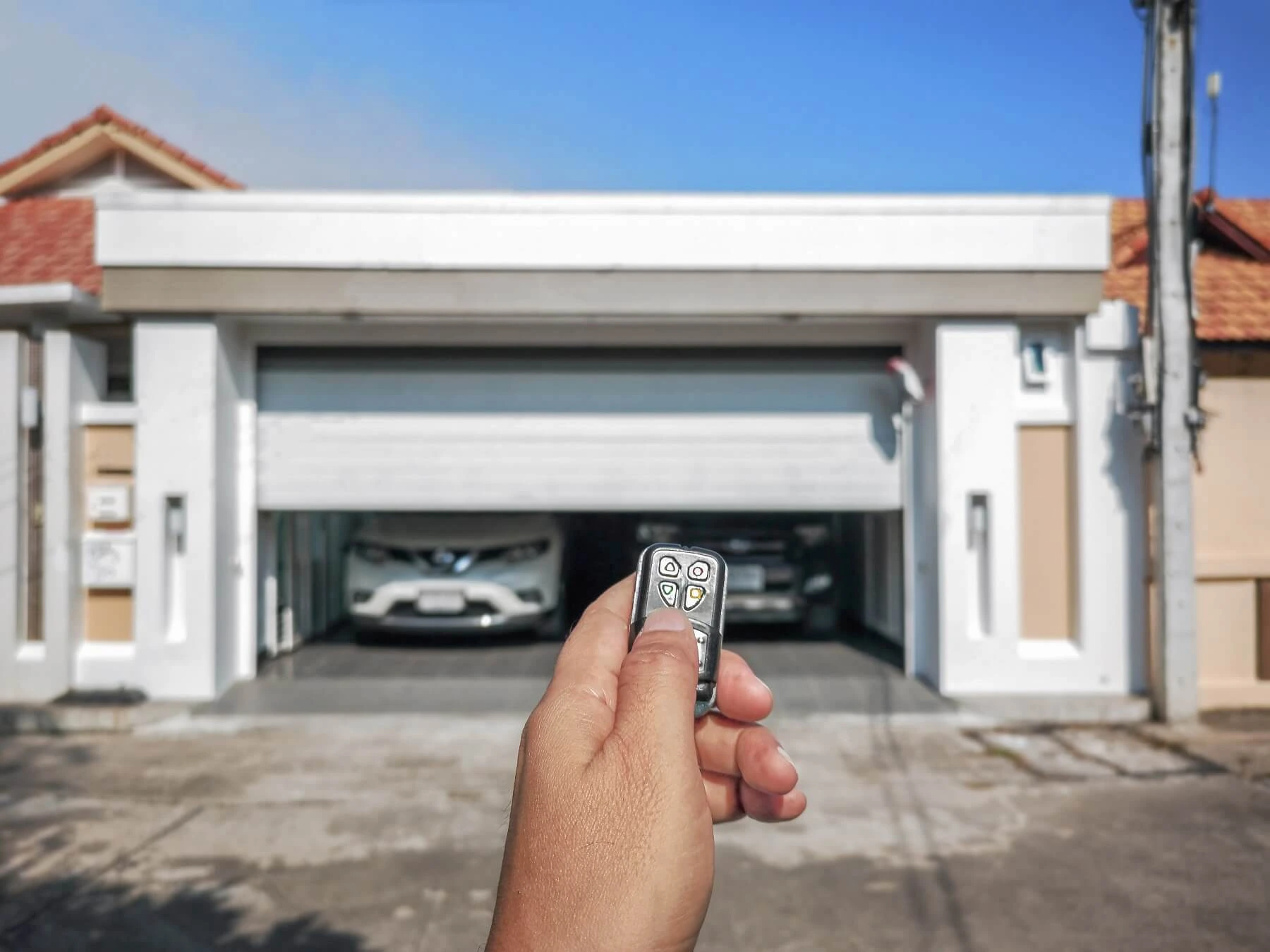
Each common opener repair lands at a fairly predictable point within the $100 to $400 range.
Typical Garage Door Opener Repair Prices by Problem
Repair | Where it falls in the $100 to $400 range | Common signs you need it |
Safety sensor repair | Low end | Door reverses before closing, sensor light blinking |
Remote, keypad, or wall button fix | Low end | Opener works from one control but not another |
Drive gear or sprocket replacement | Middle | Motor hums but the door doesn’t move |
Limit switch or force adjustment | Low to middle | Door stops short, won’t close fully, or reverses at the floor |
Circuit board replacement | High end | Opener is completely dead after a storm or outage |
Motor repair | High end | Motor won’t run, overheats, or smells burnt |
For prices on springs, cables, panels, and every other common repair, see How Much Does Garage Door Repair Cost in Mesa, AZ? 7 Common Repairs and What You’ll Pay.
1. Safety Sensor Repair: Low End of the Range
Safety sensors are the opener problem that is seen most often, and usually the cheapest to fix.
How Much Garage Door Sensor Repair Costs in Mesa, AZ
Realigning or cleaning sensors sits at the bottom of the $100 to $400 range. Replacing a damaged sensor or repairing its wiring costs a bit more.
Symptom: the door starts to close, then reverses. The opener light may blink, or one sensor’s indicator light is off or flickering.
Most likely cause: a sensor bumped out of alignment, a dirty lens, a cut wire, or direct sunlight hitting the receiving sensor.
Fix steps you can try first: wipe both lenses, make sure nothing blocks the beam, and adjust the brackets until both indicator lights are solid. Our guide on garage door sensors that aren’t working walks through it.
Call a pro if: the lights stay off after realigning, or the wiring is damaged. Sensor height matters too: DASMA’s garage door opener safety tips state that photo eyes should sit no higher than six inches above the floor, so a person or pet can’t slip under the beam.
2. Remote, Keypad, and Wall Button Fixes: Low End of the Range
When the opener works from one control but not another, the opener itself is usually fine.
Why Garage Door Remote and Keypad Repair Costs Stay Low
Most of these fixes come down to batteries, reprogramming, or replacing a single control, so they sit at the low end of the range.
Symptom: the remote only works up close, the keypad stopped responding, or the wall button does nothing while the remote still works.
Most likely cause: dead batteries, lost programming after an outage, a worn keypad, or a loose wire at the wall button.
Fix steps you can try first: replace the batteries, then reprogram using our guide on how to reset a garage door remote. For keypads, see why a garage door keypad stops working.
Call a pro if: no control works at all, which points to the opener’s receiver or circuit board rather than the remote. For keypad pricing, see what affects garage door keypad repair cost.
3. Drive Gear or Sprocket Replacement: Middle of the Range
A stripped gear is the classic cause of an opener that runs but can’t move the door.
How Much It Costs to Replace a Stripped Garage Door Opener Gear in Mesa, AZ
Gear and sprocket replacement falls in the middle of the range. The price depends on your opener’s brand and drive type.
Symptom: you hear the motor hum or run, but the door doesn’t move, or the chain or belt doesn’t turn.
Most likely cause: the plastic drive gear inside the motor head wears out over years of use, especially on a heavy or unbalanced door. Regular garage door maintenance helps catch balance problems early.
What changes the price: chain, belt, and screw drives use different parts. On chain and belt models, the chain or belt wraps around a gear on the motor, as Family Handyman explains in its guide to the main types of garage door openers. Learn more about chain vs. belt drive garage doors.
Call a pro if: you hear grinding or humming with no movement. Our post on an opener that hums but the door won’t move covers what to check first.
4. Circuit Board Replacement: High End of the Range
The circuit board is the opener’s brain, and it’s the part most likely to fail after a power surge.
Why Garage Door Opener Circuit Board Replacement Costs More in Mesa, AZ
A new logic board sits near the top of the $100 to $400 range because the part itself costs more and must match your opener model.
Symptom: the opener is completely dead, lights flash in an error pattern, or nothing responds after a storm or outage.
Most likely cause: a power surge, lightning, or moisture damage.
Fix steps you can try first: check the outlet and breaker, unplug the opener for a minute, then plug it back in. Our guide on openers that stop working after a power outage covers the full reset.
Call a pro if: the opener still won’t respond, since testing the board calls for professional garage door service. A surge protector on the opener outlet is a cheap way to prevent this repair.
5. Limit Switch and Force Adjustment: Low to Middle of the Range
Limit and force settings tell the opener where to stop and how hard to push. When they drift, the door misbehaves.
How to Fix a Garage Door That Stops Short or Won’t Close Fully
Adjusting limits usually costs little. Replacing a failed limit switch costs more but still sits below the high end.
Symptom: the door stops a few inches short, won’t close all the way, or touches the floor and reverses.
Most likely cause: settings that drifted over time, a worn limit switch, or a door that has become harder to move.
What is checked first: door balance. An opener forced to fight a heavy door wears out fast, and the strain can bend the top section where the opener arm attaches. If that happens, see How Much Does It Cost to Replace a Garage Door Panel in Mesa, AZ? 5 Factors That Change the Price.
Call a pro if: adjusting the limits doesn’t fix it. Learn more about the limit switch on a garage door.
6. Motor Repair: High End of the Range
Motor problems are the most expensive opener repair, and often the point where replacement makes more sense.
When a Garage Door Opener Motor Is Worth Repairing
Motor repairs top out at $100 to $400. On older openers, the cost of a motor repair can approach the price of a new unit.
Symptom: the motor won’t run at all, cuts out after a few seconds, overheats, or gives off a burning smell.
Most likely cause: age, a failed capacitor, or years of strain from an unbalanced door.
Our rule of thumb: if the opener is more than 10 to 15 years old, or the repair costs more than half the price of a new one, replace it. Compare both options to see whether it’s cheaper to repair or replace a garage door opener. If the door itself is aging too, read Should You Repair or Replace Your Garage Door in Mesa, AZ? 7 Signs It’s Time.
Get an Exact Price on Your Opener Repair
A quick diagnosis is the fastest way to know whether you need a small fix or a new opener. Opener symptoms overlap, so a humming motor or a reversing door can have more than one cause. A technician can test the sensors, gears, board, and door balance in one visit.
JT’s Overhead Doors repairs all major opener brands and gives you a clear price before any work starts. Contact us today or give us a call to book your opener repair.