
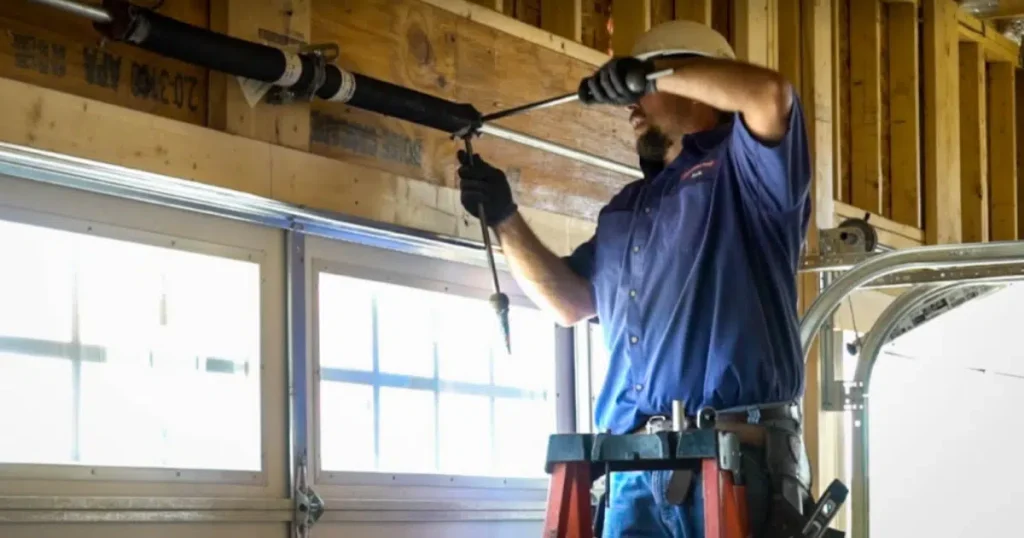
Your garage door is acting up, and you suspect the spring is the problem. Maybe the door feels heavier than usual, moves unevenly, or stops working altogether. Now comes the question that most homeowners in Mesa, AZ struggle with: do you repair what is there, or replace it entirely? In many cases, a professional garage door service can inspect the system and determine which option makes the most sense for long-term safety and performance.
It is not always a straightforward answer. The right decision depends on the age of the spring, the type of damage, the condition of the surrounding components, and whether a partial repair will actually hold up over time. Getting this decision wrong in either direction costs more in the long run. This guide walks through the key factors that determine whether a repair is enough or a full replacement is the smarter investment.
Understanding What Repair vs. Replacement Actually Means
Before making any decision, it helps to be clear on what each option involves. Repair and replacement are not interchangeable terms in the garage door industry, and the difference matters both for cost and for long-term results. In many situations involving broken spring replacement, what looks like a simple issue often turns into a full replacement once the system is properly inspected.
Here is what each option typically covers:
- A repair addresses a specific, isolated issue with the spring or its hardware without removing and replacing the full component
- A replacement involves removing the existing spring entirely and installing a new one rated for your door’s weight and cycle requirements
- In some cases, a repair is not possible at all because the spring has snapped, corroded through, or deformed beyond adjustment
To understand the full picture of what spring failure looks like before it reaches that point, What Are the Risks of DIY Garage Door Spring Replacement? covers the critical safety considerations every homeowner should know.
When a Repair Is the Right Call
Not every spring issue requires a full replacement. There are specific situations where a targeted repair is appropriate, effective, and cost-efficient. Knowing these scenarios helps homeowners have a more informed conversation with their technician.
Situations where a repair is often sufficient:
- The spring is relatively new and within the first half of its rated cycle life
- The issue is a hardware problem rather than the spring itself, such as a loose set screw, worn winding cone, or misaligned cable drum
- The spring has lost minor tension but has not snapped or developed visible stress fractures
- Only one spring in a dual-spring system is showing early wear, while the other remains in good condition
When a Full Replacement Is the Better Investment
There are situations where attempting to repair a spring is either not possible or not practical. In these cases, pushing forward with a repair delays the inevitable and often results in a second service call within a short period.
Clear indicators that a full replacement is needed:
- The spring has snapped completely and cannot be rewound or reused
- Visible rust, corrosion, or metal fatigue is present along the coil
- The spring is at or near its rated cycle limit based on the age of the door and frequency of use
- A repair was already performed on the same spring within the past year, and the issue has returned
The Role of Spring Age in the Decision
Spring age is one of the most reliable factors in determining whether repair or replacement makes more sense. A spring that has been in service for several years and thousands of cycles is not in the same condition as one installed recently, even if both appear physically similar on the surface.
How age affects the repair versus replacement calculation:
- Springs rated for 10,000 cycles on a door used four times daily reach that limit in roughly seven years
- A spring older than five to six years is likely past the midpoint of its service life even if it has not failed yet
- Older springs that develop any issue, however minor, are at higher risk of full failure during or shortly after a repair
- Replacing an aging spring proactively costs less than dealing with the secondary damage a sudden failure can create
In the desert climate of Mesa, AZ, temperature extremes and dry air accelerate metal fatigue. Springs in this region may reach the end of their effective service life faster than the standard cycle rating suggests, making age an even more important factor in the local context.
Single Spring Failure vs. Dual Spring Systems
Many residential garage doors use two springs working together to share the load of lifting and lowering the door. When one spring in a dual-spring system fails, homeowners often ask whether they need to replace both or just the broken one. The answer matters significantly for long-term outcomes.
Why replacing both springs at the same time is usually the right choice:
- Both springs were installed at the same time and have accumulated the same number of cycles
- A spring that appears fine when its partner fails is often within months of its own failure
- Replacing both springs during a single visit costs less in combined labor than two separate service calls
- A mismatched spring pair creates uneven tension that stresses cables, drums, and the opener
How to Inspect Your Spring for Early Warning Signs
Catching a spring problem early gives homeowners the option to schedule a planned repair or replacement rather than dealing with an emergency failure. Regular visual inspections take only a few minutes and can reveal issues before they escalate.
What to check during a basic spring inspection:
- Look for visible gaps in the coil where the spring has partially separated under tension
- Check for rust or discoloration along the coil surface, which indicates corrosion is weakening the metal
- Listen for unusual sounds during a full open and close cycle, including popping, creaking, or grinding near the spring shaft
- Test the door balance by disconnecting the opener and lifting the door manually to waist height. A properly balanced door stays in place. One that falls or shoots upward has a spring tension problem.
The IDA maintenance guidelines from the Door and Hardware Institute outline garage door care and maintenance best practices that include regular spring inspection as a core part of keeping the full system in safe working order. Catching issues at this stage gives you the most options and the most control over timing and cost.
What a Professional Assessment Covers
When a technician comes out to assess a spring issue, a thorough evaluation goes beyond simply looking at the spring itself. The spring does not operate in isolation. Its condition affects and is affected by every other component in the door system. Routine garage door maintenance often helps technicians spot these related issues before they turn into major repairs or safety hazards.
What a complete professional assessment should include:
- Measuring the door weight and comparing it against the spring specifications to confirm the spring is correctly rated
- Inspecting cables for fraying, uneven winding, or signs of stress at the attachment points
- Checking the cable drums for wear grooves, misalignment, or damage from previous spring tension issues
- Testing the opener force settings to confirm they are within the manufacturer’s recommended range for the door weight
The True Cost Comparison: Repair vs. Replacement
Cost is often the primary factor homeowners consider when deciding between repair and replacement. But the upfront cost of each option does not tell the full story. The smarter comparison accounts for the total cost over the next one to three years, not just the cost of today’s service call.
How the long-term cost comparison typically breaks down:
- A repair on a spring with significant remaining cycle life offers genuine value and defers replacement costs appropriately
- A repair on a spring near the end of its service life saves money today, but often leads to a full replacement call within six to twelve months
- Replacing both springs in a dual-spring system during one visit costs less in total labor than two single-spring replacements over two separate visits
- Ignoring early warning signs and waiting for a full failure adds the cost of secondary damage to whatever the spring replacement itself costs
This Old House provides a helpful overview of everything homeowners should know about garage doors that puts component maintenance decisions, including springs, into the broader context of total garage door system care. Making decisions with that full picture in mind almost always leads to better outcomes.
Repair and Replacement Red Flags to Watch For
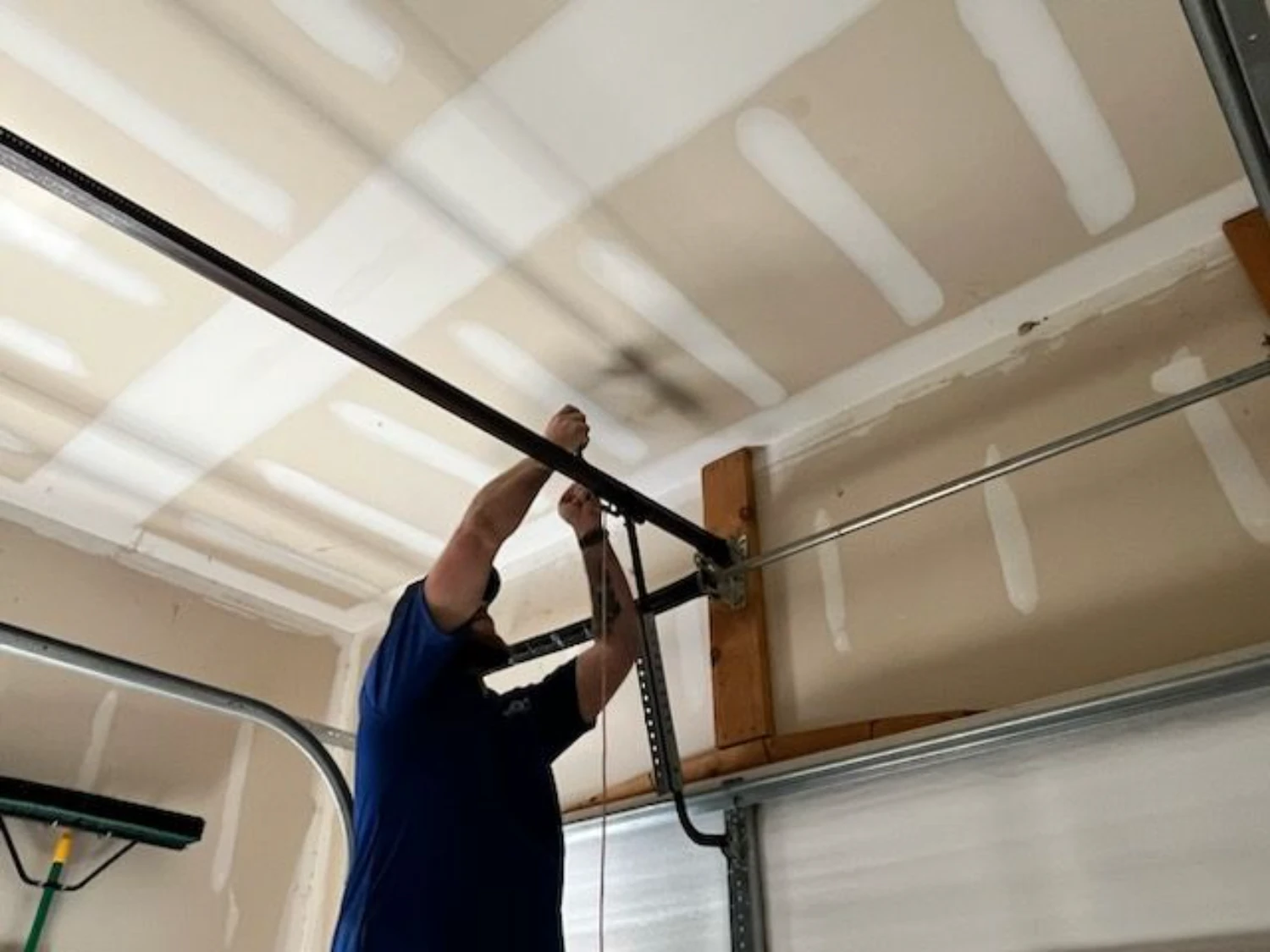
Not every technician approaches a spring assessment the same way. Homeowners who know what a proper evaluation looks like are better equipped to recognize when something is off about the recommendation they receive.
Red flags that suggest a second opinion may be warranted:
- A technician recommends replacing the full door system because of a spring failure, without explaining why the existing door cannot be repaired
- A repair quote comes with no assessment of the spring age, cycle history, or surrounding component condition
- A technician discourages replacing both springs in an aging dual-spring system without explaining the reasoning
- The recommendation changes significantly based on what payment method or financing option you choose
A solid foundation in how the spring system actually functions gives you the confidence to ask the right questions, and How Garage Door Springs Work and Why They’re Dangerous is the best place to build that understanding.
Making the Final Call: A Practical Decision Framework
Pulling together everything covered in this guide, here is a straightforward framework for making the repair versus replacement decision with confidence. This is the same thinking process a qualified technician uses when assessing a spring issue.
Questions to work through before deciding:
- How old is the spring and how heavily has the door been used since installation?
- Has the spring snapped completely, or is it still intact but showing wear or tension loss?
- Are both springs in a dual-spring system showing similar age and wear, or is one significantly newer?
- Has a repair already been performed on this spring recently?
- Is the surrounding hardware, including cables, drums, and tracks, in good condition or also showing wear?
For a clearer picture of what the spring failure itself looks and sounds like in real time, What Happens When a Garage Door Spring Snaps Suddenly walks through that scenario in full detail.
Make the Right Call Before It Becomes an Emergency
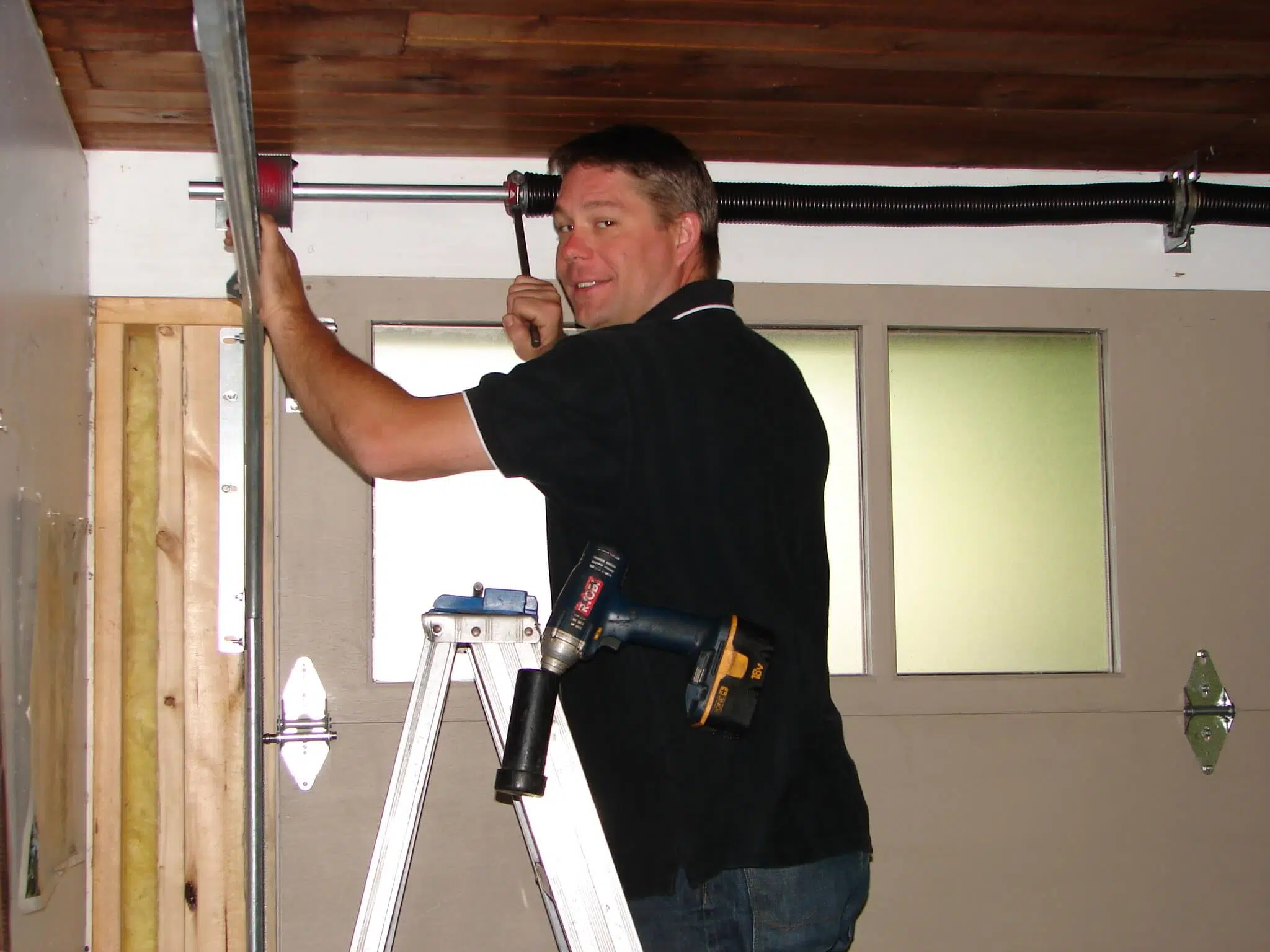
The best time to decide between repairing and replacing a garage door spring is before the situation becomes urgent. When a spring is showing early signs of wear, homeowners who act on those signs have options. They can schedule service at a convenient time, compare estimates, and make a thoughtful decision without the pressure of a door that will not open or close.
JT’s Overhead Doors helps homeowners throughout Mesa, AZ, assess their garage door spring condition and make confident decisions about repair versus replacement. If your door is showing warning signs or you want a professional evaluation of your spring system before something goes wrong, contact us today or give us a call to schedule your service visit.