
Garage door springs do a lot of heavy lifting, literally. Every time your garage door opens or closes, those springs absorb and release a massive amount of tension. When one breaks, it is tempting to search for a quick tutorial and handle it yourself instead of calling a professional garage door service. But before you grab your tools, you need to understand what you are really dealing with.
DIY garage door spring replacement is one of the most dangerous home repair jobs a homeowner can take on. The risks go beyond a simple cut or bruise. A mistake with a high-tension coil spring can cause serious injury, property damage, or worse. This guide walks you through exactly why this job is better left to a trained technician, and what you should do instead.
The Tension Stored in Garage Door Springs Is Extremely High
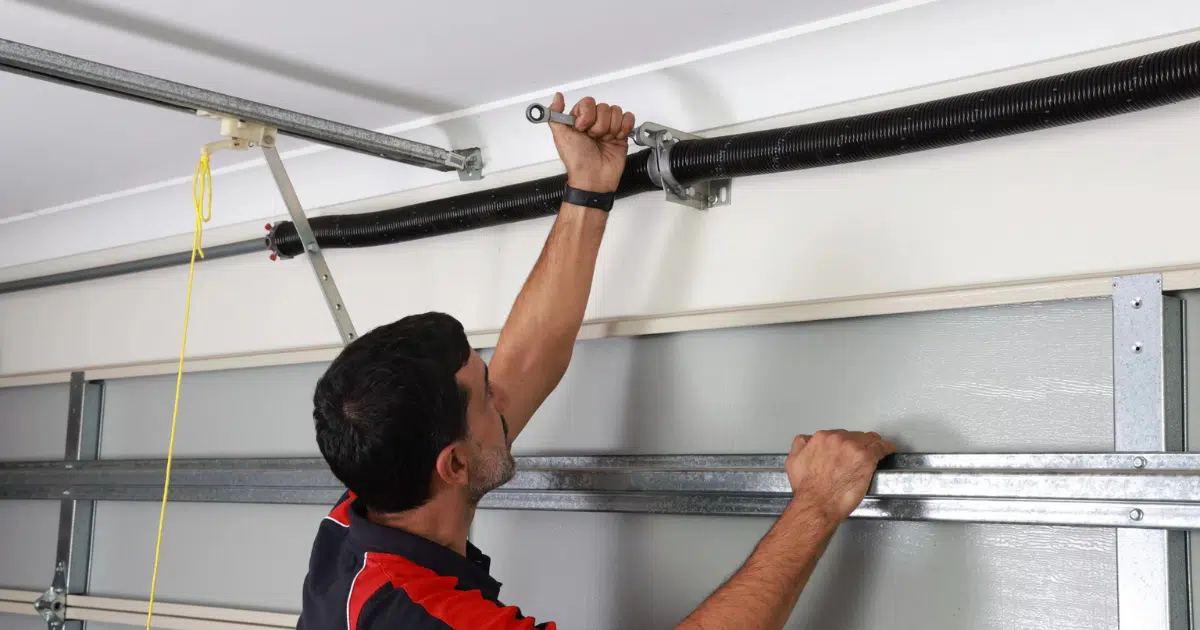
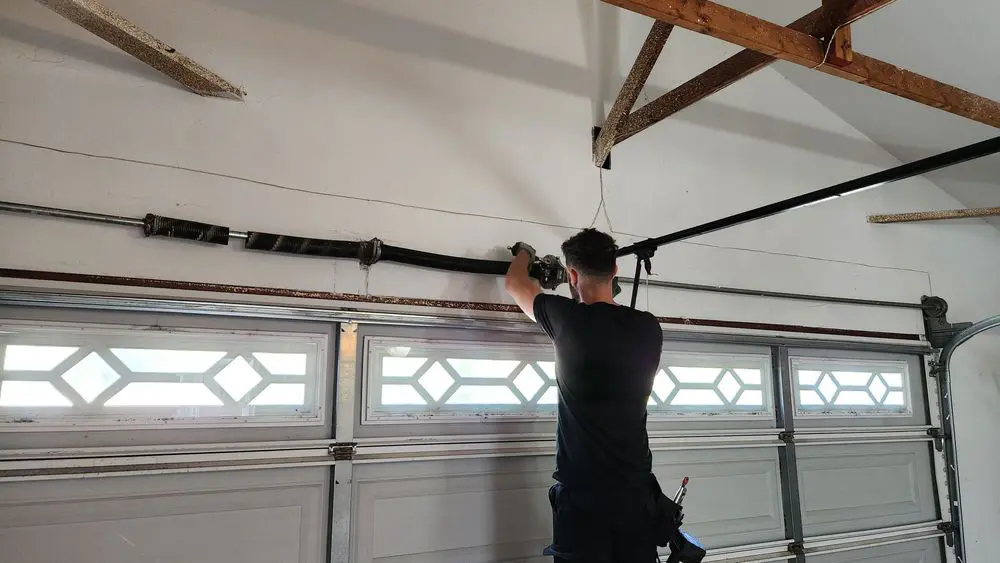
Garage door springs, especially torsion springs, are wound tight under enormous tension. A standard torsion spring stores enough energy to cause serious injury if it snaps or slips during handling, which is why broken spring replacement is never considered a safe DIY task. This is not an exaggeration. It is a well-documented safety concern recognized across the home repair industry.
Here is what makes the tension so dangerous:
- Torsion springs are mounted above the door and wound tightly around a metal shaft
- A single spring can hold hundreds of pounds of force even when the door is closed
- Releasing or winding that tension incorrectly can cause the spring to snap outward at high speed
Many homeowners do not realize that the spring is still under tension even after the door is down. Attempting to remove or replace it without the proper tools and training puts you directly in the path of that stored energy.
If you want a deeper understanding of what makes these components so volatile, read How Garage Door Springs Work and Why They’re Dangerous.
The Risk of Serious Physical Injury Is Very Real
Every year, emergency rooms treat homeowners who are injured attempting garage door spring repairs. The injuries are not minor. A spring under tension that slips or breaks can snap back with enough force to cause broken bones, lacerations, and eye injuries.
Common injuries from DIY spring replacement include:
- Deep cuts and lacerations from snapped spring coils
- Broken fingers, hands, or wrists from the sudden release of tension
- Eye injuries from flying metal fragments
- Head injuries if the door falls unexpectedly during the repair
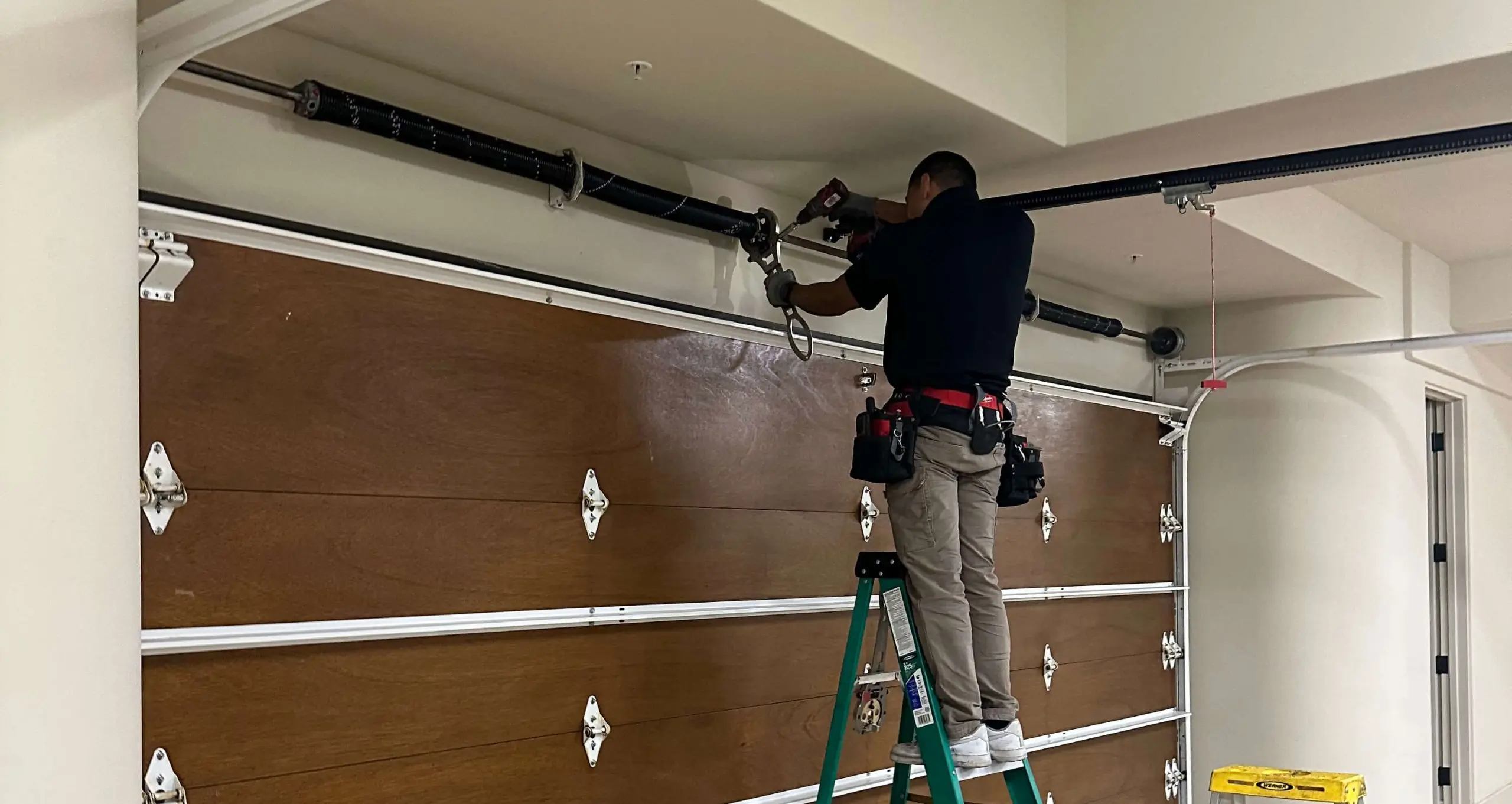
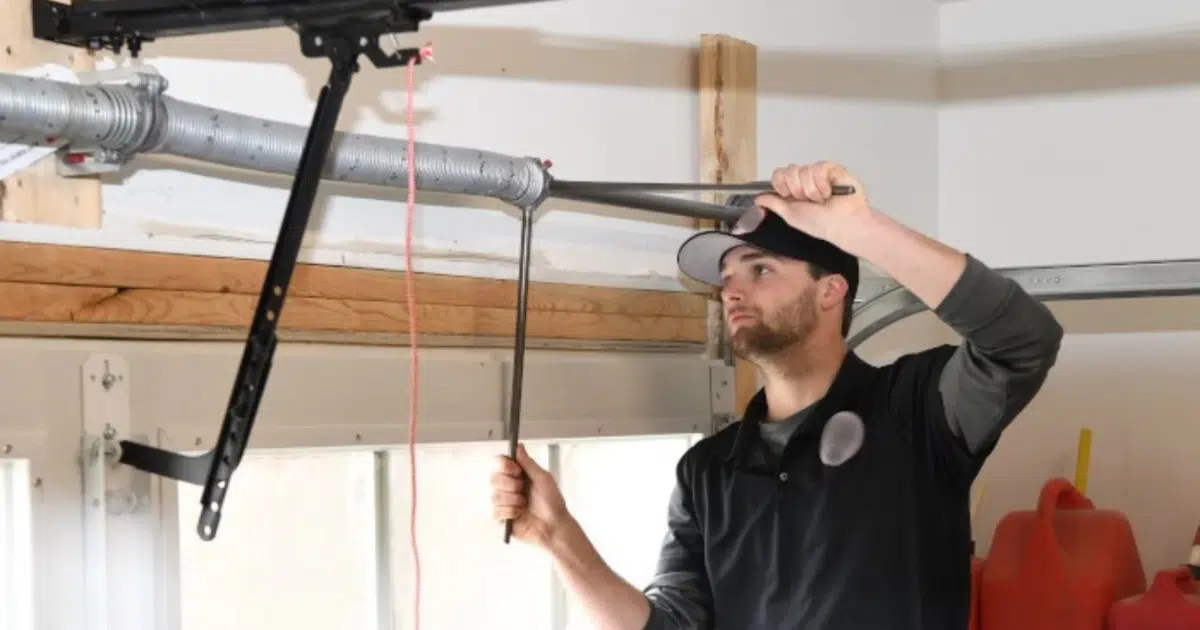
Without the right training and tools, there is no safe way to control what happens when something goes wrong. A professional technician uses specialized winding bars, safety cables, and years of hands-on experience to manage these risks every single day.
You Likely Do Not Have the Right Tools for the Job
Walk into any hardware store, and you will find basic tools. But garage door spring replacement requires specific equipment that most homeowners simply do not own. Using the wrong tools is one of the most common reasons DIY spring jobs go wrong.
The tools required for a safe spring replacement include:
- Proper winding bars that match the spring size (using a screwdriver or improvised bar is extremely dangerous)
- A sturdy ladder rated for the weight and reach required
- Safety cables already installed inside the spring to contain it if it breaks
- Torque and tension measuring tools to ensure the spring is wound correctly
Improvising with household tools increases the chance of the spring slipping, the winding bar flying out, or the spring breaking mid-installation. This is not a job where guessing is ever a safe option.
Getting the Wrong Spring Type or Size Can Damage Your Door System
Garage door springs are not universal. They come in different sizes, wire gauges, inside diameters, and lengths. Installing the wrong spring for your door can put uneven stress on the opener, cables, and drums. Over time, this leads to premature wear and full system failure.
Using the wrong spring size creates these problems:
- The door may not open or close evenly, causing it to come off track
- The garage door opener takes on extra strain, shortening its lifespan
- Cable drums can wear unevenly, leading to cable fraying or snapping
- The door may slam shut unexpectedly if the spring tension is too low
A professional technician measures your door weight and calculates the correct spring specifications before the job starts. That single step alone prevents a chain reaction of damage that a wrong-size spring will almost always create.
DIY Mistakes Can Void Your Garage Door Warranty
Most garage door manufacturers include a warranty that covers parts and labor under normal use and professional installation. When a homeowner attempts a DIY repair, especially one involving springs and high-tension components, it can void that warranty entirely.
Here is what you risk from a warranty standpoint:
- Manufacturer warranties often require professional installation for spring components
- If your door is damaged during a DIY repair, the manufacturer may deny the claim
- Opener warranties can also be voided if improper spring tension damages the motor
- Future repairs may cost significantly more because the warranty coverage is gone
Before attempting any repair, check your garage door and opener documentation. The cost of a professional spring replacement is far less than paying out of pocket for a full system replacement because a warranty claim was denied.
The Garage Door Itself Can Fall and Cause Property or Vehicle Damage
When a spring breaks or is improperly installed, the garage door loses its counterbalance. A door without proper spring tension can fall suddenly and without warning. A falling garage door weighs anywhere from 100 to 400 pounds depending on the size and material.
The consequences of an uncontrolled door fall include:
- Crushing damage to a parked vehicle underneath
- Damage to the garage floor, walls, or the door panels themselves
- Injury to anyone standing near the door at the time
- Bent tracks, broken cables, and damaged opener hardware
The Door and Access Systems Manufacturers Association outlines clear garage door spring safety standards that highlight why untrained handling of spring components puts homeowners at serious risk.
Understanding the full aftermath of a spring failure is something every Mesa, AZ homeowner should be aware of, and you can learn more in What Happens When a Garage Door Spring Snaps Suddenly.
You May Not Know When Something Is About to Go Wrong
One of the biggest dangers of DIY spring replacement is that problems do not always look obvious. A spring that appears to be holding tension correctly can still be wound unevenly, or sitting at the wrong torque. These hidden issues do not show up immediately but they cause failures days or weeks later.
Signs of a spring that was not installed correctly include:
- The door feels heavier on one side when opening manually
- The opener strains or stops mid-cycle more often than usual
- You hear creaking, popping, or grinding near the spring shaft
- The door opens unevenly or tilts slightly to one side
A trained technician catches these warning signs before they become bigger problems. Homeowners completing a DIY job rarely know what to inspect after the repair is done.
What You Should Do Instead of DIY
Skipping professional help is never worth the risk, especially when you consider how quickly a spring failure can escalate. Here is what homeowners in Mesa, AZ should do the moment a spring breaks:
- Do not attempt to open or close the door manually until the spring is replaced
- Disconnect the automatic opener to prevent the motor from straining against the broken spring
- Keep children and pets away from the garage until the repair is complete
- Call a licensed garage door technician who can assess the full system, not just the spring
These steps protect your family and your property while you wait for professional service. Angi also breaks down what to do when a garage door spring breaks, including a helpful overview of what the repair process typically involves.
Tips to Help You Avoid Spring Problems Before They Start
Prevention is always easier than repair. While springs do have a natural lifespan, typically measured in cycles rather than years, there are things you can do to extend that life and catch early warning signs before they turn into bigger problems.
Preventive steps every homeowner should follow:
- Lubricate the spring coils with a proper garage door lubricant every six months
- Listen for unusual sounds when the door operates and address them early
- Have a professional inspect the full spring system at least once a year
- Avoid manually forcing the door open or closed if it feels stiff or resistant
Taking a proactive approach to garage door maintenance goes a long way toward avoiding costly emergency repairs down the road.
When the Average Repair Cost Is Worth Every Penny
Some homeowners consider DIY because they want to save money. That thinking makes sense on the surface. But when you factor in the real cost of getting it wrong, professional spring replacement becomes the clear and smarter choice.
Consider what a DIY mistake can cost you:
- Emergency room visits for spring-related injuries can run into thousands of dollars
- Replacing a damaged garage door or vehicle adds significant unexpected expense
- Voided warranties mean future repairs come entirely out of pocket
- Fixing a botched DIY job often costs more than the original professional repair would have
The average cost of a professional garage door spring replacement varies depending on the spring type, door size, and local labor rates in Mesa, AZ. But that cost is a fraction of what you could spend recovering from a DIY repair gone wrong.
If you are unsure whether your spring needs a full replacement or just a repair, When Should You Replace vs. Repair Your Garage Door Spring? can help you make that call with confidence.
Stop Risking It and Let a Pro Handle It
Garage door spring replacement is not a project where the risk is worth the reward. The tension stored in those springs, the specialized tools required, and the very real potential for serious injury make this one job where DIY simply does not make sense. Homeowners across Mesa, AZ learn this the easy way or the hard way. The easy way is calling a professional before anything goes wrong.
JT’s Overhead Doors serves homeowners throughout Mesa, AZ with reliable, professional garage door spring repair and replacement. If your spring is broken or your door is not working the way it should, contact us today or give us a call to schedule a service visit.