
If your garage door keypad stopped working, the reason is almost always one of a few common issues: weak batteries, signal interference, lost programming, extreme heat, loose wiring, or a worn-out keypad. As a garage door professional, the pattern is usually the same. Homeowners often assume the whole system is broken when in reality the repair is much simpler than it seems.
Understanding these causes early can save you time and stress, especially if you rely on your keypad daily to get in and out of your garage. Some issues are quick to spot on your own, while others are a sign that a professional should take a closer look.
Dead or Weak Batteries
This is the most common reason a garage door keypad suddenly quits responding. Batteries lose power gradually, so the keypad may work slowly or only sometimes before it fails completely. Many homeowners don’t notice the decline until the keypad stops working altogether, which makes it easy to assume something more serious is wrong and that a full garage door repair is needed when a simple battery swap would solve it.
Signs Your Garage Door Keypad Batteries Are Failing
- The keypad light looks dim or flickers when pressed
- The keypad responds only after several attempts
- The door opens with a delay instead of right away
- The keypad worked fine a few weeks ago and has slowly gotten worse
- Batteries have been in place for a year or longer
If you’re also setting up a new unit, our guide on How to Program a Garage Door Keypad the Right Way covers this in full, but fresh batteries are always the first thing to check, since a weak power source can sometimes look like a bigger issue than it is.
Signal Interference or a Blocked Sensor
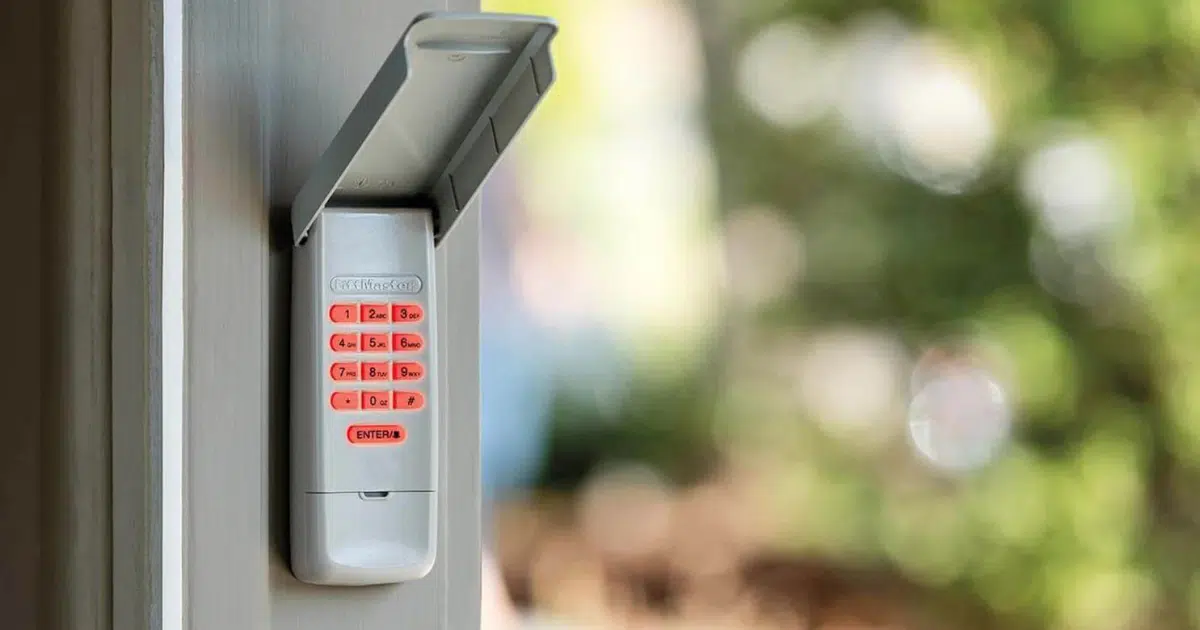
Garage door keypads communicate with the opener using a wireless signal, and anything that blocks or interferes with that signal can stop the door from responding. This is common in Mesa homes with metal storage shelving, newer electronics installed near the garage entry, or garages that have been reorganized recently. Even small changes in the garage layout can sometimes affect how well the signal travels between the keypad and the opener, especially in garages that double as workshops or storage spaces, and this kind of issue is a common reason homeowners end up scheduling a garage door service visit even when nothing is actually broken.
What Causes Garage Door Keypad Signal Problems
- Metal objects placed too close to the opener unit
- New electronics, routers, or appliances were added to the garage
- Keypad mounted too far from the opener’s receiver
- Dust or debris covering the keypad’s signal sensor
- Nearby construction or radio equipment is causing temporary interference
Outdated or Lost Programming
Sometimes the keypad itself is fine, but the code stored in the opener’s memory has been erased or changed. This can happen after a power surge, a battery change in the opener, or a factory reset. It can also happen if the opener’s internal memory reaches its limit after several codes have been added over the years. Many homeowners in this situation search for how to reset a garage door keypad, since reprogramming solves the issue in most cases without needing any repair work at all, and staying on top of this as part of regular garage door maintenance can prevent the surprise of a code disappearing unexpectedly.
Why Garage Door Keypad Codes Stop Working
- A recent power outage reset the opener’s memory
- The opener’s motor unit was replaced or serviced
- Multiple failed code entries triggered a lockout
- The keypad battery was removed for too long, clearing stored settings
- A new keypad was installed, but never fully paired
If you want the full step-by-step process, our guide on How to Reset Your Garage Door Keypad Code walks through it in detail so you can get your code working again without guesswork. Keeping a written record of your code in a safe place can also save you time if you ever need to reprogram it after a power outage or opener service.
Weather and Temperature Damage
Arizona summers are hard on outdoor electronics, and a garage door keypad is no exception. Extreme heat can warp the plastic housing, damage internal circuits, or shorten battery life much faster than in cooler climates. Homeowners in Mesa often deal with this more than most, since keypads mounted on south-facing walls can sit in direct sun for several hours a day during the summer months, sometimes reaching surface temperatures well above the surrounding air.
How Arizona Heat Affects Garage Door Keypads
- Direct summer sun causes plastic housings to warp or crack over time
- High heat drains batteries faster than normal
- Circuit boards can become damaged after repeated exposure to extreme temperatures
- Condensation from sudden temperature swings can affect internal wiring
- Keypads mounted in full sun age faster than shaded ones
A small overhang, an awning, or even repositioning the keypad to a shaded wall can add years to its lifespan in a hot climate like ours. Local homeowners can find more general upkeep advice in this garage door inspection and maintenance guide from Angi, which covers seasonal checks worth doing twice a year. Checking your keypad’s condition each spring and fall is a simple habit that can catch heat-related wear before it becomes a bigger problem.
Wiring and Power Issues for Wired Keypads
Not every keypad is wireless. Hardwired keypads rely on a direct electrical connection to the opener, and if that wiring is damaged, loose, or corroded, the keypad may stop working entirely, even with fresh batteries. This is more common in older homes or garages where the wiring hasn’t been inspected in several years, particularly if rodents or moisture have had access to the area.
What to Check If Your Wired Keypad Has No Power
- Loose wire connections at the back of the keypad
- Frayed or chewed wiring, especially in garages with rodents
- Corrosion at the wire terminals from moisture exposure
- A tripped circuit breaker connected to the opener
- Wiring that was never properly attached during installation
Wiring problems are one of the trickier issues to diagnose on your own, since the damage isn’t always visible from the outside. For general safety guidance around checking electrical components near garage door systems, DASMA’s garage door safety tips are a solid resource before doing any hands-on inspection. If you notice any signs of wear on visible wiring, it’s worth having it checked before the problem gets worse.
Worn-Out Buttons or Physical Keypad Damage
After years of daily use, the buttons on a garage door keypad can wear down, stick, or stop registering presses altogether. Physical damage from impacts, water exposure, or general age is also common, especially on older keypad models that have been through several Arizona summers already. Keypads mounted near a side entry door also tend to wear faster, simply because they get used more often than ones tucked into a less trafficked spot.
Signs Your Garage Door Keypad Needs Repair or Replacement
- Certain numbers no longer register when pressed
- The keypad face is cracked, faded, or peeling
- Buttons feel sticky or take extra pressure to work
- The keypad has visible water damage or rust
- The unit is more than eight to ten years old
Once you’ve ruled out batteries, signal, and programming, physical wear is usually the next thing to consider. Our breakdown of What Affects Your Garage Door Keypad Repair Cost explains what typically drives repair decisions at this point, so you know what to expect before reaching out to a professional. In many cases, a worn keypad is simply due for replacement rather than repair, especially once it passes the eight to ten year mark.
Getting Your Garage Door Keypad Back on Track
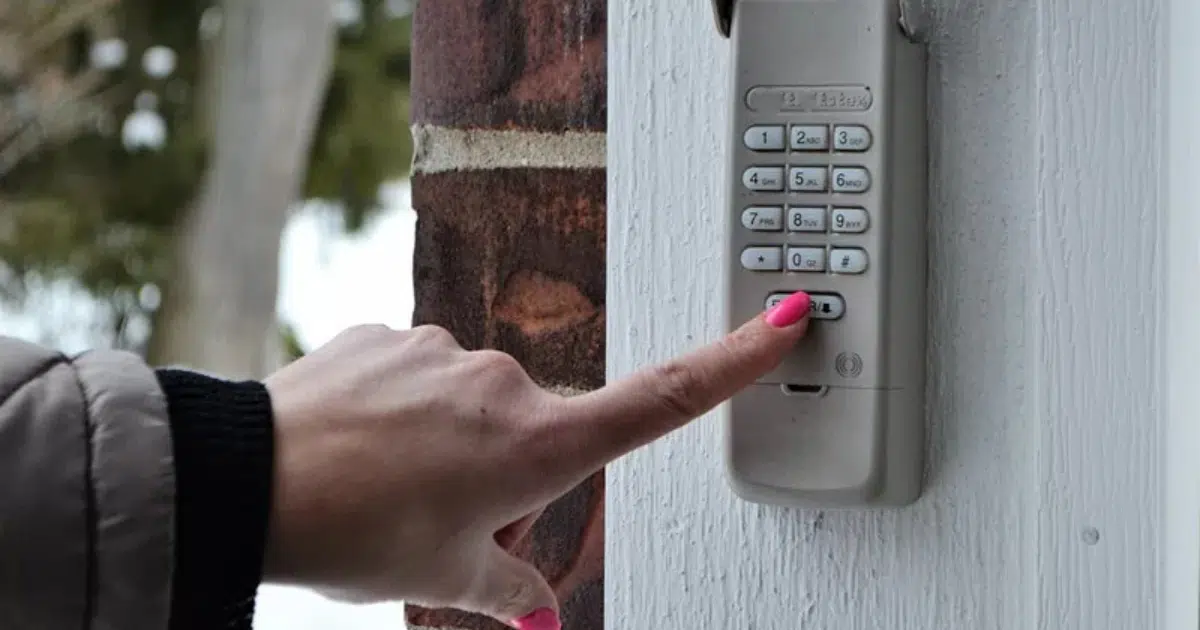
Most garage door keypad problems come down to something simple, whether that’s a battery swap, a quick reprogram, or clearing away signal interference. A little patience and a step-by-step check through these common causes will solve the issue for most homeowners without needing to call anyone at all. But when a keypad shows signs of wiring damage, heat-related wear, or physical breakdown, it’s worth having a trained technician take a closer look rather than guessing and risking further damage to the opener system.
If you’re in Mesa, AZ, and your garage door keypad still isn’t responding after checking the basics, JT’s Overhead Doors can inspect the system and figure out exactly what’s going on. Our technicians see these issues every week across the valley and know how the local climate affects these systems specifically, from sun exposure on south facing walls to the wear that comes with daily desert use. Contact us today or give us a call to get your keypad working reliably again.