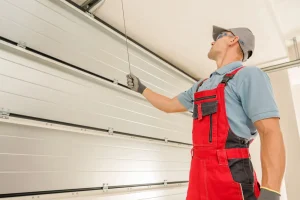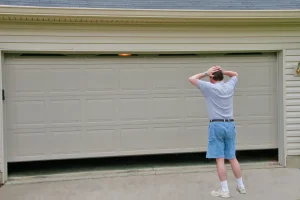


It usually starts with a strange sound, like a scrape, a thud, or a door that suddenly feels stiff when you press the opener button. You take a quick look, notice something seems off, and then move on with your day. That is often how a minor issue turns into a situation that requires urgent garage door repair. A fallen garage door roller is not just a small inconvenience. It is a mechanical problem that places extra strain on the entire system, from the tracks to the opener. In Mesa, AZ, where extreme heat and frequent use already wear down components faster, skipping routine garage door service can make the damage escalate much more quickly.
As the roller remains out of place, the door becomes misaligned, forcing other rollers and parts to compensate. This added stress can lead to bent tracks, damaged panels, or even a complete door failure if left unchecked. What could have been a simple issue often turns into a more complex and costly garage door repair. Regular garage door service helps catch these problems early and keeps your system running safely and efficiently.
The Door Starts Moving Unevenly
The first thing you will notice when a roller has fallen off is that the door no longer travels smoothly. It may drag on one side, hesitate mid-travel, or make a grinding sound as it moves up and down the track, often signaling the need for garage door repair. This uneven movement is the first sign that the remaining rollers are now compensating for the missing one. They are picking up a load they were not designed to carry alone.
What this looks like in practice:
- The door tilts slightly to one side as it opens or closes
- You hear a scraping or dragging sound that was not there before
- The opener struggles or slows down at certain points in the travel, indicating that possible garage door repair is needed
- The door looks uneven when fully closed, with one side sitting lower than the other
To understand what causes rollers to reach this point in the first place, What Causes Garage Door Rollers to Fall Off? covers the most common root causes in detail.
The Remaining Rollers Take on Excess Stress

A standard garage door has between 10 and 14 rollers, depending on its height. They work as a team. Each one carries a share of the door’s weight and guides it along the track in a controlled, even motion.
When one roller falls off, that share of the load does not disappear. It redistributes to every roller still in the track. The ones closest to the missing roller take the heaviest hit.
Here is why that matters:
- Rollers have a rated cycle life. Overloading them shortens that life significantly
- The added pressure causes adjacent rollers to wear faster, crack sooner, and eventually fail
- As more rollers weaken, the imbalance in the door gets worse, and the cycle of damage speeds up
The Track Gets Damaged

This is where the repair cost starts to climb. When a roller falls off, and the door keeps running, the door panel does not float freely. The bracket that held that roller is now dragging or pressing against the inside of the track with no wheel to cushion the contact.
Metal scraping against metal inside the track creates gouges, flat spots, and bends. In some cases it warps the track enough that even after new rollers are installed, the track itself needs to be repaired or replaced.
Signs your track is being damaged by a missing roller:
- Visible scoring or scratches on the inside of the track channel
- A section of the track that looks bent inward or pulled outward
- The door stops or jerks at a specific point in its travel every time
- You can see the gap between the roller wheel and the track widening on the opposite side
The Door Panels Begin to Warp or Crack
This is the consequence most homeowners do not think about until they see it. Garage door panels are designed to carry load evenly across the full width of the door. When one roller is missing, the panel connected to that bracket point is no longer supported the way it should be.
The door weight pulls unevenly on that panel every single time the door moves. Over time, that stress causes the panel to bow, warp, or crack along the seam.
Why panel damage is a serious problem:
- Warped panels create gaps that let in heat, dust, pests, and water
- Cracked panels compromise the structural integrity of the entire door
- Panel replacement is one of the more costly repairs in garage door service
- In some cases, severe panel damage means the full door needs to be replaced rather than repaired
The Opener Motor Gets Overworked
Your garage door opener is sized for a specific door weight operating under normal conditions. When a roller falls off and the door drags, the opener has to work harder to move the door through its travel cycle.
That extra demand puts strain on the motor, the drive mechanism, and the internal gears. Openers are not built to sustain that kind of overload indefinitely.
What overworked opener damage looks like:
- The opener makes a straining or grinding sound it did not make before
- It takes noticeably longer to open or close the door
- The opener reverses or stops mid-cycle due to its built-in overload protection
- The motor runs hotter than normal, which shortens its lifespan
The Door Becomes a Safety Hazard
This is the most serious consequence and the one that should move a fallen roller from the “deal with it later” list to the “deal with it today” list.
A garage door is one of the heaviest moving objects in most homes. A standard single door weighs between 130 and 200 pounds. A double door can weigh 300 pounds or more. That weight is held in check by a system of springs, cables, rollers, and tracks working together under precise tension.
When a roller falls off and the door continues to operate, that balance breaks down. The risk of a sudden, uncontrolled door drop increases with every cycle the damaged door completes.
Specific safety risks of a roller-compromised door:
- The door can drop suddenly if the cable tension shifts due to uneven roller load
- A door that comes off track partially can swing or shift in unpredictable directions
- Springs under uneven tension are more likely to snap, which is a serious injury risk
- Children, pets, and anyone standing near the door during failure are at real risk of being injured
A Simple Repair Becomes a Major Job
This is the bottom line. A single fallen roller, caught early, is typically a straightforward repair. A technician can inspect, replace the roller, and check the surrounding hardware in a reasonable service visit.
The longer that repair is delayed, the more components get involved. What starts as a roller replacement can grow to include:
- Roller replacement across multiple positions
- Track repair or full track section replacement
- Roller bracket replacement
- Door panel repair or replacement
- Opener motor service or replacement
- Spring inspection and possible adjustment
Your Home Security Is at Risk
A garage door that does not fully close or seal properly is a security vulnerability. When a roller falls off, and the door sits unevenly in the frame, gaps appear along the sides or bottom. Those gaps are visible from the outside and tell anyone looking that the door is not functioning correctly.
Beyond the visual signal, a door that does not close flush cannot be fully locked by the opener’s locking mechanism. If the door is sticking, dragging, or stopping short of the closed position, the automatic lock may not engage.
What to watch for:
- Light visible around the edges of a closed door that was not there before
- The door does not sit flush with the floor seal across its full width
- The opener light blinks an error code when closing
- You have to manually assist the door to get it fully closed
A properly sealed garage door is a key part of home security, and misalignment or damage can reduce its ability to fully close and secure the entry point.
The Problem Gets Harder to Spot Over Time
One of the trickiest things about ignoring a fallen roller is that the symptoms can become your new normal. The grinding sound that was alarming on day one becomes background noise by week three. The door that takes a little longer to close starts to feel like that is just how it has always worked.
This gradual normalization is how small mechanical problems become large ones without anyone noticing the transition. By the time something clearly breaks, multiple components have already been running in a damaged state for weeks or months.
How to break the cycle:
- Take new sounds seriously the day you first hear them
- If the door behaves differently than it did last week, investigate
- Schedule a professional inspection if anything feels off, even if nothing is visibly broken
- Do not assume that because the door still opens and closes, everything is fine
Routine inspection and lubrication are key parts of preventing corrosion-related roller failure, since neglected hardware can quickly degrade under moisture and debris exposure.
To get ahead of future problems, How to Keep Garage Door Rollers From Falling Off covers the preventive steps that keep your system in good shape between service visits.
Knowing When the Damage Has Already Gone Too Far
Sometimes homeowners reach this article after the problem has been ignored for a while. If that is you, here is how to gauge where things stand before calling a technician or requesting emergency service.
Signs the damage is still limited and likely repairable:
- Only one or two rollers appear to be off or damaged
- The track looks straight with no visible bending or scoring
- The door still opens and closes, even if it sounds or feels rough
- The opener completes its full cycle without stopping or reversing
Signs the damage has escalated and needs urgent attention:
- The door is partially or fully off track
- You can see the door leaning or sitting at an angle when closed
- The opener reverses every time you try to close the door
- There are visible cracks or bends in the track or panels
- The door dropped or shifted suddenly during operation
For a clear guide on where your rollers stand in their lifespan, Signs It’s Time to Replace Your Garage Door Rollers will help you understand whether you are dealing with a repair or a full replacement situation.
Do Not Let a Small Problem Become a Costly One
A fallen garage door roller is the kind of problem that feels easy to postpone, but it is not. Every day a damaged door continues to operate, more components are affected, increasing the risk of needing extensive garage door repair. What starts as a minor issue can quickly place stress on the tracks, opener, and surrounding hardware, making the situation more complex over time.
JT’s Overhead Doors can help when caught early, since roller issues are among the more straightforward garage door repairs a professional can handle. The damage is contained, the fix is targeted, and the door returns to proper operation. If you are in Mesa, AZ, and your garage door has been making noise, moving unevenly, or you have already spotted a roller that looks out of place, now is the right time to act. We can inspect your system, identify what needs attention, and restore safe operation. Contact us today or give us a call to schedule your service visit.